
Stucco vs. Siding: Pros and Cons
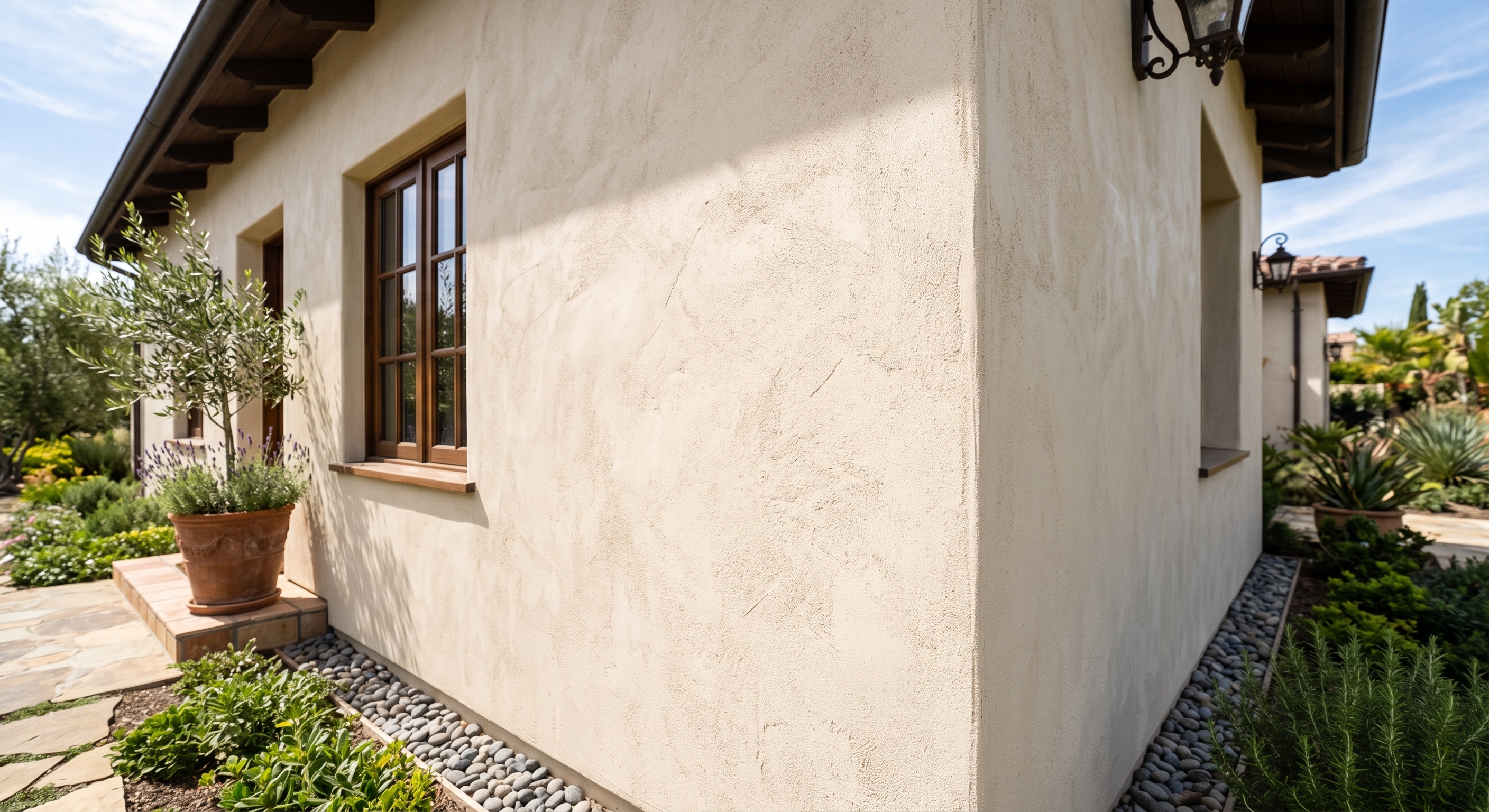
Stucco is a historically popular exterior building material throughout Montgomery, Bucks, and Chester Counties. While it offers a distinct aesthetic, many homeowners in Southeastern Pennsylvania face severe long-term issues with trapped moisture, structural rot, and premature stucco failure.
When evaluating stucco vs. siding, modern manufacturing and installation standards have shifted the decision heavily toward siding. While both cladding options have unique characteristics, replacing damaged stucco with insulated vinyl siding or James Hardie® fiber cement siding is almost always more cost-effective and reliable than attempting continuous stucco repairs.
Seeing cracks, water stains, or crumbling stucco? Don't wait for hidden structural damage to compromise your home. Contact Volpe Enterprises today for a free stucco remediation and siding evaluation!
What is Stucco?

Stucco is a traditional masonry finish made from a mixture of Portland cement, sand, water, and lime. In some modern "one-coat" applications, acrylic binders or fiberglass fibers are added to strengthen the mixture.
Applied manually over a metal lath or wire mesh coating, traditional hard-coat stucco dries into a heavy, textured shell. While common on Spanish, Southwestern, and Mediterranean-style homes, stucco became widely popular in suburban Southeastern Pennsylvania residential developments built during the 1990s and 2000s.
Advantages of Stucco
- Natural Fire Resistance: Because it is composed of cement and sand, stucco is inherently non-combustible.
- Architectural Flexibility: As a wet-applied plaster, skilled artisans can create custom textures, sweeps, and artistic patterns.
- Acoustic Dampening: Dense masonry mass helps absorb exterior neighborhood noise.
Disadvantages of Stucco
- Susceptibility to Water Damage & Failure: In wet, freeze-thaw climates like Pennsylvania, water penetrates hairline stucco cracks, becoming trapped behind the wall assembly and rotting underlying wood sheathing and wall studs.
- High Installation & Repair Costs: Stucco application requires a multi-stage process (scratch coat, brown coat, and finish coat) that must dry completely between steps. Finding qualified, artisan-level stucco applicators is difficult and expensive.
- Low Buyer Preference: Due to widespread stucco failure awareness in Bucks, Chester, and Montgomery Counties, homes with older stucco often struggle on the real estate market or require mandatory moisture inspections during resale.
Is Stucco Expensive?
Stucco is not for the cost-conscious. It's an expensive, time-consuming process. It's manually applied, often in several coats. Unlike siding, which is manufactured at a factory and then brought to the job site, stucco must be mixed on-site and applied over a wire mesh coating. The application needs to dry between coats. There are normally 3 coats - a scratch coat, brown coat, and finish coat.
While any type of exterior cladding on your home is a significant investment, siding is a much more cost-effective option. Despite the increased cost of stucco, there's a good chance you may not get a premium for your home when you sell it. Many homeowners view stucco as a headache, since it requires frequent maintenance.
What Is Modern Exterior Siding?
Exterior siding consists of engineered panels or planks attached to your home in interlocking, weatherproof strips. Available in insulated vinyl, James Hardie® fiber cement, wood, and composite materials, modern siding is installed over a comprehensive weather-resistive barrier (WRB) to guarantee proper drainage.
Advantages of Exterior Siding
- Superior Moisture Control: Modern siding systems feature integrated rainscreens, flashing details, and drainage gaps that allow moisture to escape safely, preventing home rot.
- Low Maintenance: Options like insulated vinyl siding and fiber cement never require messy plaster repairs, holding their color and texture for decades with simple periodic cleaning.
- High Energy Efficiency: Insulated siding adds a continuous layer of EPS foam insulation around your home's exterior studs, dramatically lowering winter heating and summer cooling utility bills.
- Cost-Effective ROI: Siding is precision-manufactured off-site and installed efficiently, offering a far better return on investment and lower total cost of ownership than stucco.
Stucco vs. Wood Siding: A Classic Aesthetic Comparison
For homeowners seeking a traditional or historic look, the decision often comes down to stucco vs. real wood siding (such as cedar lap siding or shingle shakes). While both materials offer authentic organic character, they behave very differently in Pennsylvania’s climate:
- Maintenance Requirements: Real wood siding requires painting or staining every 3 to 5 years to prevent cracking, splitting, and rot. Stucco doesn't require frequent painting, but it requires regular sealing and monitoring to prevent moisture from seeping into hairline cracks.
- Insect & Pest Resistance: Stucco is a masonry product that naturally resists termites, carpenter ants, and woodpeckers. Wood siding—especially if unsealed or damp—can attract boring insects and birds.
- Moisture Management: Both materials are vulnerable to water damage if installed improperly. However, while wood siding expands and contracts to let trapped moisture breathe out, stucco acts like a dense sponge—trapping water against your house wrap and causing silent, severe structural decay.
- The Modern Alternative: If you love the natural look of wood or the clean lines of stucco, James Hardie® fiber cement siding bridges the gap. It provides the rich texture of real wood or smooth plaster with superior moisture resistance, fire protection, and pest immunity.
Stucco vs. James Hardie® Fiber Cement Board
If you love the rich, thick, premium appearance of masonry or wood but want to eliminate the risk of stucco failure, James Hardie® fiber cement siding is the ultimate solution.
engineered specifically to withstand wet, freeze-thaw North American climates, James Hardie fiber cement offers:
- Unmatched Weather & Fire Resistance: Non-combustible planks that will not warp, swell, rot, or crack when exposed to rain or freezing ice.
- Pest Immunity: Impervious to woodpeckers, carpenter ants, and termites.
- Authentic Aesthetics: Available in smooth, wood-grain, and vertical panels that deliver classic architectural lines without ongoing masonry maintenance.
Learn more about James Hardie fiber cement siding options.
Is It Time for Stucco Remediation?
Stucco issues rarely fix themselves. Left unaddressed, minor surface cracks allow water to destroy structural framing inside your exterior walls. Ask yourself these four questions:
- Is your stucco exterior over 15 to 20 years old?
- Do you notice dark water streaks, bubbling paint, or visible cracks along your walls?
- Have you experienced mysterious interior water stains or drywall soft spots near windows?
- Would you prefer a modern, high-efficiency, zero-maintenance home exterior?
If you answered YES to any of these questions, it is time to evaluate your home for professional stucco remediation.
Frequently Asked Questions (FAQ)
What is the difference between stucco repair and stucco remediation?
Stucco repair simply patches surface-level cracks or applies a topcoat over visible damage, often leaving underlying rot hidden inside the wall. Stucco remediation involves stripping away failing stucco completely, repairing rotted structural framing, installing a modern weather-barrier drainage system, and replacing the exterior with high-performance siding.
Why is stucco failing so frequently in Pennsylvania?
Many stucco homes built throughout Southeastern PA lacked proper drainage planes, kick-out flashing, or weep screeds. Combined with Pennsylvania's heavy rain and freeze-thaw cycles, trapped water cannot evaporate, leading to rapid rot behind the stucco.
Is vinyl or fiber cement siding cheaper than replacing stucco?
Yes. Full stucco removal and replacement with insulated vinyl or fiber cement siding is significantly more cost-effective than re-applying traditional multi-coat stucco—and it permanently removes future stucco leak risks.
Partner with Southeastern PA’s Stucco Remediation Experts
Don't let failing stucco damage your home's value and safety. Based in North Wales, PA, Volpe Enterprises, Inc. has delivered trusted siding installation, stucco remediation, roofing, and window replacement across Bucks, Chester, and Montgomery Counties since 1970.
Contact our team today to schedule your free, no-obligation home exterior evaluation!
If you answered “yes” to any of these… it’s time to talk siding.
Are you choosing between siding and stucco for your home? We can help! Based in North Wales, PA, Volpe Enterprises specializes in stucco remediation and siding installation throughout Bucks, Chester, and Montgomery County, PA. Let us come out and give you a free evaluation to see if it makes sense to replace your home's stucco with new, energy-efficient siding.