

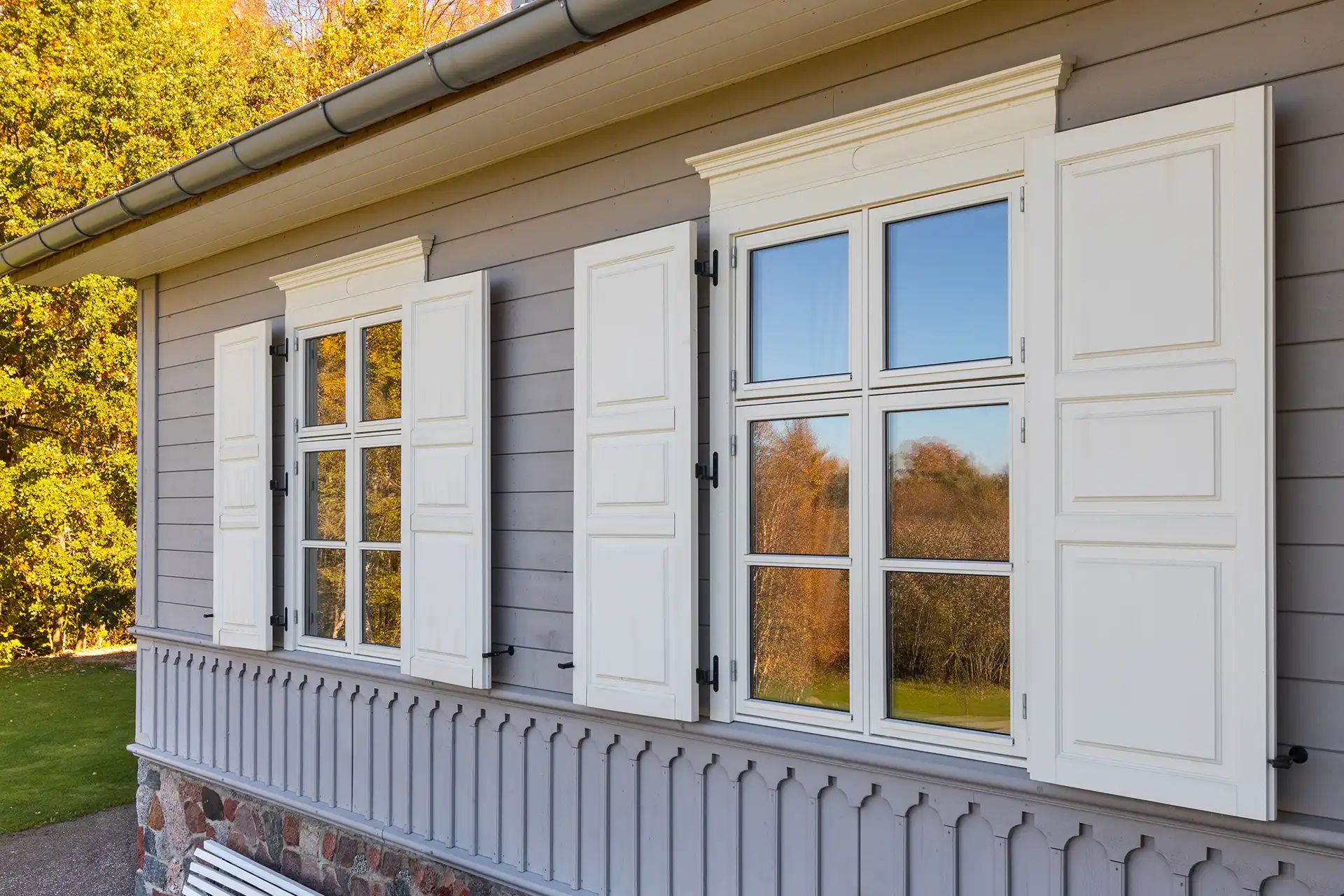

Window Replacement in Penn Wynne, PA
Replacing the windows in your home is about more than installing new glass and frames. The right windows can make rooms more comfortable, improve ventilation, reduce drafts, simplify maintenance, and refresh the appearance of your home from inside and out. Just as important, professional installation helps ensure those windows perform as intended over time.
At Volpe Enterprises, Inc., we help homeowners make window replacement decisions based on the home itself, the condition of the existing windows, design preferences, comfort goals, maintenance expectations, and budget. Our company has served homeowners in Southeastern Pennsylvania since 1970, giving us decades of experience with the types of established homes found throughout communities such as Penn Wynne.
Penn Wynne includes many homes built during important periods of twentieth century residential development, along with a range of traditional architectural styles and exterior materials. For homeowners considering new windows, that can make appearance and proper installation just as important as energy performance.
Our window replacement services include access to established manufacturers and a range of window styles, materials, and configurations. Rather than assuming one window is right for every property, we help homeowners evaluate the options and choose a solution that makes sense for their house and priorities.
Replacement Windows Designed Around Your Penn Wynne Home
A replacement window should not feel like an unrelated component added to the side of a house. It should complement the architecture, fit the existing opening correctly, function smoothly, and provide the level of performance the homeowner expects.
That is especially important in Penn Wynne, where established residential streets include homes with traditional proportions, brick and stone exteriors, and architectural details that homeowners may want to preserve.
Window replacement provides an opportunity to update performance without unnecessarily changing what gives a home its character.
Updating Older Windows Without Losing the Character of the Home
Older windows can be charming, but age can eventually bring problems that affect everyday comfort and usability. Wood components can deteriorate, seals can fail, hardware can wear out, and older window assemblies may become difficult to operate.
Replacing those windows does not mean every home should suddenly look modern.
A thoughtful replacement project considers how the new windows relate to features such as:
- Existing window proportions
- Exterior masonry, siding, and trim
- Grille patterns
- Interior and exterior frame colors
- Sight lines
- Window style
- Hardware
- Architectural character
For example, a traditional double hung window may be appropriate in one home, while casement, picture, bay, or bow windows may suit another area of the property better.
The goal is to improve the window while maintaining a visual relationship with the rest of the house.
Comfort, Appearance, and Performance All Matter
Energy performance is important, but it is only one reason homeowners decide to replace windows.
A window affects how a room feels and functions every day. Homeowners may notice that certain rooms feel uncomfortable during cold weather, that windows resist opening, or that outside noise has become more noticeable.
Replacement windows may help address concerns such as:
- Drafts near windows
- Difficult opening and closing
- Condensation or fogging between glass panes
- Deteriorated frames
- Worn hardware
- Excessive exterior maintenance
- Uncomfortable temperatures near window openings
- Limited ventilation
- Aging appearance
- Noise from surrounding streets
The right solution depends on what is causing the problem. Some issues may be repairable, while others may point toward replacement.
How Do You Know When Your Windows Need to Be Replaced?
Windows may be ready for replacement when age, damage, repeated maintenance needs, poor operation, or declining performance begin affecting how the home feels or functions. One isolated problem does not automatically mean every window needs to be replaced, but several recurring symptoms can indicate that replacement is worth considering.
A professional evaluation can help determine whether the issue is limited to one component or reflects a larger problem with the window assembly.
Common Signs It May Be Time for Replacement Windows
Homeowners often begin thinking about replacement after noticing one or more of the following conditions:
- Windows feel drafty. Air movement around a closed window may indicate worn weatherstripping, deteriorated components, installation issues, or age related performance problems.
- Windows are difficult to open or close. Sticking, binding, damaged balances, worn hardware, and frame movement can make a window frustrating or unsafe to operate.
- Glass appears foggy between the panes. Moisture between panes of insulated glass can indicate seal failure.
- Frames show visible deterioration. Rot, cracking, soft wood, water damage, or other physical deterioration may affect more than appearance.
- Windows no longer lock securely. Worn or damaged hardware can affect both convenience and security.
- Maintenance has become excessive. Repeated scraping, painting, repairing, or sealing may eventually make replacement more practical.
- Rooms near windows feel noticeably uncomfortable. A combination of aging glass, air leakage, and other window conditions may contribute to uneven comfort.
- The windows no longer complement the home. Older replacement units, mismatched styles, or aging finishes may detract from the overall exterior.
Repair or Replace?
Not every window problem requires full replacement.
The decision usually depends on the age and condition of the window, the severity of the issue, the availability of replacement parts, and whether a repair is likely to provide a lasting solution.
When a Repair May Be Reasonable
Repair can make sense when a problem is limited and the overall window remains in good condition.
Examples can include:
- Minor hardware problems
- Individual screens that need attention
- Certain weatherstripping issues
- Isolated trim concerns
- A specific component that can be replaced without compromising the rest of the unit
The practical question is whether the repair restores reliable function and performance without creating an ongoing cycle of maintenance.
When Replacement May Be the Better Long Term Option
Replacement may be more appropriate when the entire window assembly is aging, damaged, difficult to operate, or no longer performing as expected.
Homeowners may also choose replacement when they want to improve several things at once, such as appearance, operation, maintenance requirements, ventilation, and comfort.
If numerous windows are experiencing similar age related problems, replacing them can also create a more consistent look and level of performance throughout the home.
Choosing the Right Replacement Windows for Your Home
There is no single replacement window that is best for every Penn Wynne home.
The right choice depends on several factors, including the style of the house, the condition of the existing openings, preferred materials, maintenance expectations, desired performance, window operation, and budget.
A well planned replacement project looks at these variables together rather than evaluating a window by one feature alone.
Window Materials
The frame material influences appearance, maintenance, cost, and performance. Homeowners should consider how each option fits both the house and their long term expectations.
Vinyl Windows
Vinyl replacement windows are popular because they can offer a practical combination of performance and relatively low maintenance.
They may appeal to homeowners who want:
- Minimal painting requirements
- Straightforward maintenance
- A range of common styles
- Energy efficient configurations
- A practical balance between performance and cost
Quality can vary among products, so material alone does not determine how well a window will perform.
Wood Windows
Wood windows can be a strong fit for homeowners who prioritize traditional appearance, interior warmth, or architectural detail.
They may be particularly appealing in homes where preserving a classic look is important.
Wood products can offer distinctive design flexibility, but homeowners should also consider long term maintenance requirements, exterior protection, and finish options.
Composite and Alternative Materials
Composite and other advanced frame materials can provide another option for homeowners seeking a combination of durability, design flexibility, and reduced maintenance.
The appropriate material depends on the product line and the goals of the project.
Instead of starting with a predetermined material, it is often better to begin by asking what the homeowner wants the new windows to accomplish.
Window Styles
Window style affects more than appearance. It also changes how a room ventilates, how the sash operates, how much glass is visible, and how the window relates to the architecture.
Double Hung Windows
Double hung windows are commonly associated with traditional residential architecture and remain a popular replacement option.
They typically feature two operable sashes and can work well where homeowners want a familiar appearance with practical ventilation.
For many established homes, their proportions can also integrate naturally with existing exterior design.
Casement Windows
Casement windows are hinged along one side and open outward.
They can provide broad views and effective ventilation, making them useful in areas where homeowners want easy operation and a different visual profile from a double hung window.
Their suitability depends on the opening, surrounding space, architecture, and homeowner preference.
Picture Windows
Picture windows are fixed rather than operable.
They are often chosen for locations where maximizing natural light or an exterior view is more important than ventilation.
Because they do not open, they may also be combined with operable windows to create larger arrangements.
Bay and Bow Windows
Bay and bow windows project outward from the wall and can become significant architectural features.
They may provide:
- A broader exterior view
- Additional natural light
- Visual depth
- A more prominent exterior design element
- Opportunities for an interior ledge or seating area, depending on the configuration
Replacing a bay or bow window involves additional design and installation considerations because the assembly extends beyond the primary wall plane.
Window Brands Available Through Volpe Enterprises
Volpe Enterprises works with multiple established window manufacturers, including Andersen, Marvin, OKNA, Pella, and ProVia.
Access to several product lines allows homeowners to compare options rather than beginning the project with the assumption that one manufacturer's system is right for every house.
Different manufacturers may offer distinct approaches to materials, frame profiles, colors, glass packages, hardware, grille patterns, operating styles, and price points.
The right choice depends on what matters most for the individual project.
Why Having Multiple Window Brands Matters
A homeowner replacing windows in an established Penn Wynne home may have different priorities from someone replacing windows in newer construction.
One homeowner may prioritize traditional appearance. Another may want minimal maintenance. Someone else may be focused on ease of operation, interior finish options, or a particular frame profile.
Having multiple manufacturers available creates room to evaluate these priorities more carefully.
Product selection may take into account:
- The home's architectural style
- Existing window dimensions and configuration
- Preferred material
- Interior and exterior appearance
- Maintenance expectations
- Glass and performance options
- Desired operating style
- Budget
- Warranty considerations
The goal is not to make the decision more complicated. It is to narrow the available choices to products that actually fit the project.
What Professional Window Installation Involves
Even a well made replacement window depends on proper installation.
Correct measurements, careful removal of the existing unit, appropriate sealing, attention to surrounding materials, and proper finishing all contribute to how the completed window functions.
Although each project can differ, a professional replacement process generally follows several important stages.
Consultation and Window Evaluation
The first step is understanding the existing windows and what the homeowner wants to change.
That includes looking at factors such as:
- Current window condition
- Operation
- Exterior materials
- Interior trim
- Style
- Comfort concerns
- Maintenance concerns
- Design preferences
This is also the time to determine whether homeowners are replacing individual problem windows, several windows in one area, or windows throughout the home.
Measurements and Product Selection
Replacement windows must be sized accurately for the existing openings.
Measurements help determine which products and installation methods are appropriate.
Once the openings are evaluated, homeowners can compare materials, styles, manufacturers, colors, glass packages, hardware, and other available options.
This stage should balance appearance with practical requirements.
Removing the Existing Window
Removal should be handled carefully to minimize unnecessary disturbance to surrounding finishes and materials.
The exact process depends on the existing window construction and the type of replacement being installed.
Some projects are relatively straightforward. Others may reveal deterioration or conditions that require additional attention once the old window is removed.
That is one reason an experienced installer should evaluate each opening instead of treating every project as identical.
Installing, Sealing, and Finishing the New Window
The replacement unit must be positioned correctly so it operates as designed.
The installer also needs to address sealing and the surrounding opening to help manage air and water.
Finishing work may involve interior or exterior trim depending on the project.
This phase is especially important because the long term performance of a window depends on both the product and the quality of installation.
Cleanup and Final Review
Professional window replacement should include removal of job related debris and a final review of the completed work.
The new windows should be checked for operation, locking, fit, and finishing details.
Homeowners should also understand how to use and maintain the product before the project is considered complete.
Benefits of Replacing Aging Windows
Homeowners often begin a window project because of one obvious problem, then discover that replacement can affect several parts of daily life.
The exact results depend on the product, installation, existing conditions, and home, but new windows may provide a combination of comfort, usability, appearance, and maintenance benefits.
More Comfortable Rooms
Drafts and uncomfortable areas near older windows are common reasons homeowners investigate replacement.
Modern replacement windows can help reduce unwanted air movement when they are appropriately selected and professionally installed.
That can contribute to more consistent comfort near exterior walls and window openings.
The effect will vary depending on the house, insulation, HVAC system, air sealing, and other building conditions, so windows should be viewed as one part of overall home performance.
Easier Operation and Ventilation
A window should not require a struggle every time you want fresh air.
Aging hardware, swollen frames, worn balances, or years of paint and movement can make older windows difficult to operate.
New windows can provide smoother opening, closing, and locking when properly installed.
Ease of operation matters because windows are functional parts of the home, not simply architectural features.
Lower Maintenance
Maintenance requirements vary by window material and finish.
Many homeowners choose replacement products partly because they want to reduce recurring scraping, painting, caulking, or other upkeep associated with aging units.
Low maintenance does not mean no maintenance. Windows still require normal cleaning, inspection, and care, but newer materials may simplify routine ownership.
Reduced Outside Noise
Certain replacement window configurations can help reduce the amount of exterior noise that reaches the interior.
Glass composition, number of panes, airspace, frame construction, installation quality, and the existing wall assembly can all influence sound transmission.
For homes near active streets or other sources of exterior noise, this may be an important consideration.
Replacement windows should not be presented as making a home completely soundproof, but the right configuration may improve interior quiet.
Updated Curb Appeal
Windows contribute significantly to the appearance of a house.
Frame colors, grille patterns, sash proportions, window style, trim, and glass area all influence exterior design.
For an established Penn Wynne home, a successful replacement project should enhance the house rather than make the new windows feel visually disconnected from it.
That can mean selecting products that maintain traditional proportions while providing modern function.
Improved Energy Performance
Modern replacement windows can include features designed to improve thermal performance compared with older, inefficient units.
Depending on the manufacturer and product, those features may include insulated glass, low emissivity coatings, improved weatherstripping, and better frame construction.
Actual energy performance depends on the complete window specification, installation, orientation, house construction, and other factors.
For that reason, responsible window replacement guidance should focus on selecting an appropriate product rather than promising a specific reduction in energy bills.
Do You Need to Replace Every Window at Once?
No. Homeowners do not always need to replace every window at the same time.
The right approach depends on the condition of the existing windows, the scope of the problems, budget, design consistency, and project priorities.
Some homeowners choose a whole house project, while others replace windows in planned stages.
When Whole House Replacement Makes Sense
Replacing windows throughout the home may make sense when many of them are similar in age and condition or when homeowners want consistent appearance and performance.
A larger project can also help create uniformity in:
- Frame profiles
- Colors
- Grille patterns
- Hardware
- Glass appearance
- Operation
- Maintenance requirements
Whole house replacement may also be practical when numerous windows are experiencing the same age related problems.
When Replacing Windows in Phases May Make Sense
Phased replacement can be useful when only certain windows are causing problems or when homeowners want to spread improvements across multiple projects.
A practical way to prioritize windows is to consider:
- Visible damage
- Water related deterioration
- Failed insulated glass
- Drafts
- Poor operation
- Security or locking problems
- Room comfort
- Exposure to weather
- Appearance
- Budget
If replacements are completed in stages, product availability and visual consistency should be considered so the finished windows work well together.
Why Penn Wynne Homeowners Choose Volpe Enterprises
Window replacement is a significant home improvement decision, and choosing an installer involves more than comparing product brochures.
Homeowners should consider who will help evaluate the project, who will install the windows, what products are available, how workmanship is supported, and whether the company has a track record of remaining accountable after the installation is complete.
Serving Homeowners Since 1970
Volpe Enterprises was founded in 1970 and has grown from its early roofing roots into a broader home remodeling company serving Southeastern Pennsylvania.
That history matters because remodeling experience develops over time.
Products change. Installation practices evolve. Building materials change. Homeowners' expectations change.
An established company must continue learning while maintaining the craftsmanship and accountability that allowed it to remain in business through multiple generations.
A Second Generation Family Operated Company
Volpe Enterprises is a second generation family operated business.
Our approach is grounded in long term relationships and the values that have shaped the company for decades, including quality, honesty, integrity, stewardship, and trust.
Those values are especially important in home improvement because homeowners are trusting a contractor to work on one of their most important investments.
Multiple Window Manufacturers
We work with Andersen, Marvin, OKNA, Pella, and ProVia window products.
That variety helps us approach product selection from the perspective of the homeowner and the house.
Different projects call for different combinations of appearance, materials, performance features, maintenance requirements, and price.
Our goal is to help narrow those options to solutions that make practical sense.
Professional Installation and Workmanship Protection
Product quality is only part of a successful window project.
Measurement, installation, sealing, finishing, and project oversight matter because they affect how the window functions once it is part of the home.
Volpe's work is supported by workmanship warranty protection in addition to applicable manufacturer warranty coverage.
That gives homeowners another layer of accountability beyond the product itself.
Broader Exterior Remodeling Experience
Volpe's services extend beyond windows to other areas of exterior home improvement.
That broader experience provides useful perspective because windows interact with surrounding siding, trim, exterior finishes, weather management, and other parts of the building envelope.
For homeowners, that can be particularly valuable when a window project involves more than simply removing one unit and placing another in the opening.
Questions Penn Wynne Homeowners Often Ask About Replacement Windows
An individual replacement window can often be installed within approximately one to three hours, while larger or more complex projects may require a full day or longer.Actual timing depends on the number of windows, their size and style, accessibility, the condition of the openings, and whether unexpected repairs or additional work are needed.The most reliable timeline comes after the project has been evaluated.
Replacement windows can help reduce drafts when unwanted air movement is related to aging windows, worn seals, deteriorated components, or poor window performance.Proper installation is essential because even a quality window must be correctly fitted and sealed.Other conditions in the house can also contribute to drafts, so window replacement should not automatically be treated as the solution to every air leakage problem.
There is no universal best material.Vinyl may appeal to homeowners who want low maintenance and practical value. Wood may be preferred for traditional appearance. Composite and fiberglass options may suit homeowners interested in durability and lower maintenance. Aluminum can be appropriate in certain applications where strength and slim profiles are priorities.The best choice depends on the specific home and project goals.
There is no single material or style that is best for every older home.The best choice depends on the existing architecture, dimensions, frame condition, exterior materials, maintenance preferences, desired performance, budget, and homeowner priorities.For established homes in Penn Wynne, visual compatibility may be especially important.Frame proportions, grille patterns, colors, materials, and operation should all be considered along with energy performance.
No. Windows can often be replaced in phases.Homeowners may choose to prioritize windows that are damaged, difficult to operate, visibly deteriorated, drafty, or uncomfortable.Replacing all windows at once may make sense when the units are similar in age and condition or when maintaining consistent appearance throughout the house is a priority.
They may.Window configuration, glass construction, frame design, installation quality, and the wall assembly all influence how much outside sound enters the home.Certain replacement window options may improve noise reduction compared with older units, but no standard residential replacement window should be assumed to make a room completely soundproof.
Modern replacement windows can improve window level thermal performance when compared with older or poorly performing units.Features such as insulated glass, low emissivity coatings, improved weatherstripping, and modern frame construction can all contribute.Overall household energy use depends on many systems, including insulation, air sealing, heating and cooling equipment, and occupant behavior, so specific utility savings should not be guaranteed.
Preparation requirements vary by project, but homeowners can usually make installation easier by clearing access to the interior side of each window.That may include moving furniture, removing fragile items, taking down certain window treatments, and creating clear pathways for the installation team.The project team can provide specific instructions before work begins so homeowners know what needs to be moved and what can remain in place.
Volpe Enterprises works with replacement window products from Andersen, Marvin, OKNA, Pella, and ProVia.Available options can vary by project, so homeowners should discuss specific materials, styles, colors, glass packages, and performance priorities during the consultation process.
Volpe Enterprises serves homeowners throughout its Southeastern Pennsylvania service area, including communities in Montgomery County and the surrounding region.Penn Wynne homeowners can contact our team to discuss their address, project scope, and replacement window needs so service availability can be confirmed for the property.