
Storm Damage Repair in Montgomery, Chester and Bucks Counties
Hail, wind and heavy rain can damage your roof, siding, gutters and windows in minutes. Volpe Enterprises, Inc. repairs storm damage and helps you through the insurance claim from first look to final repair.
Where to Turn for Storm Damage Repair
Even a small storm can cause serious damage. If wind, hail or heavy rain has hit your home, the storm repair team at Volpe Enterprises, Inc. is ready to help. We check your roof, siding, gutters and windows for every sign of damage, then give you a free estimate for the repairs your home needs.
If we find damage that may qualify for an insurance claim, we will document it, walk you through the claims process and meet with your adjuster to point out what needs repair.
Homeowners have trusted Volpe Enterprises, Inc. since 1970. With offices in North Wales, Norristown and Malvern, we serve homeowners throughout Southeastern Pennsylvania, including Montgomery, Chester and Bucks counties. We provide 24/7 emergency storm damage response in Southeastern Pennsylvania, New Jersey, and Delaware.
Storm Damage We Repair
Roof Storm Damage
Missing, lifted or creased shingles, hail bruising and granule loss, damaged flashing, ridge caps and roof vents, and leaks that show up after heavy rain.
Siding Storm Damage
Missing, lifted or creased shingles, hail bruising and granule loss, damaged flashing, ridge caps and roof vents, and leaks that show up after heavy rain.
Gutter & Downspout Damage
Missing, lifted or creased shingles, hail bruising and granule loss, damaged flashing, ridge caps and roof vents, and leaks that show up after heavy rain.
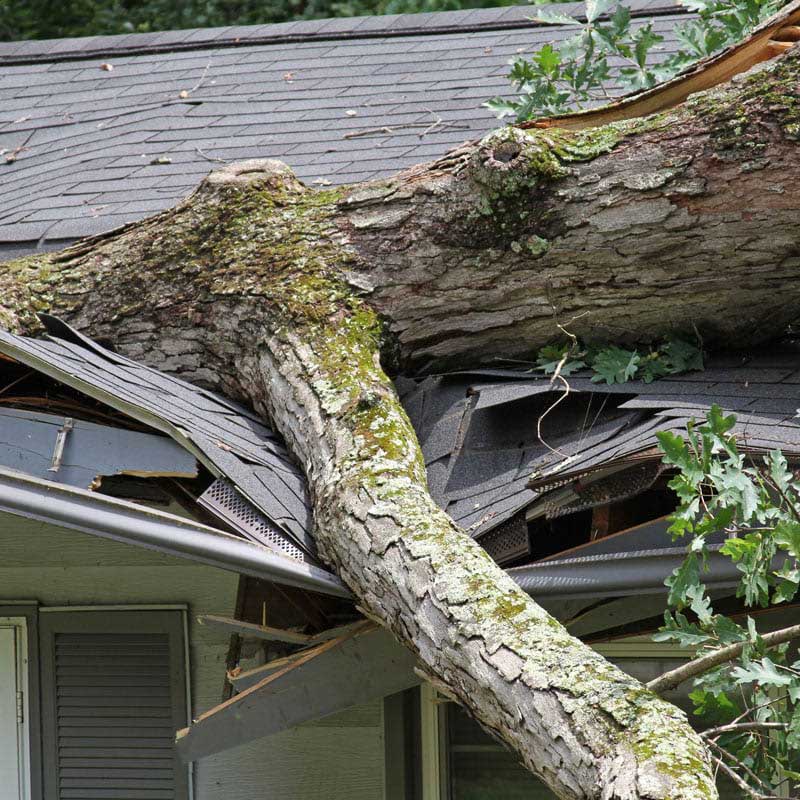
Damage from Fallen Limbs
Missing, lifted or creased shingles, hail bruising and granule loss, damaged flashing, ridge caps and roof vents, and leaks that show up after heavy rain.
Our Storm Damage Repair and Insurance Claim Process
Volpe Enterprises, Inc., is well-versed in handling various types of storm damage repair, including roof leaks, broken windows, fallen trees, and structural issues. We understand the urgency of storm recovery and work diligently to minimize further damage and secure your property. Here’s what you can expect from the process:
- Free Storm Damage Estimate - We look over your roof, siding, and windows, photograph the damage and give you a free estimate. If the damage warrants a claim, we help you contact your insurance company to get started.
- Adjustor Appointment – Share your adjuster's contact information with us, or ask your adjuster to call us directly. We will meet them at your home, show them the damage and explain what needs repair.
- Insurance Paperwork Review – Before you sign anything from your insurance company, send it to us. We will check that the scope of work includes all of the damage we documented.
- Work Completed! – We complete the repairs or replacements, then let your adjuster know the work is finished.
If you suspect storm damage, don’t wait to schedule your free inspection! The sooner we repair the damage, the less likely it is to spread. With locations in North Wales, Norristown, and Malvern, PA, we are strategically located to serve Southeastern Pennsylvania, New Jersey, and Delaware.
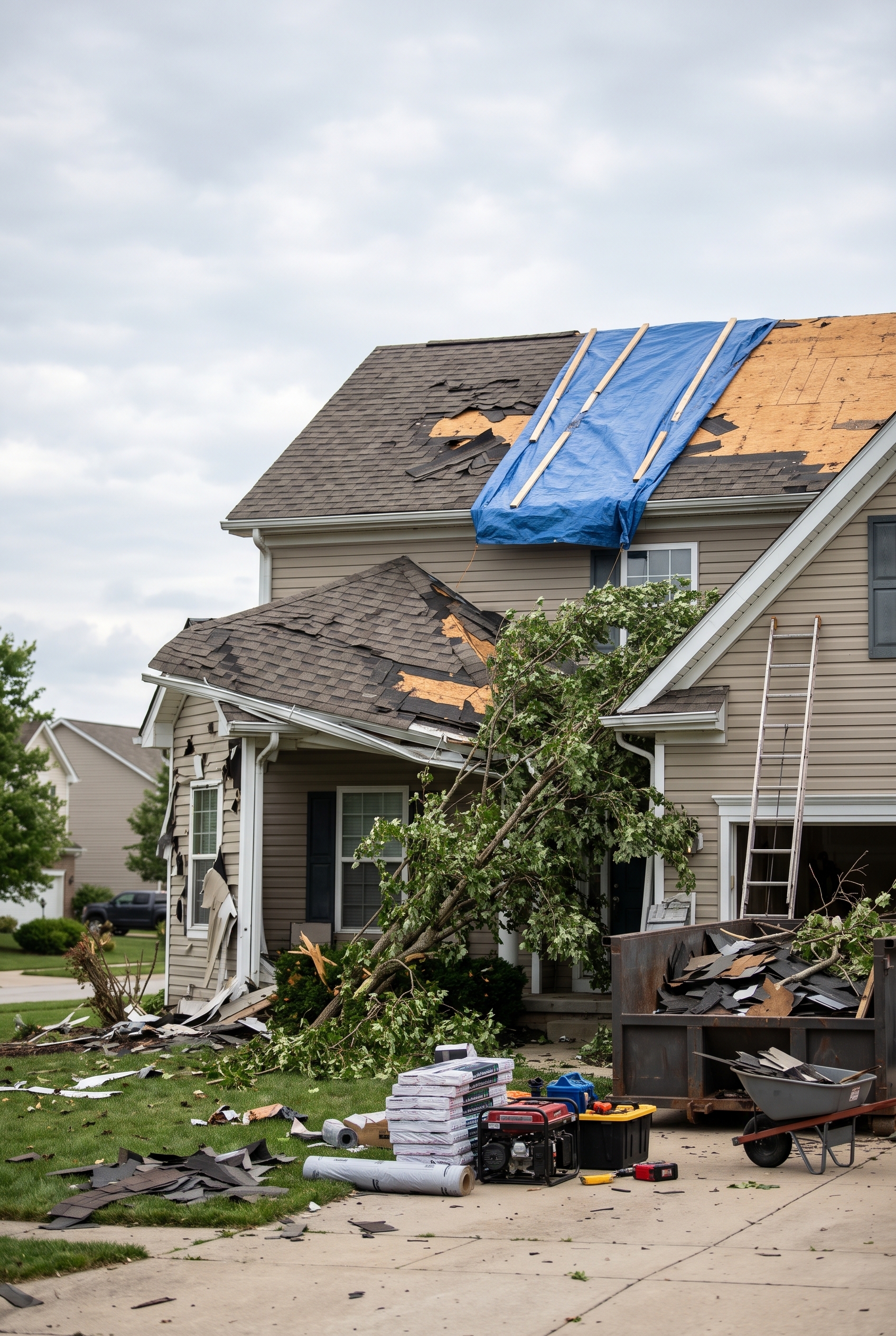
Don't Wait to Repair Storm Damage
Storm damage that goes unrepaired lets water into your home, where it can rot decking, stain ceilings and lead to bigger repair bills. The sooner we find and fix it, the less it can spread. Schedule your Free Roof Estimate today or call (610) 539-6730.
Storm Damage Repair
Frequently Asked Questions
Start with safety, then limit further damage. Stay off the roof, keep away from downed wires and catch any leaks inside with buckets or tarps. Take photos of the damage you can see, then schedule a storm damage estimate so you know the full extent before you contact your insurance company.
Repairing roof leaks starts with containing the source of the water if possible.
Usually, this is done by placing a bucket or pot in your attic to capture the water as it falls through the roof.
And if you want a Free Estimate and Inspection, you can always give Volpe Enterprises a call. As one of the top roofing companies in the area, we’ve been in business for over 50 years.
Act Quickly to Contain the Leak
We’re Here If You Need Us
Not containing the water may prove costly. Allowing water to get into your home can result in damaged ceilings and unsightly water stains. If there are heavy rains, repairing the water damage inside your house can be more expensive than a roof repair or roof replacement. When you’re looking for leaks, remember that the source of a leak isn’t always where the water enters your roof.
Whether it’s a big leak or small leak, we’ll be able to identify the source and cause of your roof leak.
Call us for a full roof inspection.
Here are some common signs of hail damage on a roof:
1. Dents or cracks: Hailstones can cause visible dents or cracks on asphalt or composite shingles. The damage may appear as small, black depressions or punctures on the surface of the shingles.
2. Missing granules: Hail impact can dislodge granules from asphalt shingles, leaving bare spots or exposing the underlying material. You might notice areas where the shingle surface looks smoother or has a different color due to missing granules.
3. Split or fractured shingles: Intense hailstorms can cause shingles to split or break along the grain lines. This can result in shingles with visible gaps or sections that appear lifted or separated from the roof.
4. Soft spots or bruising: In some cases, especially with wood or composite shingles, hail can cause soft spots or bruising on the roof surface. These areas may feel spongy or yield under slight pressure.
5. Cracked or broken tiles: For roofs with clay or concrete tiles, hail impact can cause cracks or fractures in the tiles. The damage may be evident through visible cracks or even missing sections of the tiles.
6. Damaged flashing: Hailstorms can also affect the flashing, which is the metal material used to seal joints and prevent water penetration around chimneys, vents, and other roof protrusions. Hail can cause dents, bends, or tears in the flashing, compromising its effectiveness.
It’s worth noting that hail damage may not always be immediately apparent from ground level. If you suspect hail damage after a storm, we recommend a thorough inspection to assess the extent of the damage and determine if any repairs or replacements are necessary.
Missing or loose shingles may be the biggest sign that you have wind damage on your roof, but there are some other areas that can be affected. Here are some common signs of wind damage on a roof:
1. Missing or loose shingles: Strong winds can lift and remove shingles from the roof surface. This results in visible gaps or exposed areas where the shingles are missing. Shingles may also become loose and start to flap or curl up at the edges.
2. Damaged or displaced flashing: Wind can dislodge or damage the metal or rubber flashing around chimneys, vents, skylights, and other roof penetrations.
3. Lifted or cracked ridge caps: The ridge caps, which are the peaked sections along the ridges of the roof, can be susceptible to wind uplift. If the wind is strong enough, it can cause the ridge caps to lift or crack.
4. Bent or broken gutters and downspouts: Wind gusts can put strain on gutters and downspouts, causing them to bend, crack, or become detached from the roofline.
5. Damage to roof vents: Roof vents, such as turbine vents or static vents, can be damaged by strong winds. They may become dislodged, broken, or have their covers blown off.
6. Leaks and water stains: Wind damage may not always be immediately visible. Over time, water can infiltrate through compromised areas and cause leaks or create water stains on the ceilings or walls inside the building.
If you suspect wind damage to your roof, it’s essential to have it inspected to assess the extent of the damage. Prompt attention to wind damage can help prevent further deterioration and protect the structural integrity of your roof.
Storm damaged siding usually has cracks, holes, dents or loose panels. Vinyl siding can crack or chip from hail, aluminum siding dents, and strong wind can pull panels loose or off entirely. Water stains on interior walls can mean water is getting in behind damaged siding.
Many homeowners policies cover sudden damage from wind and hail, but coverage, deductibles and exclusions vary by policy. Some policies carry a separate wind or hail deductible. Review your policy or call your agent, and we will document the damage to support your claim.
As soon as possible. Most policies require prompt notice of damage, and filing deadlines vary by insurer. Waiting also gives the damage time to spread, which can make the claim and the repairs harder.
Many homeowners call a contractor first. A storm damage estimate tells you how much damage there is and whether it is likely worth a claim before you file. If it is, we help you contact your insurance company and take it from there.
Inspiration Gallery