

What Is a Composition Roof? (Types, Costs, & Lifespan)
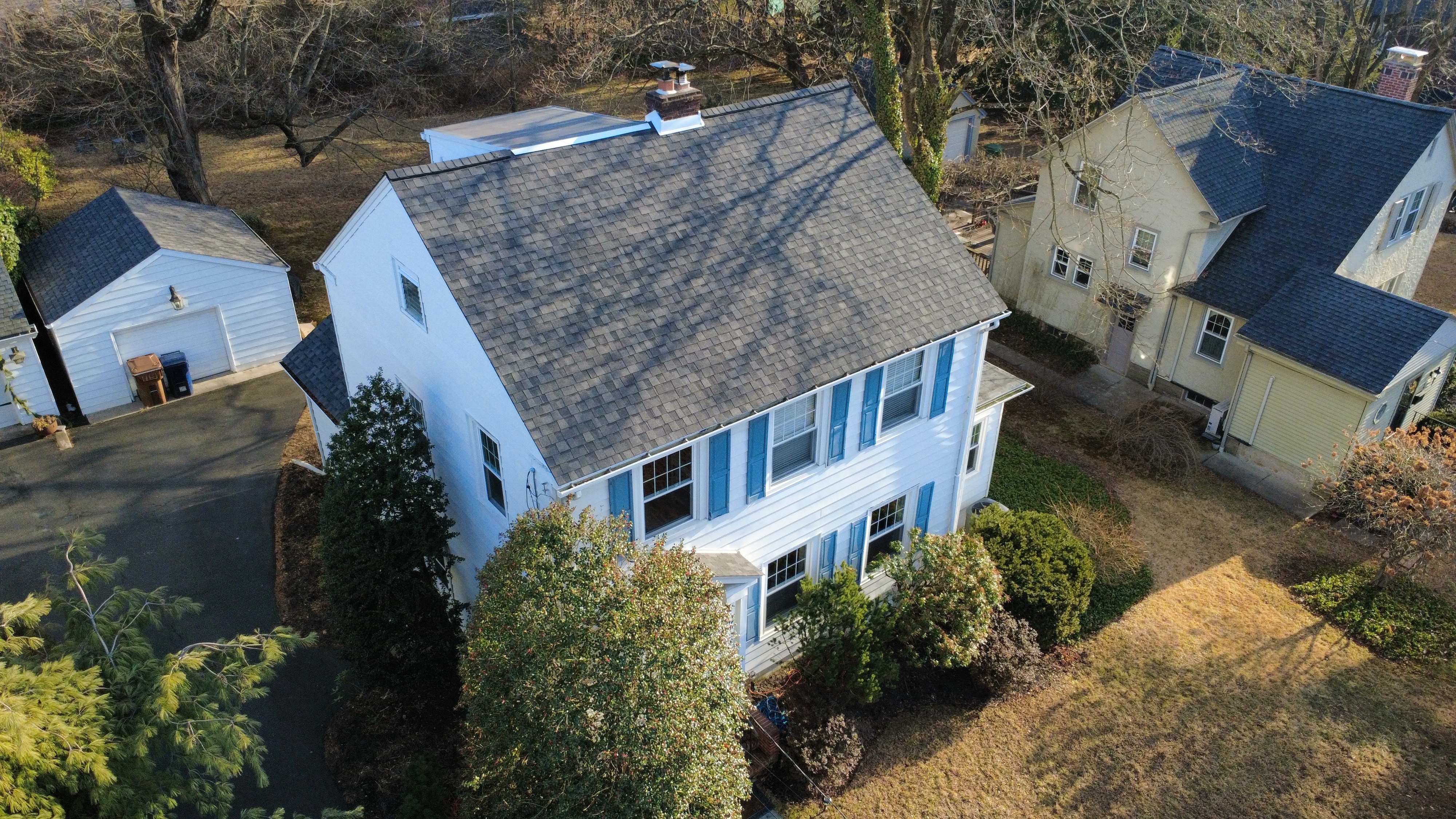
If you live in Southeastern Pennsylvania, there is a very strong chance your home features a composition roof.
A composition roof (commonly called an asphalt shingle roof) is a roofing system made from shingles composed of multiple materials—typically a fiberglass mat base, an asphalt coating for weatherproofing, and mineral granules on top for UV protection and color.
Quick Answer for Homeowners: "Composition roof" is simply the industry term for standard asphalt shingles. They are called "composite" or "composition" because they combine several layers of materials into a single, durable roofing product.
What is a Composition Roof?
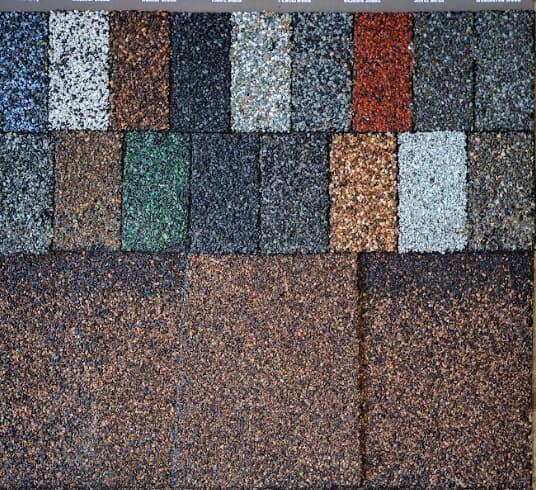
Composition roofing consists of asphalt shingles made from a blend of fiberglass or organic materials, like the ones used in organic shingles. These shingles are coated with asphalt and granules, providing protection against the elements while enhancing the roof's visual appeal. With various styles, colors, and textures available, homeowners can customize their roofs to complement their architectural preferences and enhance curb appeal.
Composition roofing manufacturers are increasingly focusing on sustainability by incorporating recycled materials, improving energy efficiency, and offering recyclable options at the end of the roof's life cycle. Additionally, cool roof technology reflects solar heat, reducing energy consumption and mitigating urban heat island effects.
Composition Roof vs. Synthetic Composite Roof: What's the Difference?
A common point of confusion for homeowners is the difference between a composition roof and a synthetic composite roof:
- Composition Roofs (Asphalt): Made from fiberglass, asphalt, and mineral granules. These are the most common, cost-effective residential roofing option in America.
- Synthetic Composite Roofs: Engineered from recycled polymers, plastics, or rubber, designed to imitate real slate tiles or cedar shakes. These are premium roofing options with a significantly higher price point.
The Main Types of Composition Shingles
Composition shingles fall into three main categories based on design, weight, and lifespan:
1. Architectural Shingles (Dimensional Shingles)
Architectural shingles are the industry standard for modern home roofing. Made with multiple layers of asphalt bonded together, they create a dimensional, textured appearance that mimics natural wood or slate.
- Expected Lifespan: 25 to 30 years
- Wind Resistance: Up to 110–130 mph
- Best For: High durability and maximum curb appeal at a mid-range price point.
2. Luxury Shingles (Premium Composition)
Luxury composition shingles are heavyweight, multi-layered asphalt shingles designed to replicate the look of natural slate or thick cedar shakes.
- Expected Lifespan: 30 to 50 years
- Wind Resistance: Up to 130 mph
- Best For: Historic homes, high-end properties, or areas exposed to severe weather and high winds.
3. Traditional 3-Tab Shingles
3-tab shingles are flat, single-layer asphalt shingles featuring cutouts (tabs) that make them look like three separate pieces.
- Expected Lifespan: 15 to 20 years
- Current Status: 3-tab shingles are largely being phased out across Southeastern PA in favor of architectural shingles due to lower wind resistance and shorter overall life expectancy.
(Note: You may also encounter older "organic asphalt shingles" made with paper or felt backing instead of fiberglass. These have been completely discontinued due to moisture absorption and fire hazard risks.)
Learn about the differences between 3-tab and asphalt shingles.
Benefits of Choosing a Composition Roof
- Cost-Effective Value: Composition shingles offer the lowest upfront installation cost per square foot compared to metal, real slate, or tile roofing.
- All-Weather Protection: Modern fiberglass-asphalt blends withstand ice dams, heavy snow, hail, rain, and high winds common to Pennsylvania winters.
- Versatile Aesthetics: Available in hundreds of color blends, profiles, and textures to complement any architectural style—from classic Colonials to modern farmhouses.
- Algae & UV Resistance: Modern composition shingles feature copper-infused granules that prevent dark streak algae growth (Gloeocapsa magma) and reflect solar heat.
- Simple Repair & Replacement: Individual shingles or roof sections can easily be replaced without tearing off the entire roof structure.
How Long Does a Composition Roof Last?
On average, a professionally installed composition roof lasts 20 to 30 years.
Key factors influencing lifespan include:
- Attic Ventilation: Poor ventilation traps heat and moisture, causing shingles to blister or curl prematurely.
- Underlayment Quality: Synthetic underlayment provides superior water resistance compared to traditional felt paper.
- Local Weather: Hail storms, heavy snow loads, and rapid freeze-thaw cycles in Montgomery and Chester Counties affect long-term wear.
- Installation Standards: Proper nail placement and starter strip installation prevent wind uplift during severe storms.
Composition Roof Installation Process
Installing a high-performing composition roof requires precise steps to protect your home’s envelope:
- Tear-Off & Inspection: Old shingles and underlayment are removed down to the plywood decking. Damaged or rotted decking is replaced.
- Ice & Water Shield Application: A self-adhering waterproof membrane is installed along eaves, valleys, and around chimneys to prevent leaks from ice dams.
- Synthetic Underlayment Installation: A water-resistant barrier is laid across the entire roof surface.
- Drip Edge & Starter Shingles: Corrosion-resistant metal drip edges protect roof margins, while specialized starter shingles secure the first layer against wind lift.
- Shingle Field & Ridge Cap Installation: Composition shingles are nailed according to manufacturer specifications, finished with ridge cap shingles along roof peaks for complete sealing.
Frequently Asked Questions About Composition Roofs
Is a composition roof the same as an asphalt roof?
Yes. "Composition roof" and "asphalt shingle roof" are synonymous terms used interchangeably by roofers, home inspectors, and insurance companies.
How much does a composition roof cost?
The cost of a composition roof depends on roof pitch, square footage, and chosen shingle tier (architectural vs. luxury). Contact a local roofing contractor for a detailed, on-site estimate tailored to your home.
Can you install new composition shingles over existing shingles?
While "roof-overs" are legally permissible in some jurisdictions, full tear-offs are recommended. Installing new shingles over old ones hides structural deck damage, voids manufacturer warranties, and shortens the life of the new roof.
Need a Roofing Inspection or Estimate in Southeastern PA?
Whether you are evaluating storm damage, replacing an aging roof, or exploring shingle styles, Volpe Enterprises, Inc. provides expert composition roof installation across Montgomery, Chester, and Bucks Counties.
Schedule Your Free In-Home Consultation Today or call us at (610) 539-6730.
Composition roofing offers homeowners a winning combination of affordability, durability, and aesthetic versatility. With its wide range of styles, ease of installation, and low maintenance requirements, composition roofing remains a popular choice for residential properties. By understanding its benefits, types, installation process, maintenance tips, and sustainability features, homeowners can make informed decisions to protect and enhance their homes for years to come.