

Vinyl Siding vs. Aluminum Siding: Which Is Best for Your Home?
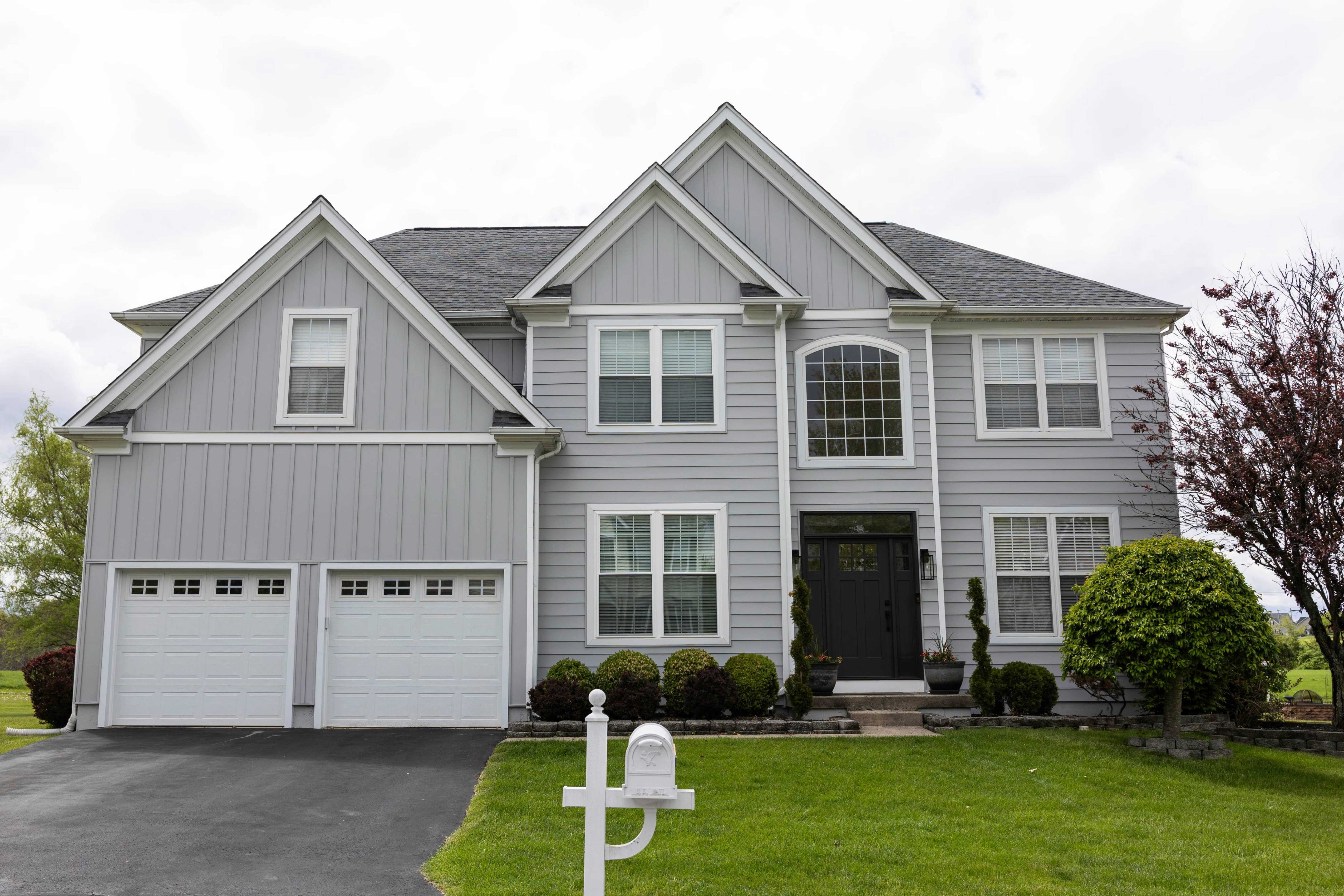
Choosing the right exterior cladding is one of the most critical decisions a homeowner can make. Siding serves as your property's first line of defense against harsh weather while setting the tone for your home's curb appeal and overall market value.
When evaluating vinyl siding vs. aluminum siding, modern building standards and manufacturing advancements have shifted the consensus. Below is an in-depth comparison examining durability, maintenance, insulation performance, total cost of ownership, and overall ROI.
Direct Comparison Summary

Understanding Vinyl Siding
Vinyl siding is crafted from heavy-duty polyvinyl chloride (PVC) resin blended with specialized additives that resist UV radiation, fading, and impact damage. Introduced to the building industry in the 1960s, modern vinyl has evolved into the dominant residential exterior cladding in North America.
Key Benefits of Modern Vinyl Siding
- Solid Core Color: Because the color pigementation is infused entirely through the PVC material rather than painted on the surface, scratches or scuffs do not reveal a different underlying color.
- Architectural Flexibility: Available in traditional horizontal lap, Dutch lap, vertical board and batten, and realistic cedar shake profiles.
- Moisture Impermeability: PVC is naturally hydrophobic, meaning it will not absorb water, rot, decay, or foster mold growth when properly installed with adequate drainage walls.
Understanding Aluminum Siding
Popularized in the post-WWII housing boom of the 1950s, aluminum siding offered a lightweight, fireproof alternative to traditional wood planks. While metal siding represented a major technological step forward at the time, its usage has declined steadily over the past few decades.
Drawbacks of Aluminum Cladding
- Susceptibility to Structural Dents: Aluminum is a soft metal. Strong storm winds, hail, falling tree limbs, or even lawn mowers throwing small rocks can easily leave permanent dents and disfiguring dings.
- UV Fading and Chalking: Over time, sunlight breaks down the chemical bonds in the factory paint finish, resulting in a white, chalky powder on the surface that eventually bleeds through to reveal bare metal.
- Installation Challenges: Aluminum requires precision handling during installation; improperly nailed panels can buckle or warp under thermal expansion, making qualified installation labor difficult to source.
In-Depth Analysis: Vinyl Siding vs. Aluminum Siding
1. Durability and Weather Resistance
Your siding faces constant exposure to ultraviolet rays, wind-driven rain, freezing temperatures, and high humidity.
- Vinyl: Engineered to flex under pressure. Premium thick-gauge vinyl panels absorb minor kinetic impacts without leaving a trace. Advanced color-lock technology minimizes sun fade even on darker palette choices.
- Aluminum: Highly fireproof and immune to insect damage (like termites or carpenter ants), but vulnerable to structural denting. Severe storms often result in costly panel replacements rather than simple surface repairs.
2. Upkeep and Maintenance Requirements
- Vinyl Siding: Maintenance is virtually effortless. Rinsing your home's exterior once a year with a garden hose and a soft-bristle brush removes accumulated pollen and dust.
- Aluminum Siding: Maintenance demands compound as the material ages. Expect to scrub away oxidation, apply specialized metal primers, and repaint the entire house every 8 to 12 years to prevent corroded areas and keep the surface looking fresh.
3. Energy Efficiency and R-Value
Siding plays an active role in your home's overall thermal envelope.
- Vinyl Siding Options: Standard vinyl siding offers an R-value between 0.6 and 1.0. However, choosing insulated vinyl siding—which features custom-contoured expanded polystyrene (EPS) foam fused directly to the panel back—boosts your wall assembly's insulation performance to R-2.0 through R-5.0. This eliminates thermal bridging across wall studs, helping lower your heating and cooling utility costs year-round.
- Aluminum Performance: Metals are natural thermal conductors. Uninsulated aluminum panels rapidly transfer cold temperatures inside during winter and absorb intense outdoor heat during summer, forcing your HVAC system to work harder.
4. Noise Reduction and Acoustic Comfort
Outside noise can affect your indoor comfort.
- Insulated vinyl siding creates a dense barrier against sound transmission, noticeably dampening street traffic, barking dogs, and heavy rainfall.
- Aluminum siding panels are thin and hollow. During high winds or heavy rainstorms, metal siding can transmit pinging sounds and metallic vibrations directly into interior living spaces.
Frequently Asked Questions
Is vinyl siding cheaper than aluminum siding?
While initial installation costs can vary based on material gauge and design complexity, vinyl siding is more cost-effective long-term. Vinyl eliminates the need for repainting, costly storm-damage panel replacements, and high energy bills caused by thermal loss.
Can you replace damaged aluminum siding with vinyl?
Yes. During a full siding replacement, contractors remove the old aluminum panels, inspect and repair the underlying house wrap and sheathing, and install modern, insulated vinyl siding over a properly sealed weather barrier.
How long does high-quality vinyl siding last?
When properly installed by certified professionals, premium vinyl siding lasts anywhere from 30 to 50+ years with minimal maintenance required.
Upgrade Your Home's Exterior Today
If you are ready to enhance your home's energy efficiency, curb appeal, and weather protection with high-performance siding, expert guidance makes all the difference.
Volpe Enterprises, Inc. offers industry-leading siding installation and replacement services using premium materials tailored to your home's architecture. Contact us today at (610) 539-6730 or schedule your free consultation online to get started.