

Window Styles: A Guide to Types, Shapes, and Matching Windows to Your Home
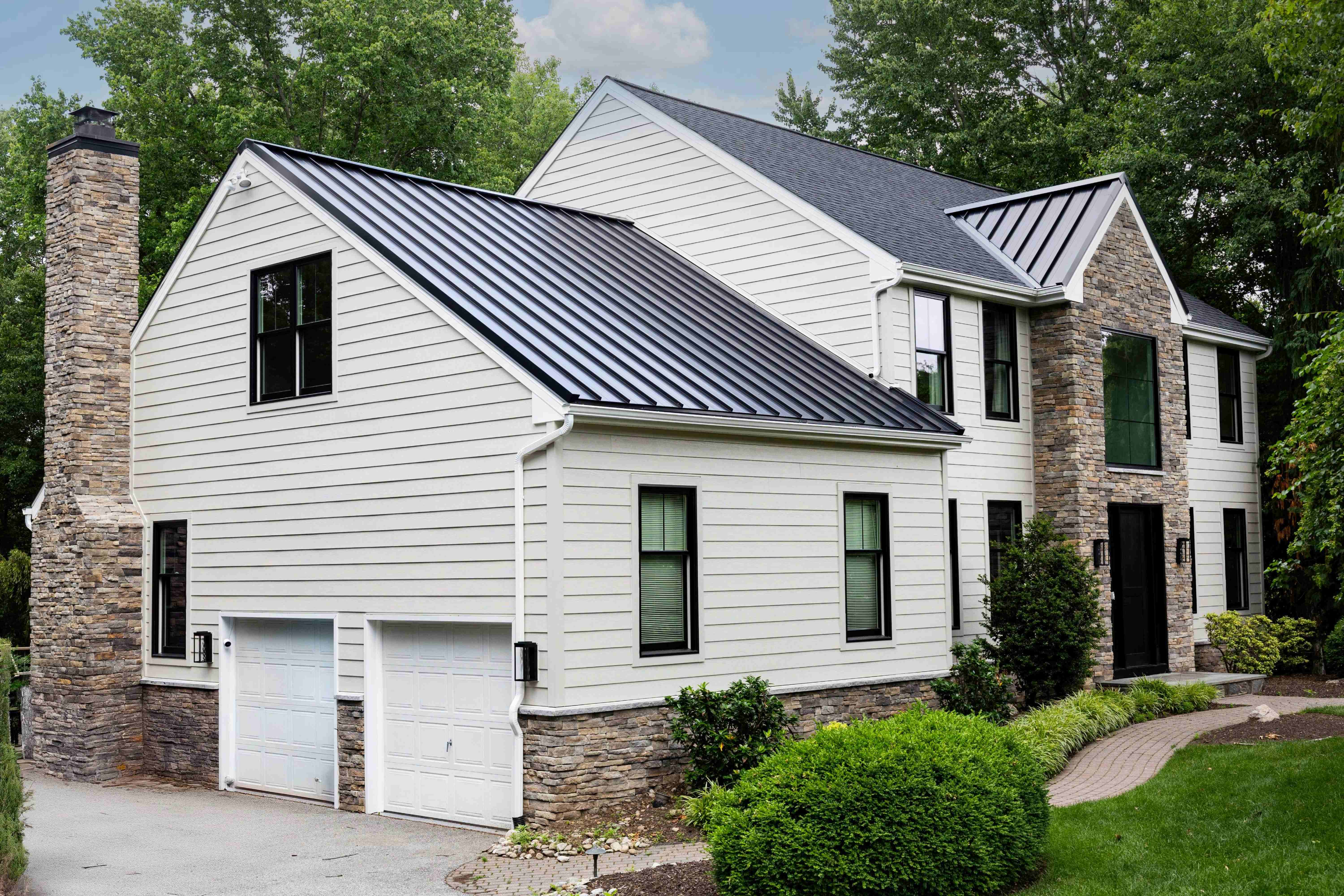

Window style covers three things: how the window operates, what shape it is, and how its proportions and grid pattern suit your home's architecture. The best window style is the one that serves the room's function and also looks right on the house. Double hung windows suit Colonial and Cape homes, casements suit Tudor and cottage styles, prairie grids suit Craftsman homes, and large picture windows suit Ranch and contemporary designs.
The Three Parts of Window Style
When people ask about window styles, they usually mean one of these:
- Operating type: how the window opens, such as double hung, casement, slider, or awning
- Shape: rectangular, arched, round, or another form
- Design details: grid pattern, proportions, trim, and frame color
All three shape how a window looks and works. We cover operating types in depth in our replacement window styles guide, so this guide focuses on shapes, details, and architectural pairing.
Common Operating Types at a Glance
- Double hung and single hung: Two stacked sashes, the classic choice for traditional homes
- Casement: Hinged at the side, opens outward with a crank
- Awning: Hinged at the top, opens outward and can stay open in light rain
- Slider: Glides horizontally, good for wide openings
- Picture: Fixed glass for views and light
- Bay and bow: Projecting units that add space and a focal point
Window Shapes
- Rectangular. The standard shape, versatile and efficient to build and install.
- Arched and arch top. A rectangular window topped with a curve, which adds elegance and works well in traditional and Mediterranean styles.
- Round and circle. A statement piece often used in gables, stairwells, or as an accent.
- Half round and fanlight. A semicircle that sits above a door or another window, common in Federal and Georgian homes.
- Octagon, hexagon, and geometric. Accent shapes for attics, gables, and contemporary designs.
- Transom and sidelight windows. Narrow windows placed above or beside doors and windows to bring in light.
- Clerestory windows. Windows placed high on a wall to add light while keeping privacy.
Grid Patterns and Their Effect on Style
Grids, also called grilles or muntins, divide the glass into smaller sections and strongly influence the character of a window.
- Colonial grids divide each sash into a uniform pattern of small panes, such as six over six, and are a hallmark of Colonial and Georgian homes.
- Prairie grids use a border of rectangles around a larger center pane, typical of Craftsman and Prairie style homes.
- Diamond grids create a lattice pattern often seen in Tudor and cottage designs.
- No grids give a clean, open look suited to modern and contemporary homes and to rooms where views matter most.
Grid types also vary in construction. Grids between the glass are easy to clean, simulated divided lites apply a bar to the glass for a more authentic look, and true divided lites use individual panes of glass in a wood frame.
Window Styles by Home Architecture
- Colonial and Georgian. Symmetrical placement and double hung windows with colonial grids are the classic match.
- Cape Cod. Double hung windows, often with divided lites, in smaller proportions suited to the home's scale.
- Stone farmhouse. Southeastern Pennsylvania has many stone farmhouses, which pair well with double hung windows in traditional proportions and deep window openings.
- Victorian. Tall, narrow windows, decorative upper sashes, and bay windows highlight the ornate character of the style.
- Craftsman and bungalow. Grouped windows with prairie grids in the upper sash and wide, simple trim.
- Tudor. Casement windows, often in groups, with diamond or multi pane patterns.
- Ranch and mid century. Wide sliders, picture windows, and horizontal groupings that emphasize the low profile of the house.
- Contemporary. Large picture windows, minimal grids, and slim frames that maximize light and views.
- Twin and row homes. Double hung windows that match the proportions of the original openings.
How to Choose the Right Window Style
- Start with the architecture. The most successful replacements respect the original proportions, grid pattern, and placement of the windows.
- Think about function. Match operating types to each room's needs for ventilation, cleaning access, and views.
- Consider the view and privacy. Picture windows and large glass areas suit views, while frosted glass or higher placement protects privacy.
- Check code requirements. Bedrooms need egress sized openings, and windows near doors, tubs, or stairs may need safety glass.
- Look at frame color and trim. Frame color and trim shape how a window reads from the street, so coordinate them with siding, roofing, and brick.
- Review any HOA or historic rules. Some communities limit changes to window appearance.
Mixing Window Styles
It is common to use more than one style on a home. A good rule is to keep the street facing front of the house consistent in style and grid pattern, and allow more flexibility on the sides and rear, where function often matters more than symmetry.
Frequently Asked Questions
What are the most popular window styles? Double hung windows are the most widely used in traditional homes, followed by casement, slider, and picture windows depending on the architecture and room.
What window style is best for an older home? Usually a style that matches the original, often double hung with grids that match the existing pattern, so the home keeps its character.
Do window grids add value? Grids that suit your home's architecture can improve curb appeal, while mismatched grids can detract from it.
Can I change window styles when I replace my windows? Often yes, especially with full frame replacement, though the opening, egress, and appearance should be considered.
What is a specialty window? A specialty window is any non standard shape, such as an arch, circle, or trapezoid, usually used as an accent or to fit an unusual opening.
Plan Windows That Fit Your Home
Choosing window styles is easier when someone can look at your home in person. Founded in 1970, Volpe Enterprises helps homeowners across Montgomery County, including North Wales, Norristown, and Malvern, choose windows that suit both the architecture and the way they live.
Request a free window estimate today.