

What is Clapboard Siding? A Time-Honored Classic in Home Exteriors
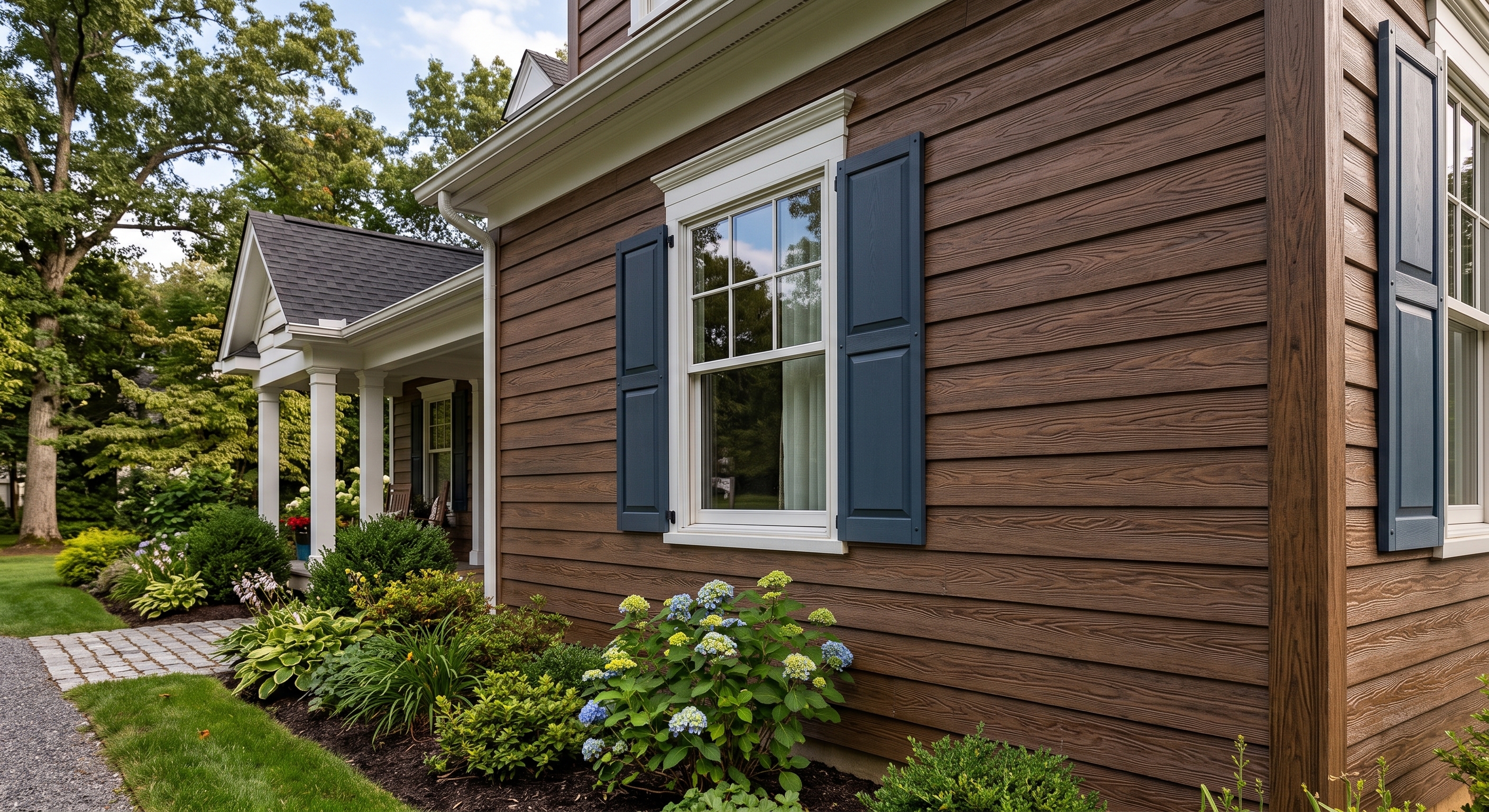

Clapboard siding—often referred to simply as "clapboard" or lap siding—is a classic exterior wall cladding consisting of long, horizontal, overlapping wooden or composite boards. Thicker on the bottom edge and thinner on the top edge, clapboards are installed so the top board overlaps the one below it, creating a natural watershed system that protects home structures from wind, rain, and snow.
Quick Facts: Clapboard Siding
What Is Clapboard Siding?
Clapboard siding is an architectural staple known for its clean, horizontal lines and timeless aesthetic. The name originates from the Dutch word klapbord, which referred to a log split into radial pieces.
Traditionally cut from durable softwoods like cedar, pine, or redwood, modern clapboard siding features a wedge-shaped profile (beveled edge). When installed horizontally, the thick bottom edge resting over the thin top edge forces rainwater to flow downward and away from the building’s sheath, preventing moisture intrusion.
Learn More: Siding Styles For Your Home
The History of Clapboard Siding
- Colonial Era (1600s–1700s): European settlers introduced hand-split wooden clapboards to North America. Because timber was abundant, clapboard became the standard defense against harsh New England winters.
- Industrial Era (1800s): The invention of steam-powered sawmills standardized board dimensions, making clapboard cheaper and faster to install. Builders began painting boards in historic whites, grays, and muted earth tones.
- Mid-20th Century Shift: Low-maintenance materials like aluminum and vinyl entered the market, pulling attention away from high-maintenance natural wood.
- Modern Resurgence: Today, clapboard remains a primary design choice. However, homeowners increasingly favor modern composite and fiber cement clapboards over natural wood to get the classic appearance without rot, pest damage, or high paint-upkeep costs.
Pros and Cons of Traditional Wood Clapboard Siding
Pros
- Timeless Aesthetic: Delivers an authentic, high-end look that raises curb appeal and historical value.
- Eco-Friendly: Real wood is biodegradable and sustainably sourced when certified.
- Customizable: Easily painted or stained in virtually any color scheme.
Cons
- High Maintenance: Requires repainting or sealing every 3 to 7 years.
- Vulnerable to Elements: Prone to wood rot, warping, cracking, and moisture damage if neglected.
- Pest Damage: Susceptible to termites, carpenter ants, and woodpeckers.
Modern Clapboard Alternatives: Wood vs. Fiber Cement vs. Vinyl
While traditional cedar clapboard offers authentic charm, modern alternative materials capture the same look with greater durability and significantly lower maintenance:
- Fiber Cement Clapboard (e.g., James Hardie): Mimics real wood grain perfectly while offering non-combustible fire resistance, rot resistance, and complete immunity to pests.
- Composite Clapboard: Engineered from recycled wood fibers and polymers to offer superior moisture resistance and high dimensional stability without splitting.
- Insulated Vinyl Lap Siding: A cost-effective option that replicates clapboard profiles while adding an extra thermal barrier to lower energy bills.
Maintenance & Care Tips for Clapboard Siding
To maximize the lifespan of your clapboard siding:
- Annual Inspections: Check for loose boards, cracked seams, peeling paint, or soft spots indicative of wood rot.
- Controlled Power Washing: Wash annually using low pressure and a mild detergent solution to remove dirt, mold, and mildew. High pressure can force water behind the boards.
- Maintain Caulking: Recaulk joints around windows, doors, and trim corners using high-grade exterior sealant to prevent moisture infiltration.
- Trim Nearby Foliage: Keep trees, bushes, and vines trimmed at least 12–18 inches away from siding to allow air flow and limit moisture retention.
What Makes a Classic Clapboard House?
A clapboard house is defined by its distinct architectural exterior featuring narrow, horizontally overlapping timber or fiber cement planks. This style gained massive popularity across New England, the Mid-Atlantic, and the American South due to its clean lines, structural reliability, and unmatched ability to shedding water away from a home's foundation.
Today, the classic aesthetic of a clapboard house fits seamlessly into several popular architectural styles:
- Colonial and Cape Cod: The original home for traditional narrow-lap siding, usually finished in classic white, slate gray, or soft beige with contrasting shutters.
- Modern Farmhouse: Combines bright white clapboard siding on the lower levels with board-and-batten accents on gables for a crisp, contemporary contrast.
- Craftsman & Bungalow: Often features wide-plank clapboards paired with stone accents, exposed rafters, and deep porch overhangs.
Building or upgrading a clapboard house no longer means committing to high-maintenance natural cedar. Modern composite and fiber cement materials allow homeowners to enjoy the timeless look of an authentic clapboard house with superior fire resistance, zero wood rot, and paint colors designed to last for decades.
Frequently Asked Questions About Clapboard Siding
Is clapboard siding the same as lap siding?
Yes. "Clapboard" is a specific historic type of horizontal lap siding characterized by beveled boards that overlap each other.
How long does clapboard siding last?
Natural wood clapboard lasts 20 to 40 years if regularly maintained. Modern fiber cement or high-grade composite clapboards can easily last 50+ years with minimal upkeep.
Can you replace wood clapboard with fiber cement or vinyl?
Yes. Modern fiber cement and insulated vinyl sidings are engineered to mimic authentic wood profiles, making them ideal replacements during exterior remodeling.
Upgrade Your Home’s Exterior with Authentic Clapboard Styles
Whether you are restoring a historic property or looking for low-maintenance modern siding that captures classic American architecture, selecting the right material is essential.
Volpe Enterprises, Inc. offers premium fiber cement, composite, and insulated vinyl siding solutions designed to deliver the classic clapboard aesthetic without the maintenance headache. Contact Volpe Enterprises, Inc. today for a free expert consultation and project quote.