

Clapboard House: What It Is and How to Keep the Look Alive
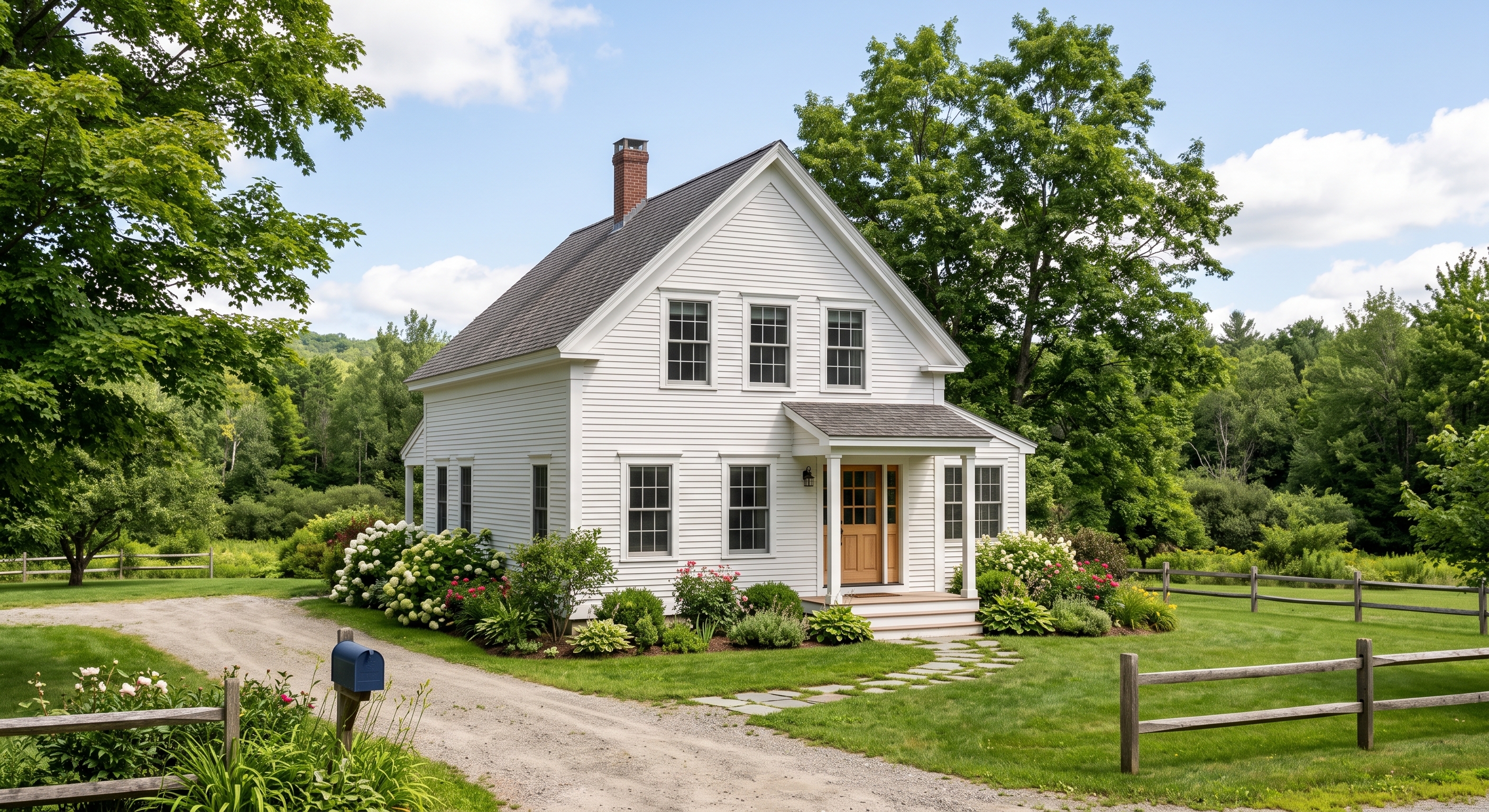

Walk through almost any older neighborhood in the Northeast and you'll spot them: homes with horizontal, overlapping boards running across the exterior, each row tucked slightly over the one below it. That's clapboard siding, one of the most recognizable and long-standing siding styles in American residential architecture. Here's what actually makes a house a clapboard house, the materials used today, and how to keep that classic look in good shape.
What Is a Clapboard House?
A clapboard house is a home sided with clapboard, a style defined by long, narrow boards installed horizontally and overlapped, with each board covering the top edge of the one beneath it. This overlap is what gives clapboard its distinctive shadow lines and its practical function: shedding water down and away from the wall rather than letting it collect at seams.
The term traces back to colonial New England, where clapboard became a defining feature of the region's architecture, and it remains closely associated with Colonial, Cape Cod, and Saltbox style homes throughout the Northeast, including much of Pennsylvania.
Clapboard vs. Other Horizontal Siding Styles
Clapboard is often used interchangeably with "lap siding" in casual conversation, but there are some distinctions worth knowing:
Clapboard traditionally refers to wedge-shaped boards, thicker at the bottom edge and thinner at the top, installed with a consistent overlap.
Dutch lap siding has a distinctive groove or rabbet cut along the top edge, creating a shadow line effect with a flatter installed profile than true clapboard.
Beveled or lap siding is a broader modern term that covers a range of overlapping horizontal siding profiles, including many products styled to mimic traditional clapboard.
For most homeowners today, the practical difference comes down to material and profile choice rather than strict historical terminology, since modern siding manufacturers offer clapboard-style profiles across several different materials.
Materials Used for Clapboard-Style Siding Today
Wood Clapboard
Traditional wood clapboard, historically cedar or pine, offers an authentic look and can be found on many historic homes. It requires the most maintenance of the common options, including regular painting or staining and monitoring for rot, insect damage, and warping.
Vinyl Clapboard-Style Siding
Modern vinyl siding replicates the clapboard profile at a lower maintenance burden. It never needs painting and resists moisture well, though lower-grade panels can look less authentic up close compared to real wood.
Fiber Cement Clapboard-Style Siding
Fiber cement products, including those from manufacturers like James Hardie, offer a highly convincing clapboard profile with significantly better durability than wood against fire, pests, and moisture. It holds paint far longer than wood but does eventually need repainting, unlike vinyl.
Engineered Wood Clapboard-Style Siding
Engineered wood products offer a middle ground, giving homeowners a wood-like appearance and texture with better moisture and pest resistance than traditional solid wood clapboard.
Common Clapboard Siding Problems to Watch For
Warping and cupping. Especially common with wood clapboard exposed to repeated moisture and temperature swings.
Cracked or split boards. Age, impact, and weather exposure can all lead to individual boards cracking, particularly at butt joints where boards meet end to end.
Paint failure. Peeling, bubbling, or chalking paint on wood clapboard is often an early sign that moisture is getting behind the finish.
Gaps at seams and corners. Over time, boards can shift slightly, opening gaps that let moisture behind the siding.
Rot at the base. The lowest rows of clapboard, closest to grade or foundation, are especially prone to rot due to splashback moisture and reduced airflow.
Maintaining a Clapboard House
Clapboard siding, particularly wood, holds up best with a consistent maintenance routine:
- Inspect boards seasonally for cracking, warping, or paint failure
- Repaint or reseal wood clapboard on a regular cycle, typically every several years depending on climate exposure
- Keep gutters functioning properly, since overflow is a common contributor to clapboard rot
- Address small cracks or gaps promptly, before moisture has a chance to work its way behind the siding
- Trim back vegetation touching the siding, which traps moisture against the boards
Repair or Full Replacement?
Isolated board damage, like a single cracked or warped piece, is often a straightforward repair, especially when matching material and paint color are available. Widespread warping, repeated rot in multiple areas, or siding that's reached the end of its material lifespan usually points toward a full or partial replacement being the more practical long-term choice, particularly if you're also looking to reduce future maintenance by switching to a lower-upkeep material like fiber cement or vinyl.
Frequently Asked Questions
What makes a house a clapboard house?
A clapboard house is sided with horizontal, overlapping boards, a style closely associated with Colonial, Cape Cod, and Saltbox architecture, particularly throughout the Northeast.
Is clapboard siding still used today?
Yes, though it's now commonly produced in materials like vinyl and fiber cement designed to replicate the traditional wood clapboard profile with lower maintenance requirements.
How often does wood clapboard siding need to be repainted?
This depends on climate exposure and the quality of the previous paint job, but wood clapboard generally needs repainting more frequently than fiber cement, which holds paint significantly longer.
Can clapboard siding be repaired instead of replaced?
Often, yes, for isolated damage like a cracked or warped board. Widespread rot or wear across many boards typically makes replacement the more cost-effective option long term.
Keep Your Clapboard Home Looking Its Best
Whether you're maintaining historic wood clapboard or considering a switch to a lower-maintenance material that keeps the classic profile, our team can help you evaluate your current siding and walk through the right options for your home.
Schedule a free exterior siding evaluation today. Call (610) 539-6730 or visit govolpe.com to get started.