

Top Deck Materials for Your Outdoor Living Space: The Ultimate Comparison Guide
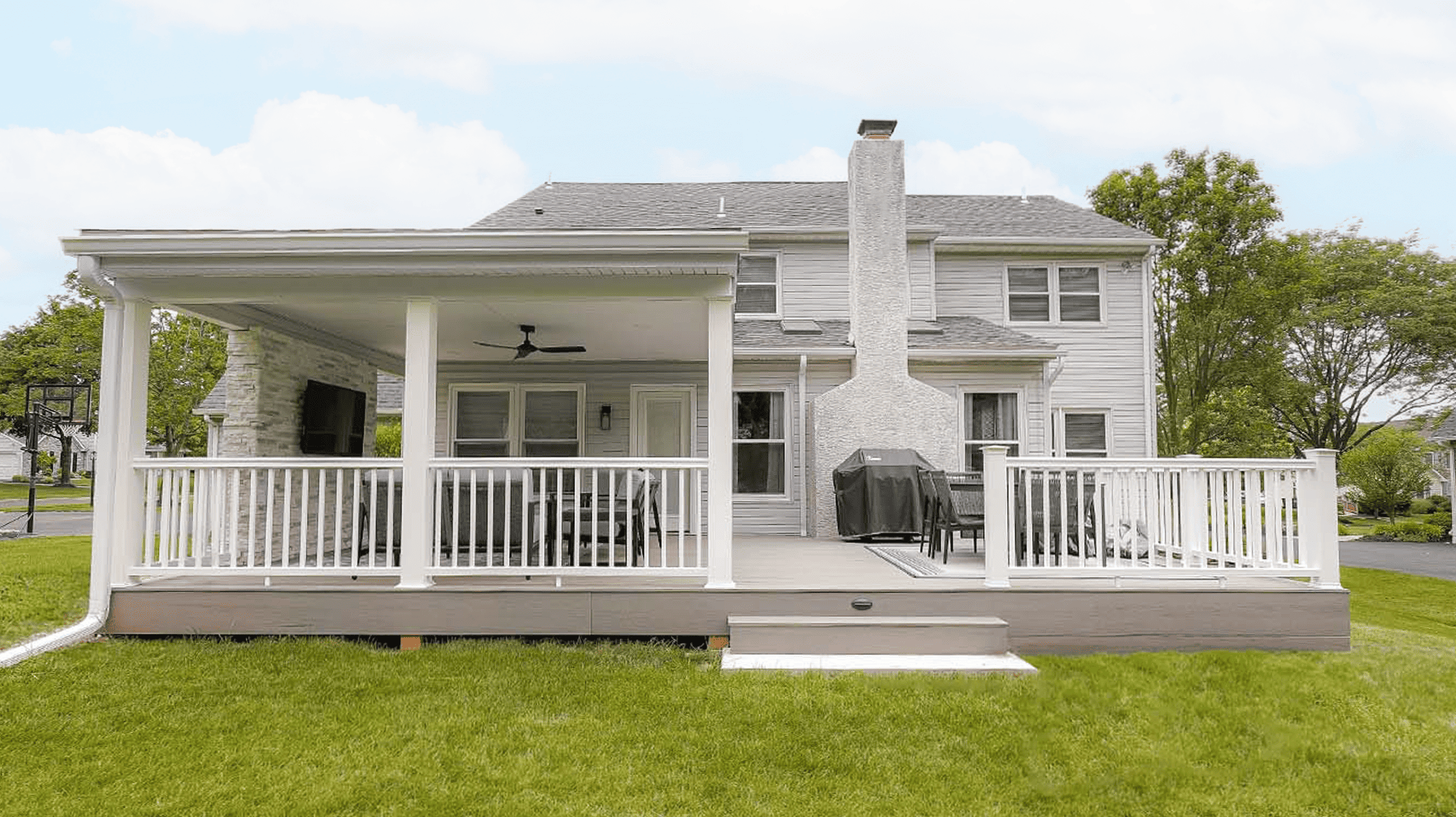

Designing a custom outdoor living space is one of the most rewarding ways to expand your home's usable square footage and boost property value. Whether you envision hosting weekend summer barbecues or enjoying quiet morning coffee outdoors, choosing the right deck material is the single most important decision in the planning process.
With advances in building technology, homeowners in Southeastern Pennsylvania have more decking options than ever—ranging from traditional pressure-treated lumber to low-maintenance composite and high-performance PVC decking.
Understanding the pros, cons, costs, and maintenance requirements of each material will help you build a durable deck that fits your lifestyle and budget.
1. Pressure-Treated Lumber: The Traditional Budget Choice
Pressure-treated (PT) wood remains a widely used decking material due to its low upfront cost. Typically manufactured from Southern Yellow Pine infused with chemical preservatives, PT decking resists insect damage and rot.
- Pros: Highly affordable upfront material cost; natural wood appearance that can be stained or painted any color.
- Cons: Requires rigorous ongoing maintenance. Without routine sealing, power washing, and staining every 2 to 3 years, pressure-treated boards warp, split, cup, and develop painful splinters underfoot.
2. Capped Composite Decking: The Low-Maintenance Standard
Composite decking combines recycled wood fibers and synthetic polymers wrapped in a protective hard shell cap. Industry-leading brands (like Trex and TimberTech) offer natural wood-grain textures without the maintenance headaches of natural wood.
- Pros: Splinter-free, slip-resistant surface; resists rotting, warping, and insect damage. Never requires sanding, staining, or painting.
- Cons: Higher initial material investment than pressure-treated wood. Darker composite colors can absorb heat under direct summer sun.
3. Cellular PVC Decking: Maximum Moisture Protection
Unlike composite boards, PVC decking contains zero wood fibers or organic materials. Constructed entirely from cellular polyvinyl chloride, PVC boards are 100% waterproof.
- Pros: Impervious to water absorption, rot, mold, and mildew. Excellent choice around swimming pools, hot tubs, or ground-level damp areas. High-end PVC blends feature advanced heat-reflective technology to stay cooler on hot summer days.
- Cons: Premium price point; requires specialized hidden fastener systems for seamless installation.
4. Exotic Tropical Hardwoods: Natural Luxury
For homeowners who demand unmatched natural elegance, exotic hardwoods like Ipe, Cumaru, and Tigerwood represent the pinnacle of natural decking materials.
- Pros: Extremely dense, naturally fire-resistant, and virtually immune to wood-boring insects. Delivers rich, deep wood tones that add significant luxury market value.
- Cons: High material and labor installation costs. Hardwood density requires specialized pre-drilling and diamond-tipped cutting blades. Left un-oiled, exotic hardwoods weather into a silver-grey patina.
Key Factors to Consider When Choosing Deck Material
Before finalizing your deck design, evaluate these critical factors:
- Local Pennsylvania Climate: Southeastern PA experiences freezing winter ice storms and hot, humid summers. Moisture resistance and freeze-thaw durability are essential.
- Maintenance Commitment: Ask yourself if you enjoy annual sanding, sealing, and staining—or if you prefer a low-maintenance, wash-and-go surface.
- Budget & Long-Term Value: While composite and PVC carry higher upfront installation costs, they eliminate ongoing staining and board replacement expenses, yielding lower long-term cost of ownership.
- Architectural Integration: Ensure your chosen deck color, railing system, and trim match your home's exterior siding and trim details.
Frequently Asked Questions (FAQ)
Which deck material offers the best return on investment (ROI)?
Capped composite decking offers the best overall return on investment. While pressure-treated wood is cheaper upfront, composite decking eliminates ongoing stain and sealant costs while retaining its aesthetic value for 25–30+ years.
How do I keep my composite deck clean?
Maintaining a composite deck is simple: sweep away dirt and leaves regularly, and wash the surface twice a year using warm water, mild dish soap, and a soft-bristle brush.
Can composite or PVC decking be installed over an existing wooden frame?
Yes! If your existing pressure-treated joists and structural framing pass a safety inspection and remain free of rot, a process called re-decking allows contractors to install new composite or PVC deck boards over the existing sub-frame.
Do composite decks get hot in direct sunlight?
Darker composite colors absorb more solar heat. However, choosing lighter tan or grey shades—or opting for premium PVC decking with heat-reflective pigments—keeps deck surfaces comfortable even during hot summer months.
Do I need a building permit to build or replace a deck in Pennsylvania?
Yes, building codes across Montgomery, Bucks, and Chester Counties require structural permits and inspections for new deck construction, framing alterations, and ledger board attachments to ensure safety compliance.
Build Your Dream Deck with Volpe Enterprises
Ready to transform your outdoor living space with a custom, low-maintenance deck? Partner with Southeastern Pennsylvania's trusted design-build and remodeling experts.
At Volpe Enterprises, Inc., we have provided expert deck construction, siding installation, roofing, and window replacement across Montgomery, Bucks, and Chester Counties since 1970.
Contact our design team today or visit one of our local showrooms in North Wales, Norristown, or Malvern, PA for a free design consultation!