

Stucco to Siding Conversion: What Homeowners Need to Know
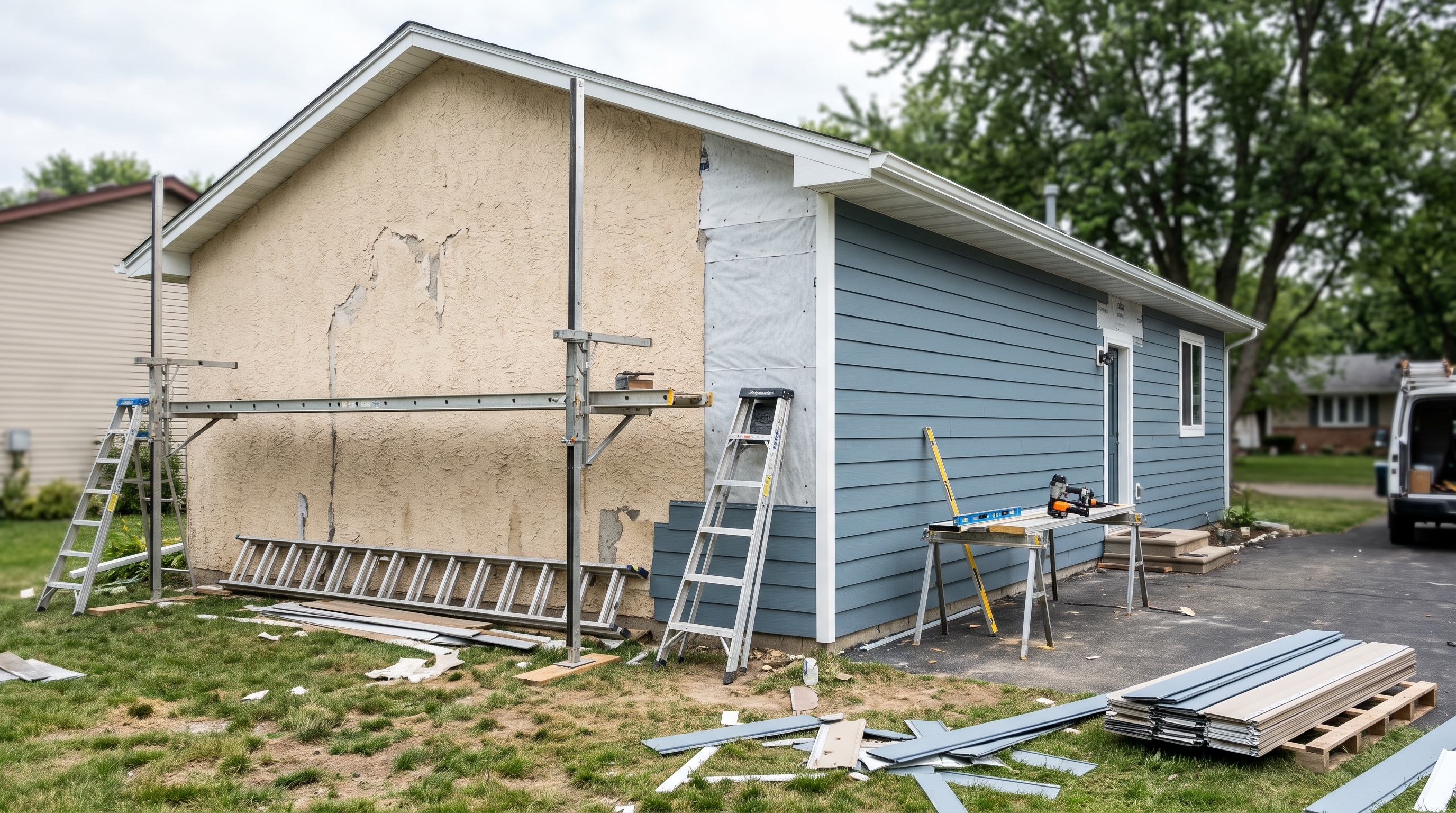

What Is a Stucco to Siding Conversion?
Quick answer: A stucco to siding conversion is the process of removing an existing stucco exterior, inspecting and repairing the wall structure underneath, installing a proper moisture barrier, and finishing the home with new siding. Homeowners in Southeastern Pennsylvania choose this upgrade to stop hidden water damage, protect their home's structure, and get a low maintenance exterior that holds up to our wet, freeze and thaw climate.
If you own a stucco home in Montgomery, Chester, or Bucks County, you have probably heard the warnings. Many homes built in our area over the past few decades used stucco systems that trap moisture behind the walls. The damage often stays invisible until it becomes serious.
The good news is that you have options. In this guide, our exterior team at Volpe Enterprises, Inc. explains why stucco fails in Pennsylvania, the warning signs to watch for, what the conversion process looks like, and how to choose the right siding for your home.
Why Does Stucco Fail on Pennsylvania Homes?
Stucco fails in Pennsylvania mainly because water gets behind it and has no way to escape. Stucco itself is not the villain. The problem is how it was installed and how it handles our climate.
- Improper installation. Many homes built from the late 1980s through the 2000s used stucco over wood framing without proper flashing, drainage planes, or weep screeds. When water gets in around windows, doors, rooflines, and decks, it soaks into the sheathing and framing.
- Freeze and thaw cycles. Southeastern PA winters swing above and below freezing again and again. Water trapped in small cracks expands when it freezes, which widens the cracks and lets even more moisture in each season.
- Heavy rain and humidity. Our wet springs and humid summers keep exterior walls damp. Without a path to drain and dry, that moisture sits against the wood and leads to rot and mold.
- Hidden damage. The most frustrating part is that stucco can look fine on the surface while the wall behind it is deteriorating. By the time you see stains or soft spots, the damage has often spread.
Signs Your Stucco Has a Moisture Problem
The most common signs of failing stucco are staining below windows, cracks, bulging, and soft spots. Walk around your home and look for these red flags:
- Dark streaks or stains running down from window and door corners
- Cracks in the stucco surface, especially diagonal cracks near openings
- Bulging, bubbling, or areas that sound hollow when tapped
- Soft or spongy spots when you press on the wall
- Mold, mildew, or a musty smell inside rooms with exterior walls
- Swollen or rotting window sills and trim
- Peeling paint or damp drywall on interior walls
- Efflorescence, a white powdery residue on the stucco surface
If you notice any of these, do not wait. Moisture damage gets worse with every rain and every freeze. A professional evaluation can tell you how far the problem goes and whether conversion to siding is the right move.
Benefits of Replacing Stucco With Siding
Replacing stucco with siding fixes the root cause of moisture damage and gives your home a fresh, durable exterior. Here is what homeowners gain:
- Real moisture protection. New siding goes over a modern weather barrier with proper flashing, so water drains away instead of soaking into your walls.
- A chance to fix hidden damage. Removing stucco exposes the sheathing and framing so rotted wood can be repaired before it spreads.
- Lower maintenance. Quality siding does not need patching, sealing, or repainting the way stucco does.
- Better energy efficiency. Adding insulation or insulated siding during the project can make your home more comfortable year round.
- Fresh curb appeal. Choose new colors, textures, and trim styles to give your home a completely updated look.
- Stronger resale position. Many buyers in our area are wary of stucco. A home with new siding and documented repairs can be easier to sell.
How the Stucco to Siding Process Works
A stucco to siding conversion follows a clear sequence: evaluate, remove, repair, protect, and install. Here is what to expect when you work with Volpe Enterprises, Inc.:
- Free estimate and evaluation. One of our exterior specialists visits your home, looks at the condition of your stucco, talks through your goals, and walks you through siding options.
- Custom project plan. You receive a clear plan for your home, including the siding style, color, trim, and any additional work such as windows or gutters.
- Stucco removal. Our crew carefully removes the stucco and protects your landscaping and property during the work.
- Structural repair. With the wall exposed, damaged sheathing or framing is identified and replaced so your new siding goes onto a solid, dry structure.
- Weather barrier and flashing. A modern house wrap and proper flashing around windows, doors, and rooflines create a drainage plane that keeps water out.
- Siding installation. Your new siding and trim are installed for a clean, finished look.
- Final walkthrough. We review the finished project with you to make sure everything meets your expectations.
Because we also handle roofing, gutters, and windows, many homeowners take the opportunity to update multiple parts of their exterior in one coordinated project.
Best Siding Options to Replace Stucco
The best siding to replace stucco depends on your style goals, maintenance preferences, and budget. These are the most popular choices for Southeastern PA homes:
The right choice for your home comes down to how you want it to look and how long you plan to stay. During your free estimate, our team will show you samples and help you compare options side by side.
Stucco Repair vs. Remediation vs. Siding Conversion
Patching stucco treats symptoms, while remediation and siding conversion address the cause. Here is how the three approaches compare:
For many Pennsylvania homeowners, converting to siding offers the best balance of protection, appearance, and peace of mind.
Frequently Asked Questions About Stucco to Siding
Can you put siding over stucco?
Installing siding directly over stucco is not recommended when moisture is a concern. Covering damaged stucco can trap water and hide rot. The best practice is to remove the stucco, repair the wall, and install siding over a proper weather barrier.
How long does a stucco to siding conversion take?
Most projects take one to a few weeks, depending on the size of the home and how much structural repair is needed. Your project plan will include an expected timeline.
Is stucco bad for homes in Pennsylvania?
Stucco is not bad on its own, but many PA homes have stucco systems that were installed without proper drainage. Combined with our rain and freeze and thaw cycles, this often leads to hidden moisture damage.
Does replacing stucco with siding increase home value?
It can. Many buyers in Southeastern PA are cautious about stucco homes. New siding, repaired walls, and documented work can make your home more appealing and easier to sell.
What kind of siding is best to replace stucco?
Vinyl, insulated vinyl, and fiber cement are the most popular options. The best fit depends on the look you want, how much maintenance you are comfortable with, and your budget.
Do I need to replace all of my stucco or just the damaged areas?
It depends on how widespread the damage is. A professional evaluation helps determine whether a full conversion is the smartest long term choice or whether a partial approach makes sense.
Do you offer stucco to siding conversion near me?
Volpe Enterprises, Inc. serves homeowners throughout Southeastern Pennsylvania, including Montgomery, Chester, and Bucks Counties, with offices in North Wales, Norristown, and Malvern.
Schedule Your Free Stucco to Siding Estimate
If your stucco is showing signs of trouble, or you simply want peace of mind, now is the time to act. Every season of rain and freezing temperatures gives moisture more time to spread.
The exterior team at Volpe Enterprises, Inc. helps homeowners across Montgomery, Chester, and Bucks Counties protect their homes with expert siding installation. We will evaluate your home, explain your options clearly, and create a plan that fits your goals.
Call (610) 539-6730 or request your free estimate online today. Let's give your home an exterior that is built to last.