

Steel vs. Fiberglass Entry Doors: Security, Insulation, and Curb Appeal Compared
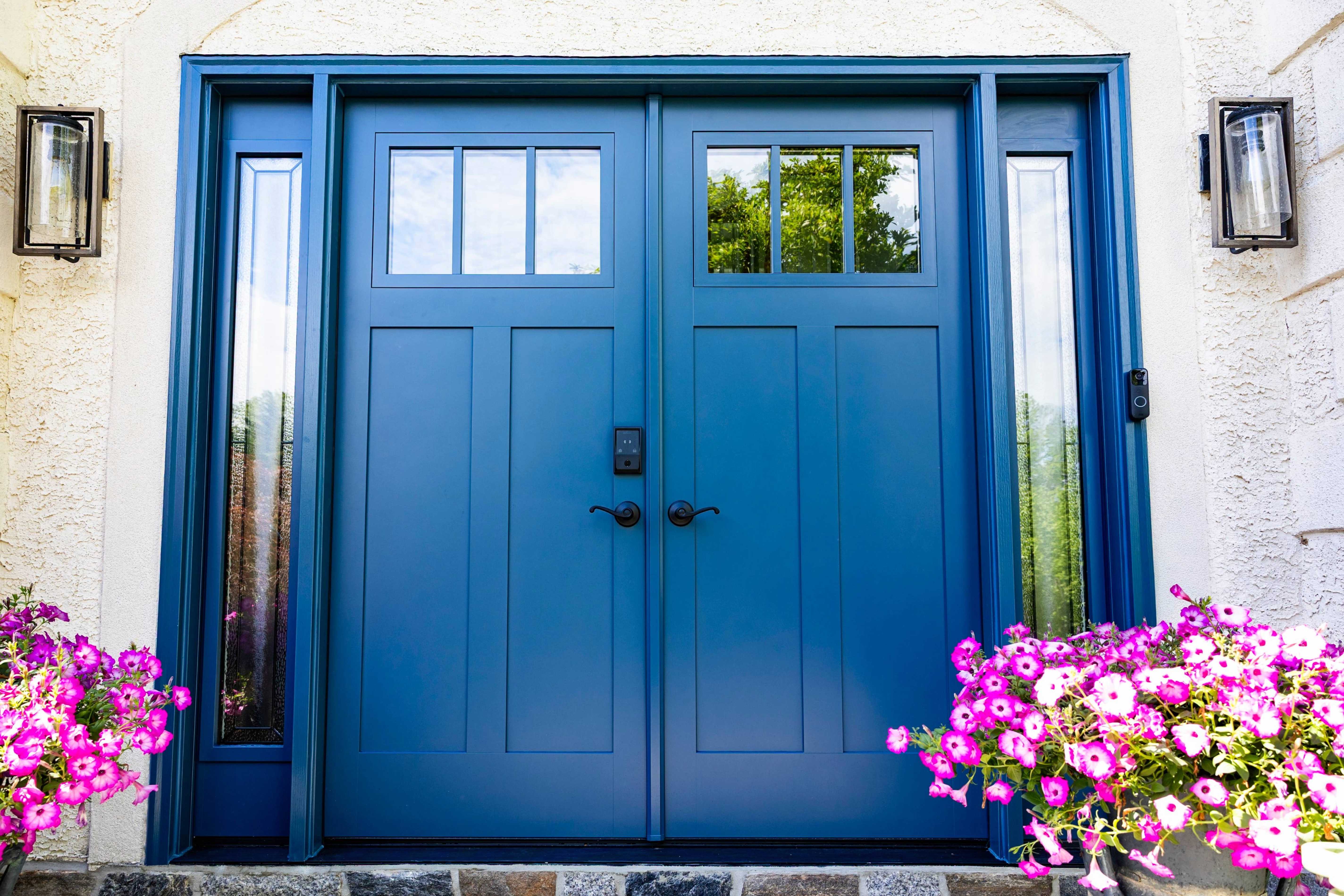

Your front door does more work than most homeowners give it credit for. It's a security barrier, an insulation point, and one of the first things visitors and potential buyers notice about your home. When it's time for exterior door installation, the two most common material choices are steel and fiberglass, and each has real trade-offs worth understanding before you decide.
Steel Entry Doors
Steel doors have long been a popular choice for homeowners prioritizing security and value.
- Security: Steel is the most impact-resistant common door material, making it a strong choice for homeowners who prioritize security above other factors.
- Insulation: Steel doors typically have a foam core that provides solid insulation value, though the steel skin itself conducts temperature, which can be a factor in extreme climates.
- Cost: Steel doors are generally the most budget-friendly entry door option, making them a popular choice for straightforward front entry door replacement projects.
- Durability considerations: Steel resists warping, unlike wood, but it is vulnerable to denting from impact and can rust over time if the protective coating is scratched or compromised.
- Aesthetic: Steel doors come in a range of styles and paint finishes but generally offer less texture variation than fiberglass, which can more convincingly mimic wood grain.
Fiberglass Entry Doors
Fiberglass has become the go-to choice for homeowners wanting a balance of durability, insulation, and a natural wood-look finish.
- Security: Fiberglass is highly durable and resistant to denting, though it's generally considered slightly less impact-resistant against forced entry than steel.
- Insulation: Fiberglass doors typically offer excellent insulation, often outperforming steel due to lower thermal conductivity in the door skin itself alongside a foam core.
- Cost: Fiberglass doors generally cost more than steel, reflecting the more advanced manufacturing process and finish options.
- Durability considerations: Fiberglass resists denting, warping, rotting, and rusting, making it a strong long-term performer with minimal maintenance.
- Aesthetic: Fiberglass can be manufactured with a convincing wood grain texture and stained rather than painted, giving it a more premium, natural appearance than steel.
Steel vs. Fiberglass at a Glance
Which Door Is Right for Your Home?
Choose steel if: Security and budget are your top priorities, and you're comfortable with a more limited style range.
Choose fiberglass if: You want the best available insulation performance, minimal long-term maintenance, and a finish that closely resembles natural wood.
Don't Overlook Patio and Sliding Doors
While front entry doors get most of the attention, sliding glass patio door installers are seeing increased demand as homeowners upgrade aging patio doors for better insulation and security as part of the same project. If you're already planning custom exterior doors for your entry, it's worth evaluating your patio or back door at the same time, since matching hardware finishes and improving overall home security often makes sense as a combined project.
Front Entry Door Replacement Cost Factors
Beyond material choice, several factors affect front entry door replacement cost:
- Door size and configuration, including sidelights or transom windows
- Glass inserts, which add cost but also natural light and style
- Hardware finish and smart lock compatibility
- Frame and threshold condition, since a full frame replacement costs more than a slab-only swap
- Custom sizing, for non-standard openings common in older homes
Frequently Asked Questions
Is a fiberglass or steel door better for security?
Steel is generally considered marginally stronger against forced impact, but high-quality fiberglass doors with a solid core and proper locking hardware still provide strong security for most homes. The bigger security factor is often the quality of the lock and strike plate installation.
Which entry door material insulates better, steel or fiberglass?
Fiberglass typically offers better insulation performance than steel, since the fiberglass skin itself conducts less heat than a steel skin, even though both use a similar foam core.
Do steel doors rust?
Steel doors can rust if the protective coating is scratched, dented, or worn through over time, exposing bare metal to moisture. Fiberglass doors don't have this risk since they're not metal.
How much does exterior door installation typically cost?
Cost varies based on door material, size, glass features, and whether the frame needs replacement, not just the door slab. A local installer can give you an accurate quote based on your specific entryway.
Explore Door Styles and Get Your Quote
The right entry door comes down to your priorities: security, insulation, style, or some balance of all three. Seeing the material and finish options in person makes the decision a lot easier than comparing specs alone.
Browse door styles and get an instant quote on professional installation.