

5 Warning Signs Your Roof and Gutters Won’t Survive a Bucks County / Montgomery County Winter
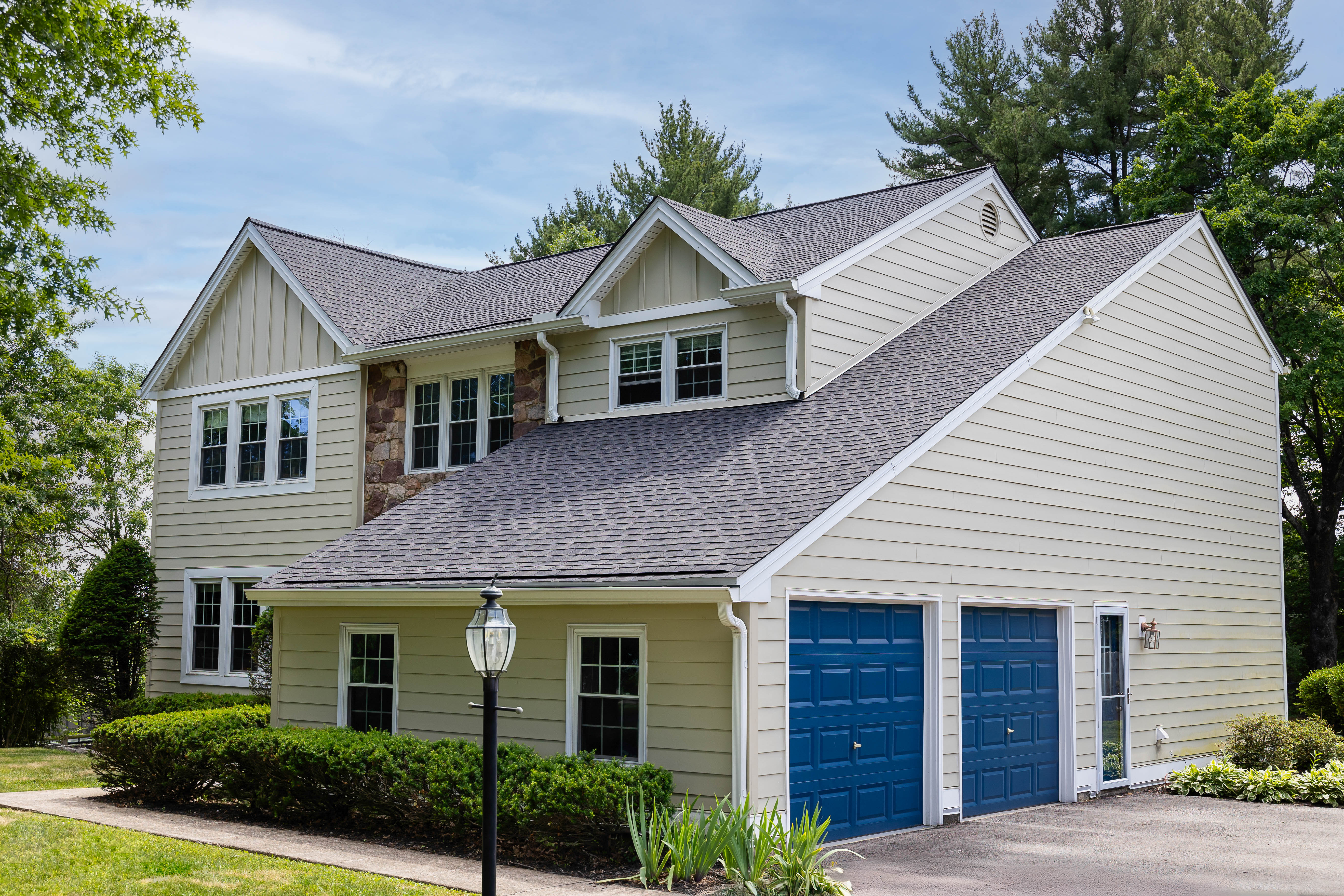

Winter in Southeastern Pennsylvania isn't just cold—it’s brutal on your home’s exterior. Between the heavy, wet snowstorms sweeping across Bucks County, sharp freeze-thaw cycles along the Route 309 corridor, and the relentless ice dams common in Montgomery County’s mature neighborhoods, your roof and gutters take a beating every year.
If your roof system is already aging, heading into winter with hidden vulnerabilities is a recipe for catastrophic leaks, interior water damage, and emergency structural repairs.
Before the first freezing rain hits PA, inspect your home for these 5 critical warning signs you need a new roof—plus how prioritizing roof winter damage prevention now can save you thousands later.
1. Gutter Sand: Heavy Granule Loss in Your Downspouts
When clearing autumn leaves from your gutters, do you notice what looks like coarse black sand piling up at the bottom?
Asphalt shingles are coated with mineral granules that act as a shield against UV rays, hail, and snow. As shingles reach the end of their lifespan, they lose these protective granules rapidly.
- Why it fails in winter: Bald shingles become brittle. When snow sits on a granule-deprived roof, the freeze-thaw cycle forces moisture directly into the bare asphalt, cracking the shingles wide open and exposing your roof deck to rot.
2. Curling, Buckling, or Missing Shingles
Take a step out into your yard and scan your roofline. Are the edges of your shingles curling upward, or do you notice patches where the surface looks uneven or missing entirely?
- Why it fails in winter: Curling shingles create tiny pockets for wind-driven snow to slide underneath. When that snow melts and refreezes overnight, it expands, popping the shingle off the roof deck or tearing the underlayment underneath. If you're spotting curling or missing shingles across multiple sections, it’s one of the clearest roof replacement signs PA homeowners should never ignore.
3. Sagging, Pulling, or Overflowing Gutters
Your gutters are your roof's primary drainage system. If you notice your gutters pulling away from the fascia board, sagging in the middle, or failing to drain during autumn rains, they are in immediate danger.
- Why it fails in winter: Clogged or misaligned gutters trap water. When Southeastern PA temperatures plunge below freezing, trapped water turns into massive blocks of ice. The extreme weight can rip the gutters entirely off your home, damage your soffit, and create ice dams that back up water underneath your lowest row of roof shingles.
4. Attic Frost, Condensation, or Water Stains
The best indicator of your roof's winter readiness is often inside your attic. Head upstairs on a cold day and inspect your insulation and framing.
- What to look for:
- Dark water spots or ring stains on the ceiling/rafters.
- Frost or visible moisture on the underside of the roof deck.
- Daylight peeking through the roof boards.
- Why it fails in winter: Poor attic ventilation creates a warm, humid environment that melts snow on your roof from below, causing dangerous ice dams at the chilly eaves. Furthermore, frost buildup on interior rafters will melt during quick winter thaws, dripping onto your ceiling insulation and causing hidden mold growth.
5. Your Roof is 15 to 20+ Years Old
Even if your roof looks fine from the street, age is a major factor. The average asphalt shingle roof in Pennsylvania has a lifespan of 15 to 25 years due to our extreme season-to-season climate shifts.
- Why it fails in winter: Older roofing materials lose elasticity. They cannot handle the heavy snow loads or the physical expansion and contraction caused by local winter weather cycles. A 20-year-old roof that made it through the summer without a leak can easily fail during a single severe winter ice storm.
Proactive Roof Winter Damage Prevention in PA
Don't wait for active leaks to leave you searching for emergency contractors in the middle of a blizzard. Taking a few preventive steps in late summer or early fall will protect your home:
- Clear All Gutters & Downspouts: Remove leaves, twigs, and granules so melted snow can drain freely.
- Trim Overhanging Branches: Winter ice weighs down branches, causing them to snap and crash onto roofs across Bucks and Montgomery counties.
- Inspect Flashing: Ensure metal seals around chimneys, skylights, and vents are tight and leak-free.
- Get a Professional Inspection: Local roofing experts can spot hidden deck rot, compromised underlayment, or ventilation problems that ground-level checks miss.
Is Your Roof Ready for Pennsylvania's Next Winter?
If you spotted any of these warning signs on your home, don't wait for the cold weather to set in. Addressing roof damage early is significantly more affordable than dealing with emergency winter repairs and interior water damage.