

Roof and Attic Ventilation: How It Works and What Your Home Needs
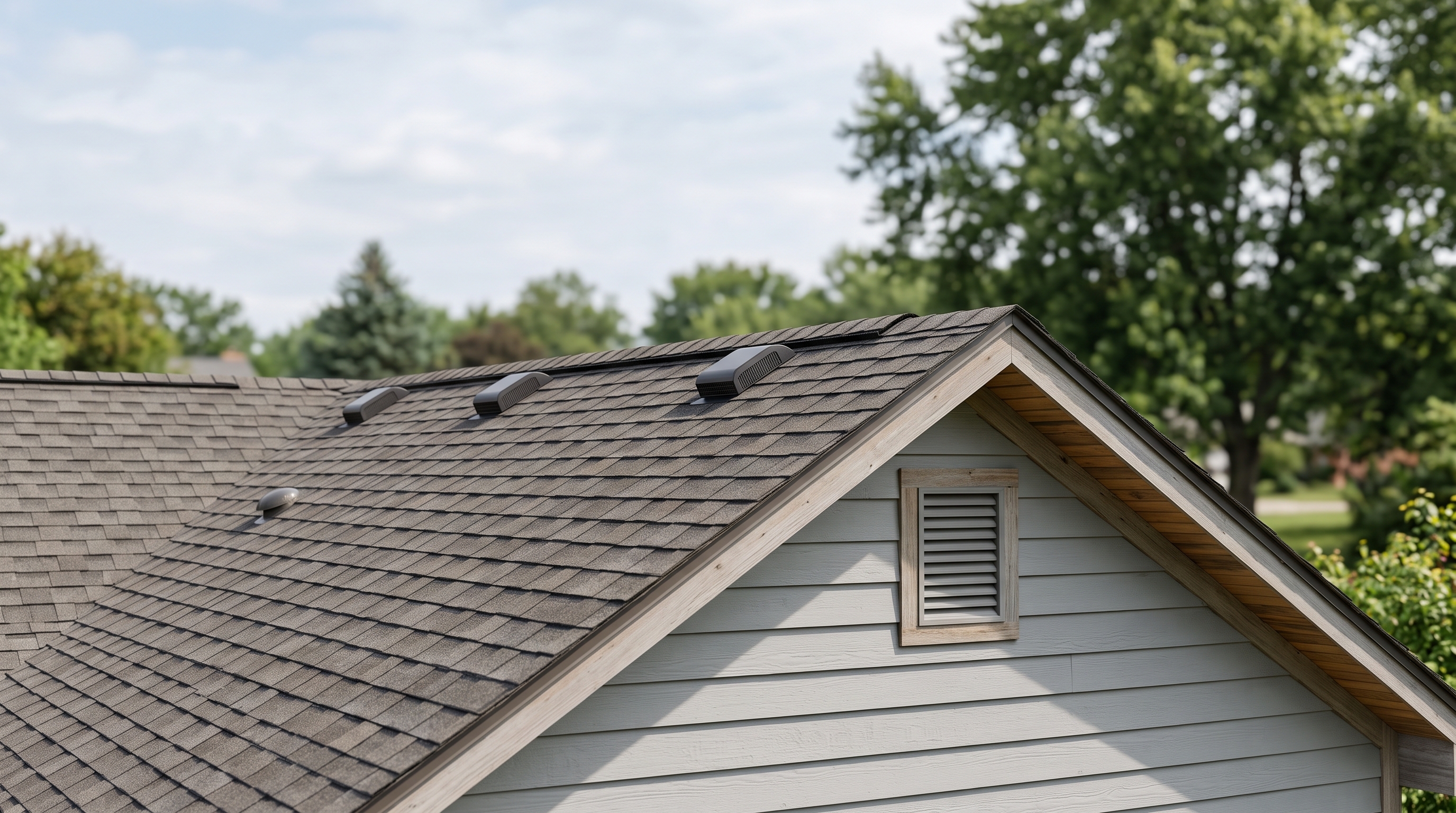

Quick answer: Attic ventilation lets cool outside air enter low at the soffits and warm, moist air exit high at the ridge. A balanced system keeps the roof deck dry, reduces ice dams in winter, lowers attic heat in summer, and helps shingles reach their full lifespan. Most homes need roughly one square foot of vent opening for every 150 square feet of attic floor, split evenly between intake and exhaust.
Why Attic Ventilation Matters for Your Roof
An attic is a buffer zone between your living space and the weather. Without airflow, that buffer works against you.
In summer, a poorly ventilated attic traps heat that bakes the roof deck from underneath. That heat accelerates shingle aging, raises cooling demand, and can make upper floors uncomfortable.
In winter, warm, moist air from the living space rises into the attic. Without a path out, that moisture condenses on cold wood and insulation, leading to mold, rot, and reduced insulation performance. Uneven roof temperatures also melt snow unevenly, which feeds ice dams at the eaves.
What Are the Main Types of Roof Vents?
Soffit Vents (Intake)
Soffit vents sit under the roof overhang and pull fresh air into the attic. They are the foundation of a balanced system. If soffit vents are blocked by insulation, paint, or debris, the rest of the ventilation system cannot do its job.
Ridge Vents (Exhaust)
Ridge vents run along the peak of the roof and let hot, moist air escape evenly across the full length of the ridge. Paired with soffit intake, they create natural, continuous airflow without moving parts.
Turbine Vents
Turbine vents are wind-driven spinning caps that pull air out of the attic. They can work well in windy locations but depend on wind to move air and have moving parts that can wear out or seize over time.
Box (Static) Vents
Box vents are fixed openings placed near the ridge. They rely on natural convection and are often installed in groups. They work best when intake air is adequate, and they should not be mixed with ridge vents on the same roof section, since that can short circuit airflow.
Powered Attic Fans
Electric or solar powered fans pull air out of the attic. They can help in some situations, but without enough intake they may pull conditioned air up from the living space instead, so they need to be sized and installed carefully.
Which Vent System Is Best?
For most Pennsylvania homes, the most dependable setup is continuous soffit intake paired with a continuous ridge vent. It is passive, quiet, and provides even airflow along the whole roof. Homes without a usable ridge, such as some hip roofs or complex rooflines, may need a combination of vent types chosen to keep intake and exhaust balanced.
Signs Your Attic Is Not Ventilating Properly
- Frost or condensation on the underside of the roof deck in winter
- Damp, compressed, or moldy insulation
- Ice dams or heavy icicles forming at the eaves
- An attic that feels like an oven on summer afternoons
- Shingles curling, blistering, or aging faster than expected
- Rusted nails or stained roof sheathing visible from the attic
- Upper floor rooms that are noticeably hotter than the rest of the house
Common Ventilation Mistakes
Blocked soffits. Insulation pushed into the eaves can seal off intake vents completely.
Mixing exhaust vent types. Combining ridge vents with turbine or box vents on the same roof section can disrupt airflow.
Too much exhaust, not enough intake. An exhaust vent can only move as much air as the intake allows.
Ignoring bathroom and kitchen exhaust. These fans should vent outdoors, not into the attic.
Skipping ventilation during a roof replacement. A new roof on a poorly ventilated attic can inherit the same problems that shortened the last one.
Ventilation and Your Roof Replacement
A roof replacement is the best time to correct ventilation. Many shingle manufacturers require adequate attic ventilation to keep their warranties valid, and installing new vents while the roof is open is far more efficient than retrofitting later. A thorough roofing contractor will check intake, exhaust, and insulation depth before recommending a plan.
Frequently Asked Questions
How do I know if my attic needs more ventilation? Look for frost on the roof deck in winter, damp insulation, ice dams, or an extremely hot attic in summer. Any of these suggest airflow is inadequate.
Is a ridge vent better than a turbine vent? Ridge vents are generally more consistent because they do not depend on wind and have no moving parts. Turbine vents can work, but their performance varies with wind conditions.
Can poor attic ventilation cause roof leaks? Poor ventilation does not create holes in a roof, but trapped moisture can rot sheathing and trigger ice dams, which push water under shingles and lead to leaks.
Does attic ventilation affect my energy bills? Yes. A properly ventilated attic reduces heat buildup in summer, which can ease the load on your cooling system, and keeps insulation dry and effective in winter.
Can I add ventilation without replacing my roof? Often, yes. Additional soffit vents or a ridge vent can sometimes be added to an existing roof, though the best result usually comes when ventilation is planned as part of a replacement.
Get Your Attic and Roof Evaluated
Volpe Enterprises helps homeowners across Montgomery County, including North Wales, Norristown, and Malvern, understand how their roof and attic are performing together. If you are seeing ice dams, moisture, or uneven attic temperatures, we can look at your ventilation as part of a roofing evaluation.