

New Roof Cost Guide: Asphalt Shingle Prices & Factors
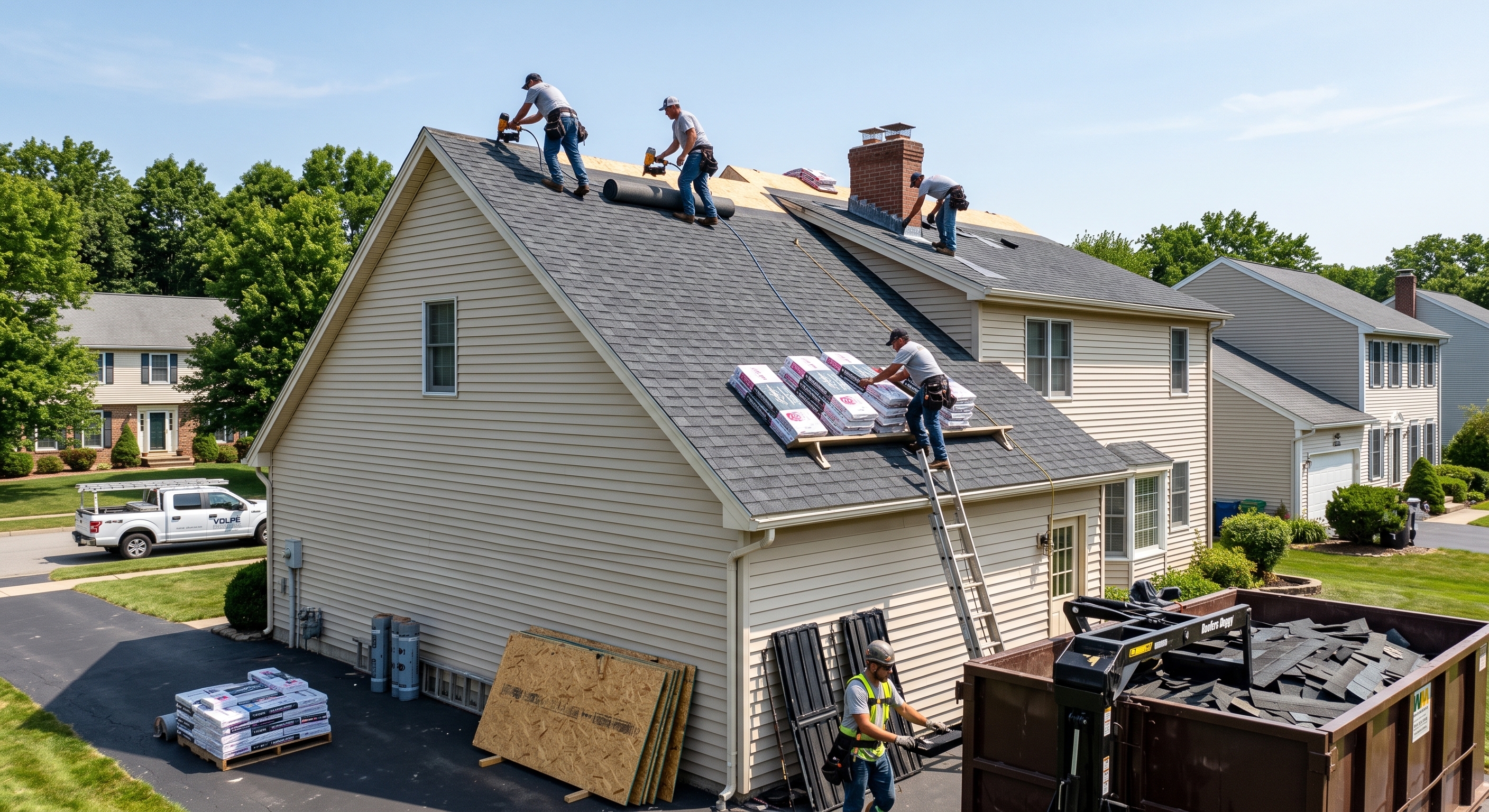

Replacing a roof is one of the bigger home improvement projects most homeowners face, and the final price depends on more than the shingles you choose. If you are trying to answer how much does a new roof cost, the most useful starting point is a realistic range, followed by the factors that push your estimate up or down. Asphalt shingles remain one of the most common choices because they balance cost, appearance, availability, and performance.
How much does a new roof cost?
A new roof cost can range widely, but many asphalt shingle roof replacements price differently depending on roof size, shingle type, labor, removal, repairs, and local requirements.
Many homeowners ask, “how much is a new roof?” and expect one simple number. The challenge is that two homes with the same floor plan can have very different roofs. Pitch, roof height, valleys, chimneys, skylights, ventilation, old decking, and tear-off requirements all affect the work involved.
What affects roof asphalt shingles prices?
Roof asphalt shingles prices are shaped by the shingle tier, the size and shape of the roof, labor conditions in your area, and the condition of the layers underneath the existing roof. Basic shingles cost less up front, while upgraded architectural or premium shingles may improve appearance, wind resistance, and expected service life. The best choice is not always the cheapest shingle; it is the option that fits your budget, climate, and how long you plan to stay in the home.
Asphalt shingles generally fall into three practical categories:
- 3-tab shingles: Usually the budget-friendly option. They have a flatter, simpler look and may be appropriate for rental properties, starter homes, or projects where keeping the initial asphalt shingle roof cost low is the priority.
- Architectural shingles: Often the middle-ground choice. They are thicker than 3-tab shingles, create more visual depth, and are commonly selected for residential roof replacements.
- Premium architectural shingles: Designed for a more dimensional appearance and stronger performance features. They cost more, but may make sense for homeowners who want better curb appeal or a longer-lasting roof system.
When comparing bids, make sure each contractor is pricing the same shingle class. A quote for basic 3-tab shingles should not be compared directly with a quote for premium architectural shingles unless the difference is clearly understood.
The biggest cost drivers behind a roof replacement
The roof cost you see on an estimate is a combination of materials, labor, disposal, accessories, and business overhead. Labor is often one of the largest portions of the job because roof replacement is physically demanding, weather-sensitive, and detail-heavy. A skilled crew is not just installing shingles; they are protecting the home from water intrusion, managing ventilation, integrating flashing, and correcting issues found during tear-off.
Roof size and square footage
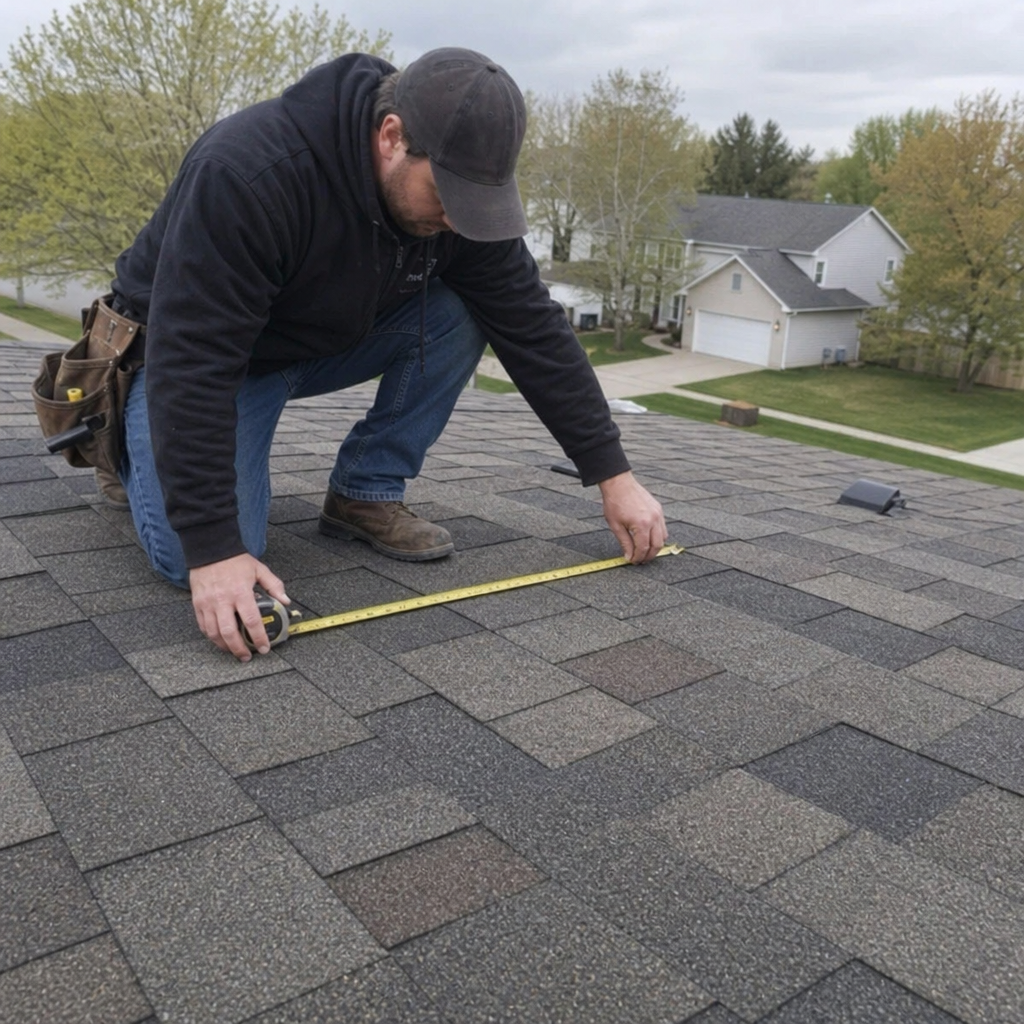
Roofing is usually estimated by roof surface area, not the home’s interior square footage. A 1,500-square-foot home may have more or less than 1,500 square feet of roofing depending on the roof design, slope, overhangs, garage, porches, and additions. This is one reason online calculators can only provide a rough average cost of roof replacement.
More square footage means more shingles, underlayment, nails, flashing, ridge caps, vents, disposal, and labor hours. Even a small difference in roof area can noticeably change the total.
Pitch, height, and access
A steep roof is harder and riskier to work on than a low-slope roof. Crews may need additional safety equipment, slower installation methods, and more time to move materials. Roof height also matters because carrying shingles, removing debris, and protecting landscaping become more involved on taller homes.
Access can also affect the estimate. A roof that is easy to reach from a driveway is usually simpler to stage than one on a tight lot with limited parking, dense landscaping, or difficult debris removal.
Roof complexity
A simple gable roof is usually less expensive to replace than a roof with multiple valleys, dormers, skylights, chimneys, roof-to-wall transitions, and intersecting planes. Every detail requires cutting, flashing, sealing, and careful workmanship. Those areas are also where leaks often develop when installation is rushed or poorly done.
Complexity does not just add material waste. It adds time, supervision, and installation precision. That is why two roofs with similar square footage can have very different estimates.
How much does a roof replacement cost beyond shingles?
The shingles are only one part of the full system, so how much does a roof replacement cost depends heavily on what must be removed, repaired, and rebuilt before the new shingles go on. Common add-ons include tear-off and disposal, decking replacement, underlayment, ice and water barrier, flashing, ventilation, permits, and code-related upgrades. A complete estimate should show these items clearly so you can understand how much to replace a roof without being surprised midway through the project.
Here are common expenses that may appear beyond the shingle line item:
- Tear-off and disposal: Removing old shingles often costs extra, but it allows the contractor to inspect the roof deck and correct hidden problems. Installing over old shingles may save money initially, but it can hide damage and may reduce the quality of the finished roof.
- Decking replacement: If plywood or oriented strand board is soft, rotten, delaminated, or damaged, it should be replaced before new shingles are installed. This is one of the most common surprise costs because damage is not always visible before tear-off.
- Underlayment: This protective layer sits between the decking and shingles. It helps shed water and provides added protection if wind-driven rain gets under the shingles.
- Ice and water barrier: In colder or wet climates, this barrier may be needed at eaves, valleys, penetrations, and other vulnerable areas. Local code and climate often influence how much is required.
- Flashing: Metal flashing around chimneys, walls, skylights, and vents helps direct water away from seams. Reusing old flashing may be risky if it is bent, corroded, or poorly installed.
- Ventilation components: Ridge vents, intake vents, and other ventilation upgrades help regulate heat and moisture in the attic. Poor ventilation can shorten roof life.
- Permits and inspections: Some areas require permits for roof replacement. Permit fees vary by location and should be included in the proposal when applicable.
A good roofing estimate should identify which items are included, which are allowances, and which are billed only if needed.
Why asphalt shingles remain a budget-friendly roofing choice
Asphalt shingles are popular because they typically cost less than many premium roofing materials while still offering dependable protection when installed correctly. Compared with metal, tile, slate, or wood, asphalt often has a lower initial roof replacement cost and is easier for many contractors to source and install. That availability can also help when repairs are needed later.
This does not mean asphalt is automatically the right choice for every home. Metal may last longer in some settings, tile may fit certain architectural styles, and slate may offer exceptional longevity. However, for many homeowners asking how much does a roof cost, asphalt shingles provide a practical balance: manageable upfront cost, many style options, and a familiar installation process.
The tradeoff is lifespan. Asphalt shingles often last around 15 to 30 years depending on shingle quality, weather exposure, ventilation, installation, and maintenance. Choosing a better shingle and a reliable contractor can help protect the value of the project.
A practical way to build your roofing budget
Instead of relying on one broad national number, build your budget in layers. This makes it easier to compare quotes and understand where your money is going.
Start with this simple planning framework:
- Estimate roof size: Use contractor measurements rather than guessing from home square footage. Roof surface area is what matters.
- Choose a shingle tier: Decide whether 3-tab, architectural, or premium architectural shingles fit your goals.
- Add tear-off and disposal: Ask whether old roof removal is included and how debris will be handled.
- Plan for hidden repairs: Set aside a contingency for decking, fascia, flashing, or ventilation corrections.
- Include local requirements: Permits, ice barriers, wind-rated materials, or inspection needs can affect the total.
- Compare complete systems: Make sure quotes include underlayment, starter strips, ridge caps, vents, flashing, and workmanship details.
For example, if you begin with an installed asphalt shingle range and then add removal, possible decking replacement, upgraded underlayment, and permit costs, your final number may be higher than the basic per-square-foot price you saw online. That does not mean the contractor is overcharging. It may mean the first number did not include the whole roof system.
Reading roofing quotes without getting overwhelmed
Roofing estimates can be confusing because contractors do not always organize them the same way. One bid may show a single lump sum, while another breaks out materials, labor, tear-off, disposal, permits, and optional upgrades. The lowest number is tempting, but it may not represent the best value if important details are missing.
When reviewing quotes, look for:
- The shingle manufacturer, product line, color, and warranty type
- The number of existing layers to be removed
- Whether decking replacement is included as a fixed price or per-sheet charge
- The type of underlayment and where ice and water barrier will be installed
- New flashing details, especially around chimneys, walls, and skylights
- Ventilation improvements or confirmation that existing ventilation is adequate
- Cleanup process, magnetic nail sweep, and property protection
- Workmanship warranty terms and what they actually cover
- Payment schedule and change-order process
If a contractor cannot explain the estimate clearly, that is a warning sign. A good roofer should be able to walk you through the scope in plain language and show how the roof cost is built.
Insurance, financing, and timing considerations
If your roof was damaged by a storm, insurance may play a role. Coverage depends on your policy, deductible, roof age, cause of damage, and the adjuster’s findings. It is wise to document damage, avoid unnecessary delays, and speak with your insurance company before authorizing major work connected to a claim.
Financing can also affect how you evaluate the project. Some homeowners choose a higher-quality shingle because financing spreads the cost over time, while others prefer to minimize the total loan amount. Either way, compare the full cost of financing, not just the monthly payment.
Timing matters too. Emergency replacements after active leaks may leave less room to compare options. If your roof is near the end of its life but not failing yet, getting estimates early can help you choose materials carefully and avoid rushed decisions.
Smart ways to control costs without cutting corners
You do not have to choose the most expensive option to get a reliable roof. The goal is to reduce waste, avoid unclear quotes, and spend money where it protects the home.
Use this checklist before signing:
- Get at least two or three detailed estimates for the same scope.
- Ask each contractor to separate required work from optional upgrades.
- Confirm whether the estimate includes tear-off, disposal, permits, and cleanup.
- Ask how decking repairs are priced if damage is found.
- Avoid skipping underlayment, flashing, or ventilation details to save a small amount.
- Check that the contractor is properly licensed or registered where required.
- Review workmanship warranty language before choosing a bid.
- Do not base the decision only on the lowest price.
The best way to manage roof replacement cost is to prevent vague assumptions. If an estimate simply says “replace roof” without explaining the system, ask for more detail.
The real answer to how much to replace a roof
The real answer to how much to replace a roof is that it depends on your roof’s size, design, condition, material choice, and local labor market. For asphalt shingles, many homeowners can start planning around a broad range of several dollars per square foot installed, then adjust for tear-off, repairs, accessories, and code requirements. A trustworthy contractor’s inspection is what turns the average cost of roof replacement into a realistic number for your home.
If you are comparing options, focus on total value rather than the cheapest shingle bundle. A roof is a system, and its performance depends on every layer working together. When the materials, ventilation, flashing, and installation are handled correctly, asphalt shingles can be a cost-effective way to protect your home for years.
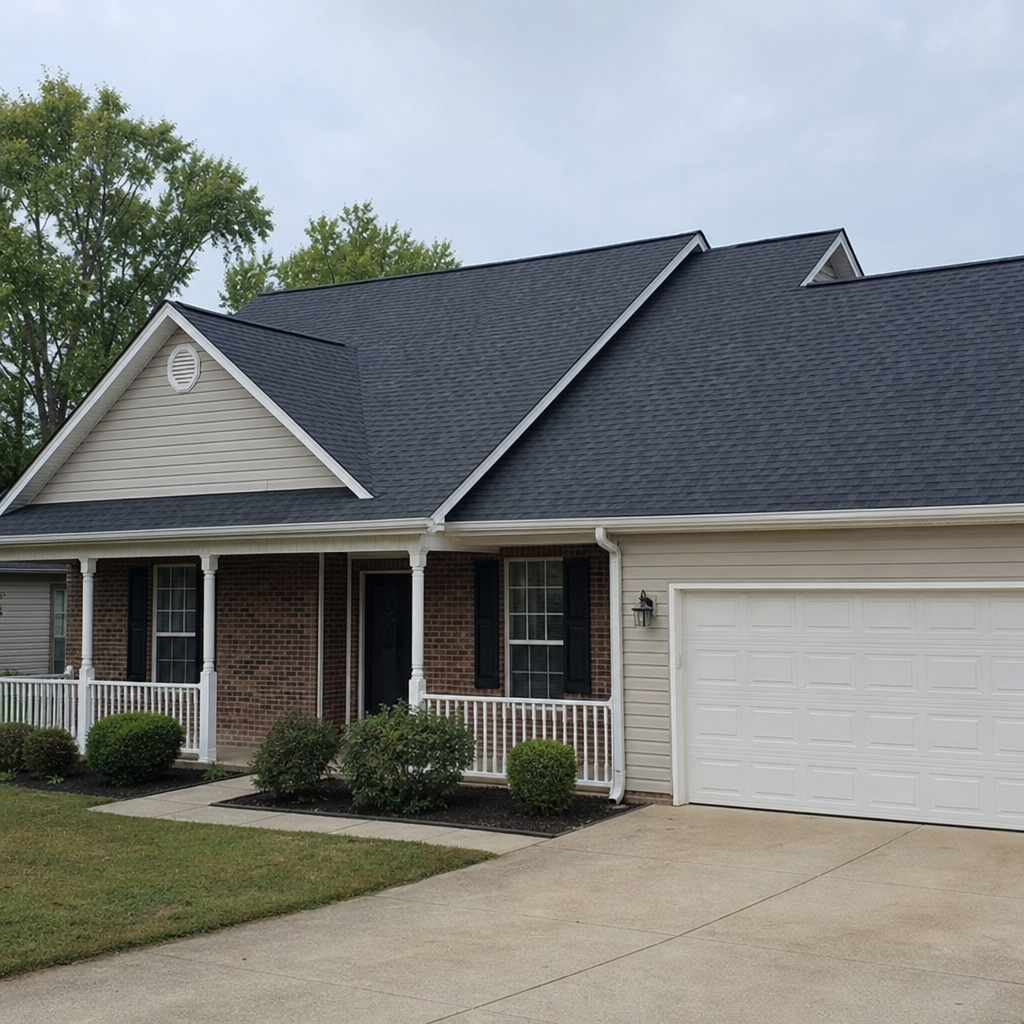
Understanding how much does a roof cost starts with knowing what is included. Shingles matter, but labor, tear-off, decking, underlayment, flashing, ventilation, permits, and workmanship all shape the final price. Use online ranges for early planning, then rely on detailed local estimates to make the decision with confidence.
A clear quote should help you see exactly what you are paying for and why. With the right information, you can choose an asphalt shingle roof that fits your budget, protects your home, and avoids the most common surprises during replacement.