

How to Reseal Windows: A Step-by-Step Guide
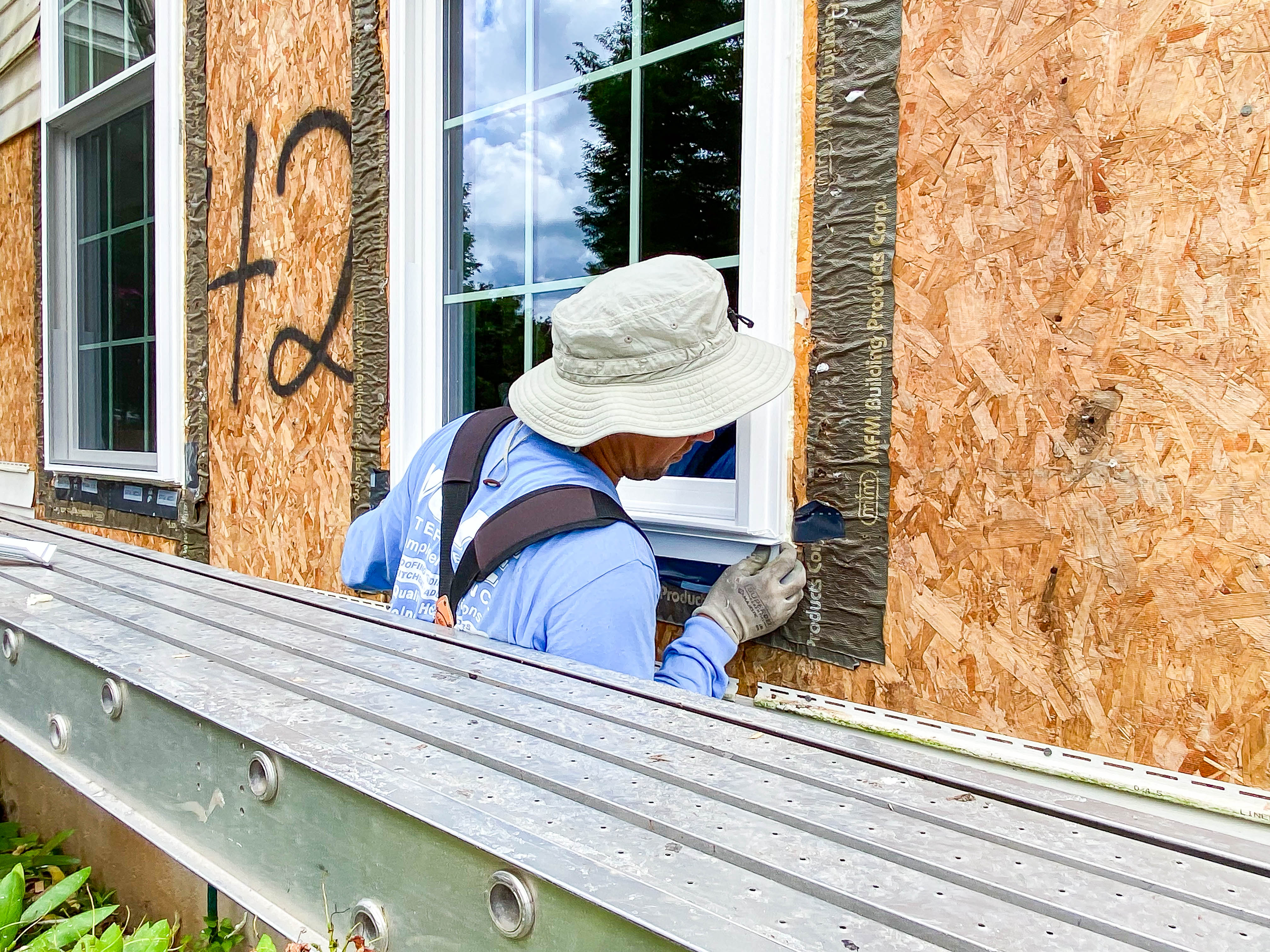

A drafty window in winter or a damp sill after a storm usually points to one thing: failed caulk or weatherstripping. Resealing windows is one of the more approachable home maintenance jobs, and doing it before winter can noticeably cut down on energy loss and moisture problems. Here's how it's done, and how to tell when the issue goes beyond what resealing can fix.
Signs Your Windows Need Resealing
Before grabbing a caulk gun, confirm resealing is actually the fix you need.
- Noticeable draft near the window frame, even with it fully closed
- Cracked, peeling, or missing caulk around the exterior frame
- Water staining or dampness on the sill or interior wall below the window
- A visible gap between the window frame and the siding or trim
- Higher than usual heating or cooling bills with no other explanation
What You'll Need
- Exterior-grade silicone or polyurethane caulk
- Caulk gun
- Utility knife or caulk removal tool
- Painter's tape
- Rag and rubbing alcohol
- Weatherstripping (if the sash itself is drafty, not just the frame)
Step 1: Remove the Old Caulk
Use a utility knife or caulk removal tool to score and pull out the old, cracked caulk around the window's exterior frame. Getting a clean surface matters more than most people expect, since new caulk won't bond well over old, failing caulk.
Step 2: Clean the Surface
Wipe down the area with a rag and rubbing alcohol to remove dust, debris, and any residue left behind. Let it dry fully before moving on.
Step 3: Tape Off the Edges
Run painter's tape along both sides of the gap you're about to fill. This keeps your caulk line straight and makes cleanup much easier.
Step 4: Apply the New Caulk
Cut the caulk tube tip at a 45-degree angle, sized to the gap you're filling. Apply steady, even pressure as you run the bead along the seam, then smooth it with a wet finger or a caulk smoothing tool before it skins over.
Step 5: Remove the Tape and Let It Cure
Pull the painter's tape while the caulk is still slightly wet, at roughly a 45-degree angle, to avoid pulling up the bead itself. Most exterior caulks need 24 hours to fully cure, so avoid touching or getting the area wet during that window.
Step 6: Check the Weatherstripping
If the draft is coming from where the window sash meets the frame rather than the exterior seam, caulk won't solve it. That's a weatherstripping issue, and it typically needs to be replaced rather than resealed.
When Resealing Isn't Enough
Resealing solves surface-level gaps, but it won't fix everything. If you're seeing any of the following, the window itself, not just the seal, likely needs attention:
- Fogging or condensation between the panes of a double-pane window
- Wood rot or soft spots in the frame
- A sash that won't stay open or doesn't close flush
- Repeated resealing in the same spot year after year
These usually point to a failing seal inside the glass unit or a frame that's reached the end of its usable life, both of which are replacement issues rather than a maintenance fix.
Not Sure If It's a Reseal or a Replacement?
Resealing is a great fix for a lot of window drafts, but it's not always the right call, especially on older windows where the frame or glass seal has already broken down. Go Volpe offers window inspections and replacement across Montgomery County, and our team can tell you honestly whether a reseal will hold or if it's time to talk about new windows.
Request your free window quote today.