

How Rotting Soffit and Fascia Damage Your Roof (And How PVC Wrapping Fixes It)
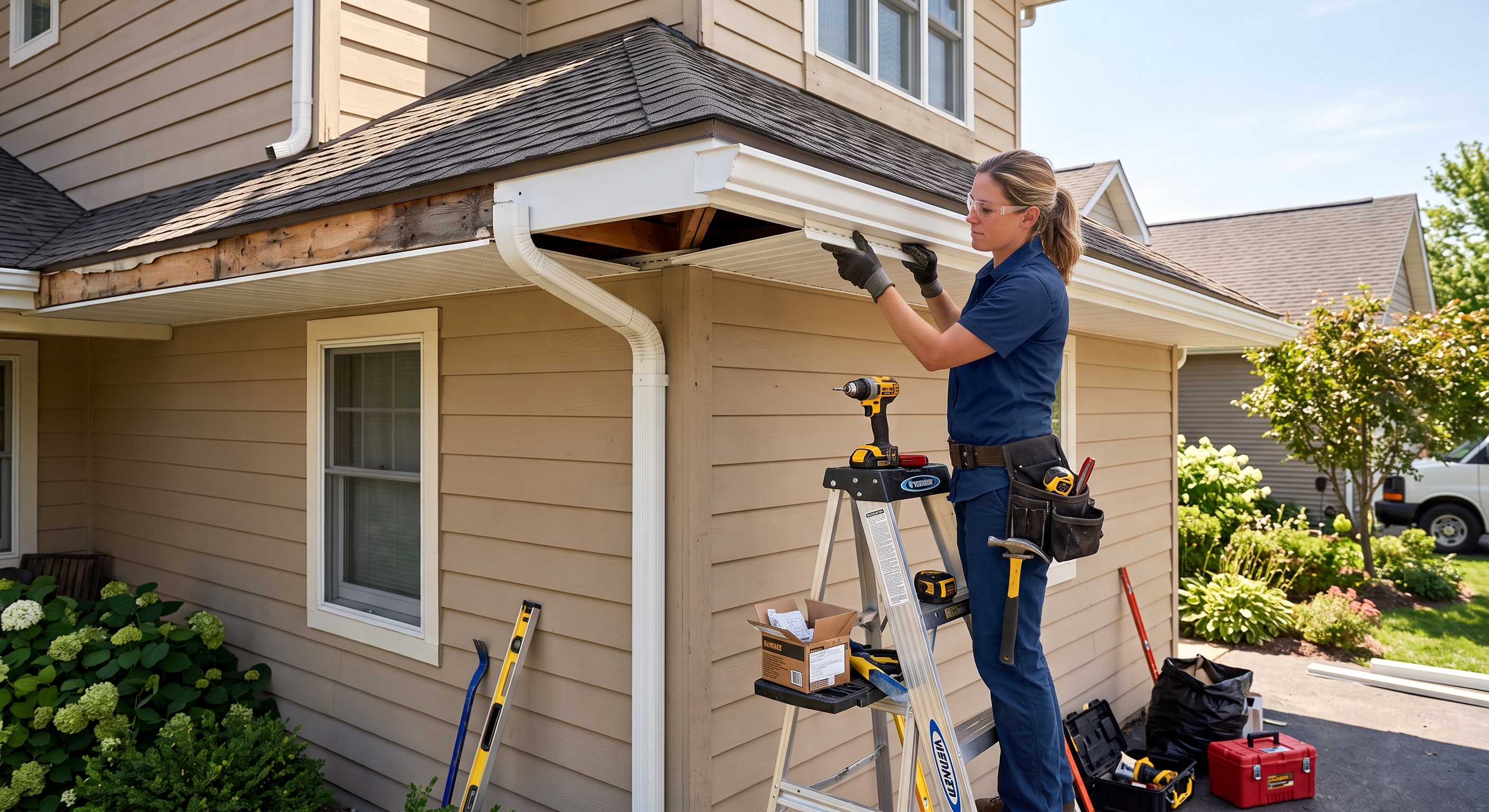
Soffit and fascia sit at the edge of your roofline, quietly doing two important jobs: protecting the roof structure from the elements and supporting proper attic ventilation. They're also among the most overlooked parts of a home's exterior, which means rot often goes unnoticed until it's caused damage well beyond the trim itself.
What Soffit and Fascia Actually Do
Fascia is the vertical board that runs along the edge of your roofline, providing a finished edge and a mounting point for gutters. It's also a key structural connection point between your roof and the rest of the exterior.
Soffit is the material underneath the roof's overhang, covering the underside of the eaves. Beyond its finished appearance, soffit typically includes ventilation that allows air to flow into the attic, which is essential for regulating temperature and moisture.
How Soffit and Fascia Rot Actually Starts
Rot in this area typically begins with one of a few common causes:
Gutter overflow or leaks. Water spilling over damaged or clogged gutters runs directly down the fascia board, keeping it consistently wet in a way it wasn't designed to handle.
Roof leaks at the eaves. Water that gets under shingles near the roofline can travel down and collect at the fascia and soffit before it ever shows up as a visible interior leak.
Poor ventilation. Ironically, soffit that isn't ventilating properly can trap moisture in the attic, which then condenses and affects the wood from the inside.
Age and material exposure. Traditional wood soffit and fascia are simply more vulnerable to sun, moisture, and temperature cycling over time than more modern materials.
How Rotting Soffit and Fascia Damage Spreads to Your Roof
This is where a seemingly minor trim issue becomes a bigger problem. Once fascia begins to rot, it can no longer properly support the gutter system attached to it, leading to sagging gutters that then overflow even more, accelerating the damage in a feedback loop.
Rotting soffit compromises attic ventilation, which affects moisture regulation in the attic space and, over time, can contribute to roof deck deterioration from the underside. In colder months, poor ventilation combined with heat loss into the attic can also contribute to ice dam formation, since uneven roof surface temperatures cause snow to melt and refreeze unevenly at the eaves.
Left unaddressed long enough, soffit and fascia rot can also spread into the adjacent roof decking and rafter tails, turning what started as an exterior trim repair into a more significant structural repair.
Signs of Soffit and Fascia Rot to Watch For
- Soft, spongy, or crumbling wood when gently pressed near the roofline
- Peeling or bubbling paint on the fascia board
- Visible gaps between the fascia and the gutter system
- Water stains or discoloration on the soffit
- Increased pest activity, particularly wasps or squirrels, near the roofline
- Sagging gutters that seem to be pulling away from the house
How PVC Wrapping and Aluminum Fascia Wrap Solve the Problem
Once rot is caught and any damaged wood is repaired or replaced, PVC wrapping and aluminum fascia wrap are the two most common low maintenance exterior trim installation solutions to prevent the problem from recurring.
PVC trim wrapping covers the fascia and soffit area in a durable, moisture-resistant PVC material that won't rot, warp, or require repainting. It holds paint or comes pre-finished in a range of colors, giving a clean, finished look that lasts significantly longer than exposed wood.
Aluminum fascia wrap covers the fascia board in a formed aluminum sheet, protecting the wood underneath from direct moisture exposure while maintaining a clean, painted appearance without the need for repainting.
Both options address the root vulnerability: wood exposed directly to weather. By wrapping the vulnerable areas rather than leaving bare wood exposed, homeowners significantly reduce the chance of repeat rot, without the ongoing maintenance that painted wood trim requires.
Why Catching This Early Matters
Soffit and fascia repair caught early is typically a straightforward, contained project. Left unaddressed, it can escalate into roof deck repair, gutter system replacement, and even interior damage if moisture makes its way further into the home. The cost difference between an early trim repair and a delayed structural repair is often significant.
Frequently Asked Questions
How do I know if my soffit or fascia is rotting?
Look for soft or spongy wood near the roofline, peeling paint, sagging gutters, water stains, or increased pest activity around the eaves. A close inspection, ideally from a ladder or by a professional, is the most reliable way to confirm rot before it spreads.
Does rotting fascia affect my roof warranty?
It can, depending on the manufacturer and the extent of damage, particularly if unaddressed fascia or soffit issues contribute to roof deck damage. Addressing rot promptly helps protect both your roof's condition and any applicable warranty coverage.
What's the difference between PVC wrapping and aluminum fascia wrap?
PVC wrapping is a solid trim material that replaces or covers damaged wood entirely, while aluminum fascia wrap is a thin, formed metal covering applied over existing fascia to protect it from moisture. Both are low-maintenance alternatives to painted wood trim.
Can soffit and fascia rot cause roof leaks?
Indirectly, yes. Rot in this area often signals or contributes to moisture issues at the roofline, including compromised ventilation and gutter function, both of which can accelerate roof deck damage and increase leak risk over time.
Catch Rot Before It Spreads to Your Roof
Soffit and fascia issues rarely stay contained if left alone, and the earlier they're addressed, the simpler and less costly the fix. A quick evaluation can tell you exactly where you stand.
Get a free exterior trim estimate to catch wood rot before it spreads.