

The Ultimate Guide to Composite Wood Siding: Is Synthetic Wood Right for Your Home?
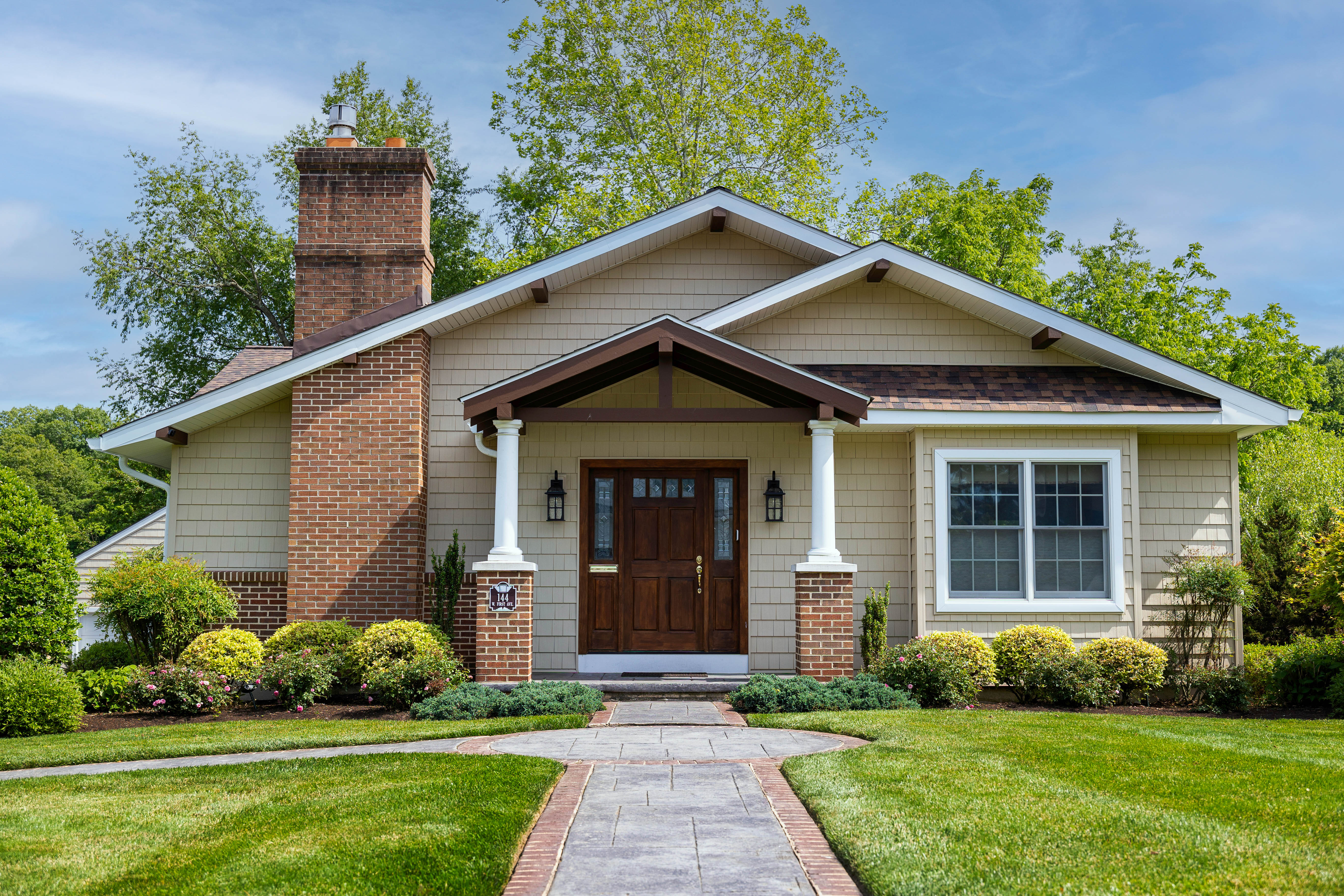

When it comes to upgrading your home’s exterior, finding the right balance between natural beauty, long-term durability, and low maintenance can feel like a challenge. Traditional wood siding offers undeniable charm and character, but it comes with a steep cost: regular staining, painting, vulnerability to rot, and susceptibility to wood-boring pests.
Enter composite wood siding—the modern exterior solution engineered to deliver the authentic look of real timber without any of the high-maintenance headaches.
Whether you're planning a full home renovation or exploring replacement options for aging cladding, here is everything you need to know about synthetic wood siding, how composite siding panels work, and why this engineered material is becoming the preferred choice for homeowners today.
What Is Composite Wood Siding?
Siding composite materials are engineered cladding products made from a blend of natural wood fibers, heavy-duty resins, binding agents, and protective waxes. Through high-pressure manufacturing processes, these ingredients are compressed to create dense, highly durable boards and panels that mimic the texture, grain, and warmth of authentic cedar, pine, or redwood.
Unlike traditional solid wood—which shrinks, expands, and decays when exposed to harsh weather—synthetic wood siding is engineered specifically to withstand moisture, severe temperature swings, and UV exposure.
The Benefits of Choosing Synthetic Wood Siding
Choosing the right material for your home's exterior affects not only your curb appeal but also your long-term maintenance budget and property value. Here’s why engineered composite is gaining momentum over traditional options:
1. Authentic Wood Aesthetic Without the Rot
Modern manufacturing techniques allow composite siding panels to feature deep, natural wood-grain textures that are virtually indistinguishable from real wood from the curb. You get the classic warmth of traditional cedar or lap siding without worrying about moisture absorption, cupping, or fungal decay.
2. Exceptional Durability & Impact Resistance
Because composite wood siding is bound with specialized resins and protective coatings, it offers far superior impact resistance compared to standard vinyl or natural wood. It easily withstands severe hail, windblown debris, and accidental bumps from yard equipment.
3. Resistance to Pests and Moisture
One of the biggest flaws of natural timber is its susceptibility to termites, carpenter ants, and woodpeckers. Synthetic wood siding offers no nutritional value or nesting environment for pests, making it completely immune to insect damage and wood rot.
4. Low Maintenance Requirements
Forget spending your weekends scraping paint, filling cracks, or reapplying wood stain every 3 to 5 years. Synthetic wood options come factory-finished with advanced UV-resistant coatings that hold color for decades. Cleaning usually requires nothing more than an occasional rinse with a garden hose and mild soap.
5. Superior Dimensional Stability
Unlike natural wood that swells in high humidity and contracts during freezing temperatures—leading to cracked paint and popped nails—composite wood siding maintains its shape and structural integrity in all weather conditions.
Composite Siding Panels vs. Lap Siding: Which Style Is Right for You?
When choosing a composite siding system, you’ll find several architectural profiles to fit your home's style:
- Composite Siding Panels: Large-format vertical or smooth panels that are ideal for modern, contemporary, or board-and-batten architectural designs. They provide clean lines, fewer seams, and faster installation coverage.
- Traditional Horizontal Lap Siding: Classic overlapping boards that replicate timeless horizontal clapboard or bevel wood siding, perfect for Colonial, Craftsman, and suburban home designs.
- Cedar Shingle & Shake Composites: Engineered shakes that give homes a coastal or rustic aesthetic without the curling or splitting associated with real cedar shingles.
How Composite Compares to Other Popular Siding Materials
Professional Installation Matters
While composite materials offer incredible long-term reliability, their performance depends entirely on precision installation. Proper moisture barriers, flashing, expansion gaps, and corrosion-resistant fasteners are essential to ensure your new exterior performs as intended for decades.
If you’re considering upgrading your home with composite wood siding, working with an experienced, certified contractor ensures your investment is backed by full manufacturer warranties and built to withstand local weather demands.
Ready to Transform Your Home's Exterior?
At Volpe Enterprises, Inc., we specialize in high-performance siding replacement and installation. Contact our team today to schedule a consultation, explore composite material samples, and receive a free estimate for your home!