
Flat Roof Replacement Options for Residential and Commercial Properties: EPDM vs. TPO
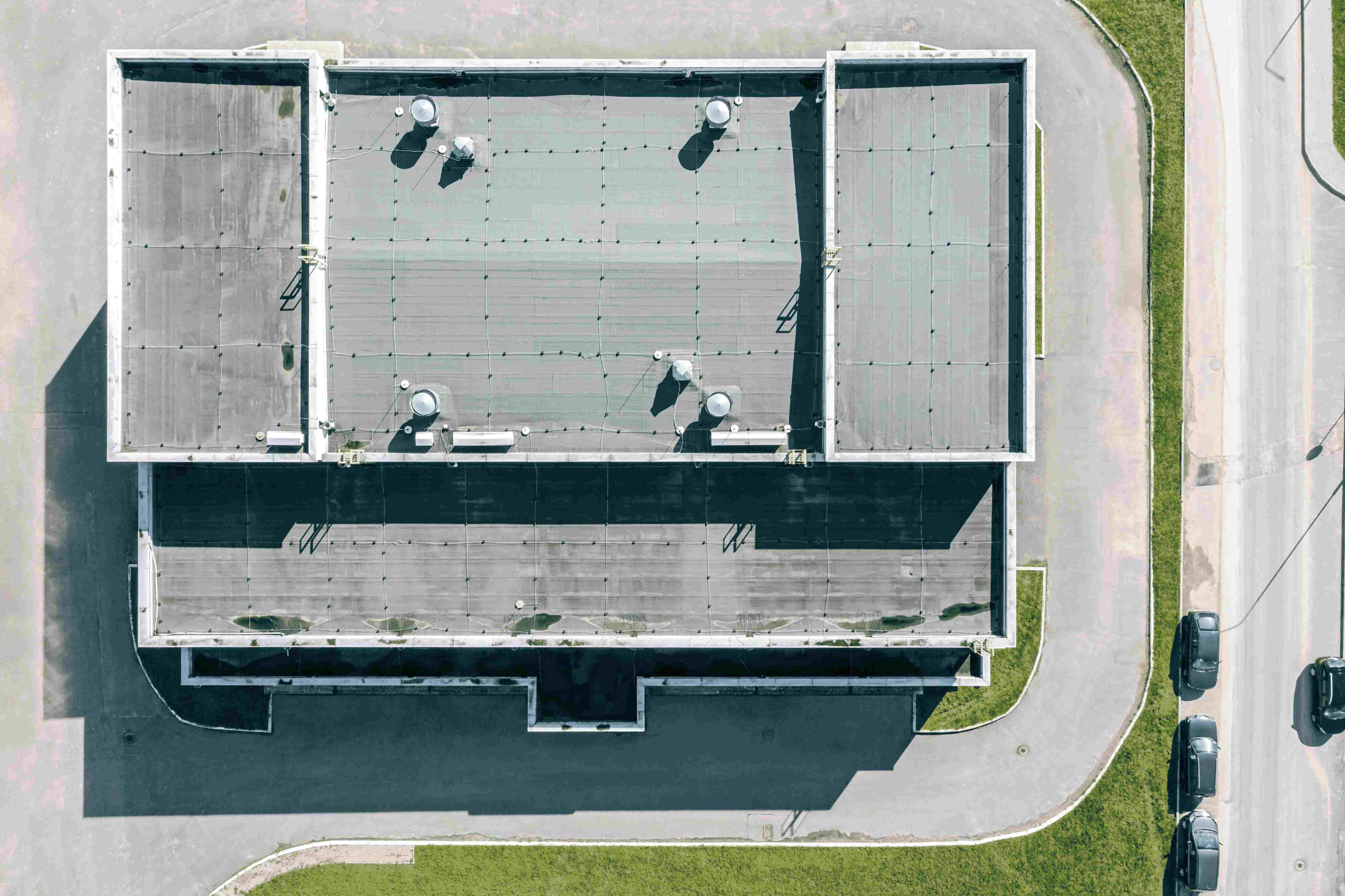
Flat and low-slope roofing shows up on home additions, garages, porches, and the majority of commercial buildings, and it wears differently than a pitched shingle or metal roof. When it's time for flat roof replacement, the two most common membrane options are EPDM rubber roofing and TPO. Both are proven systems, but they perform differently depending on your building type, climate exposure, and budget.
EPDM Roofing (Rubber Membrane)
EPDM, short for ethylene propylene diene terpolymer, has been a standard in flat roofing for decades, known for its simplicity and long track record.
Durability: EPDM is highly resistant to UV degradation, ozone exposure, and temperature extremes, with a typical lifespan of 20 to 25 years, and sometimes longer with proper maintenance.
Cost: EPDM is generally one of the more budget-friendly membrane options for both residential and commercial flat roofs.
Color and reflectivity: Traditional EPDM is black, which absorbs heat rather than reflecting it. This can be a consideration for cooling costs in buildings with significant flat roof area.
Repair and maintenance: Rubber roof repair for EPDM is well understood by most commercial roofing contractors, and patching is generally straightforward when punctures or seam issues occur.
Best for: Properties where budget is a primary concern and where the black membrane's heat absorption isn't a significant cooling cost factor.
TPO Roofing (Thermoplastic Polyolefin)
TPO has grown significantly in popularity over the past two decades, particularly for commercial applications, due to its reflective properties and heat-welded seams.
Durability: TPO typically lasts 15 to 20 years, with heat-welded seams that create a strong, continuous bond, reducing the risk of seam failure compared to adhered or taped seams.
Cost: TPO installation costs are generally comparable to or slightly higher than EPDM, depending on the market and installer.
Color and reflectivity: TPO is most commonly white or light-colored, reflecting sunlight rather than absorbing it. This can meaningfully reduce cooling costs in warmer months, which is part of why TPO roofing installers see strong demand for commercial buildings with large flat roof footprints.
Repair and maintenance: TPO's heat-welded seams are durable, but repairs typically require specialized welding equipment rather than simple adhesive patching.
Best for: Properties prioritizing energy efficiency and cooling cost reduction, particularly larger commercial buildings.
EPDM vs. TPO at a Glance
Residential vs. Commercial Considerations
Residential flat roofs, often found on additions, porches, or modern architectural styles, tend to be smaller in scope, making the cost difference between EPDM and TPO less dramatic in total dollars, even if the per-square-foot pricing varies.
Commercial roofing projects typically cover much larger areas, where TPO's reflectivity can translate into more significant energy savings over time, while EPDM's lower material cost can still make sense for buildings where cooling costs are less of a driving factor.
Commercial roofing contractors in PA generally recommend evaluating both the roof's total square footage and the building's HVAC load before deciding, since the larger the roof, the more the reflectivity difference actually matters to your utility bills.
Signs Your Flat Roof Needs Replacement, Not Just Repair
- Widespread ponding water that doesn't drain within 48 hours after rain
- Multiple seam failures across different areas of the roof
- Membrane that's become brittle, cracked, or is visibly deteriorating across large sections
- Repeated leaks in different locations despite previous repairs
- The roof is approaching or past its expected material lifespan
Frequently Asked Questions
Is TPO or EPDM better for a flat roof?
Neither is universally better. EPDM offers a lower upfront cost and long track record, while TPO offers better heat reflectivity and energy efficiency, particularly beneficial for larger commercial roofs. The right choice depends on your budget and cooling cost priorities.
How long does a TPO roof last?
TPO roofing typically lasts 15 to 20 years with proper installation and maintenance, though lifespan can vary based on membrane thickness and climate exposure.
Can a flat roof be repaired instead of replaced?
Often, yes, for isolated issues like a single seam failure or puncture. However, widespread ponding, multiple leak points, or membrane nearing the end of its expected lifespan usually point toward replacement being the more cost-effective long-term choice.
Do commercial flat roofs need different materials than residential ones?
Not necessarily different materials, but commercial roofs are typically larger, which changes the cost-benefit calculation, especially around energy efficiency and reflectivity, that residential flat roof decisions don't weigh as heavily.
Get a Flat Roof Assessment From Our Commercial Exterior Team
Whether you're managing a commercial property or handling a flat-roofed section of your home, choosing between EPDM and TPO comes down to your building's specific needs and budget. Our team can walk you through both options based on your actual roof.
Need a flat roof estimate? Request a quote from our commercial exterior team.