
Find Trusted TPO Roofers Near Me
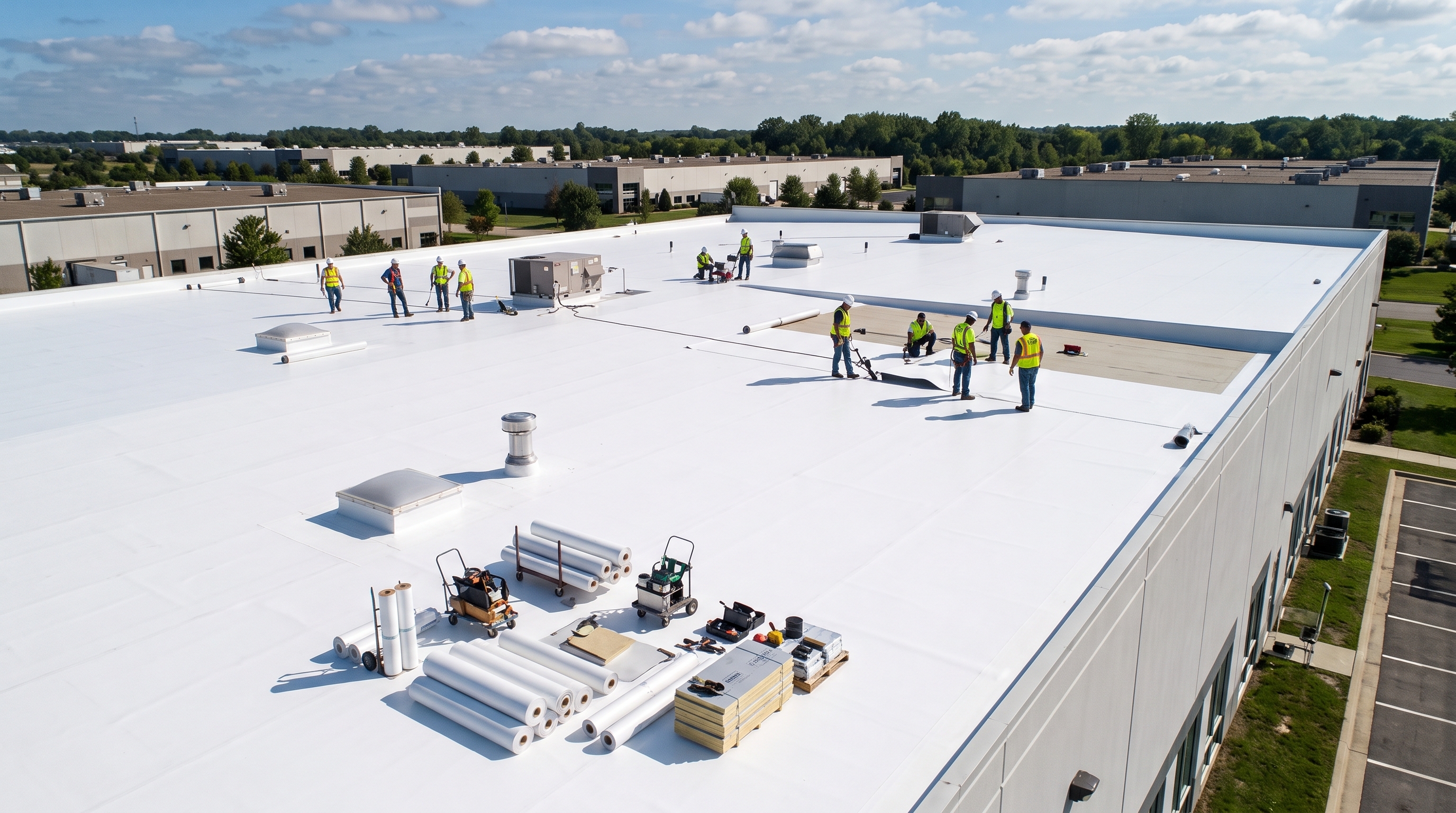

Searching for a “roofing contractor near me” can feel simple until you start comparing licenses, warranties, materials, estimates, and repair timelines. If your home or commercial building has a flat or low-slope roof, TPO roofing may be one of the most practical options to discuss with local contractors. This guide explains what TPO is, how to evaluate local roofers, what affects cost, and how to avoid common hiring mistakes.
What should you look for in TPO roofers near you?
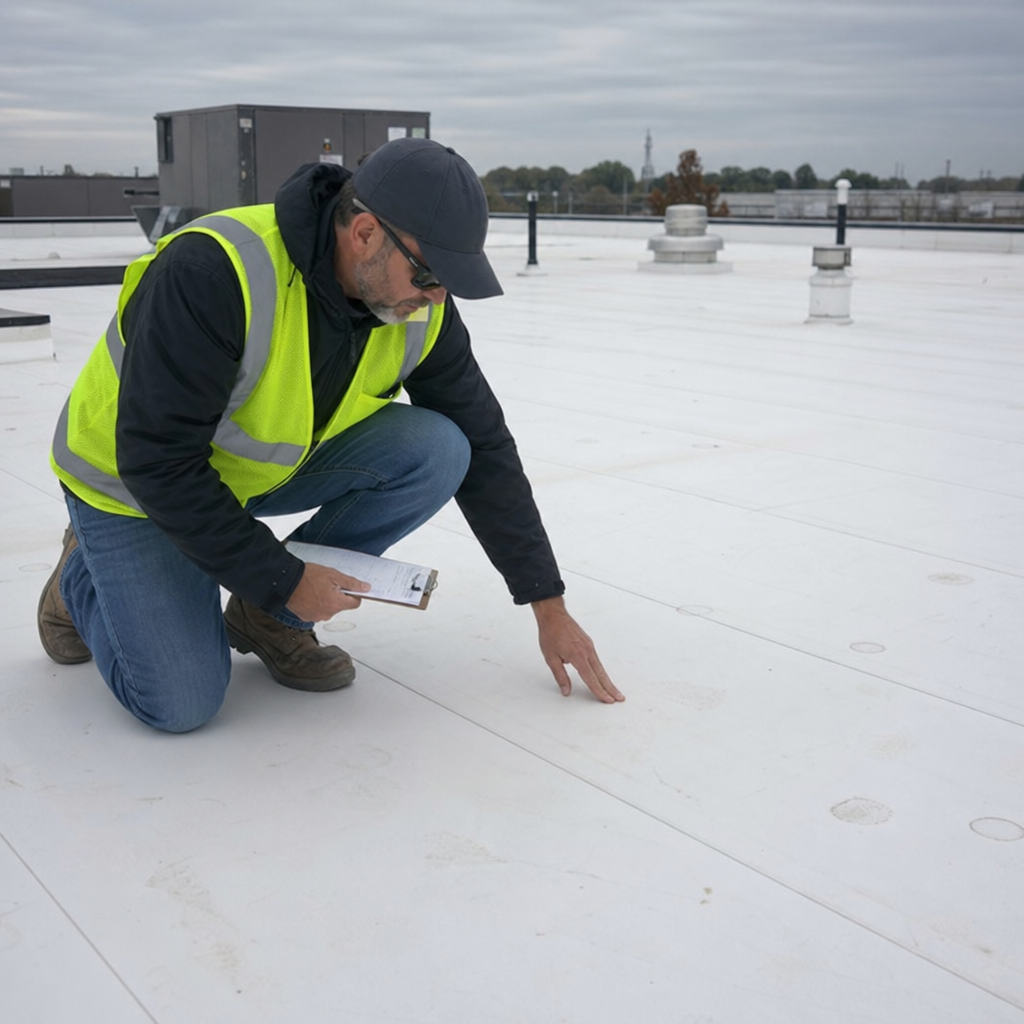
A reliable TPO roofer should have proven experience with flat or low-slope roofing, proper licensing and insurance, clear inspection practices, and written warranty terms. The best choice is not always the lowest estimate; it is the contractor who can explain the roof system, document the condition of your roof, recommend the right installation method, and stand behind the work after the project is complete.
When you search for “roofers near me” or “roofing companies near me,” you will likely see a long list of businesses that appear similar at first glance. Look closer. TPO requires different skills than asphalt shingle installation, especially around seams, drains, penetrations, flashing, and ponding water. A contractor who works mostly on steep-slope residential roofs may not be the right fit for a membrane system.
A strong local contractor should be willing to walk you through the roof’s current condition, explain whether repair or replacement makes more sense, and answer questions without pressuring you. If the roof is for a business, apartment building, warehouse, or other commercial property, ask whether the contractor regularly handles projects of that scale.
TPO roofing basics for property owners
TPO, short for thermoplastic polyolefin, is a single-ply roofing membrane commonly used on flat and low-slope roofs. It is often white or light-colored, which can help reflect sunlight and support better indoor comfort during hot weather. Its flexibility also makes it useful on roofs with movement, penetrations, or equipment such as vents and HVAC units.
TPO is popular because it balances durability, energy performance, and repairability. Seams are typically heat-welded, creating a strong bond when installed correctly. That seam quality matters. Poor welding, rushed prep work, or incorrect detailing can lead to leaks even if the membrane itself is a good product.
TPO is not automatically the right choice for every building. It is usually best suited to flat or low-slope applications. If you have a pitched roof, a contractor may recommend asphalt shingles, metal roofing, tile, or another system depending on the structure, budget, style, and local conditions.
Why TPO works well on flat and low-slope roofs
Flat roofs face different challenges from pitched roofs. Water does not run off as quickly, debris can collect in low spots, and rooftop equipment creates more seams and flashing points. TPO roofing addresses many of these issues when the design, drainage, and installation are handled correctly.
The membrane can be installed over certain existing roof assemblies when conditions allow, but that decision should come after a detailed inspection. Moisture trapped under a new system can create bigger problems later. A good contractor will check the roof deck, insulation, drainage paths, penetrations, and edge details before recommending a plan.
TPO can also be an attractive option for property owners who want a roof that is easier to maintain than some traditional systems. Small punctures, seam concerns, and flashing issues can often be addressed by trained professionals before they spread. The key is not ignoring early signs of trouble.
How do you vet a roofing contractor near me before hiring?
Start by confirming that the contractor is licensed where required, insured, experienced with TPO, and willing to provide a written scope of work. Then compare inspection quality, communication, references, warranty terms, and how clearly each contractor explains the repair or replacement options.
Before signing anything, use this practical vetting checklist:
- Ask about TPO-specific experience. Find out how often the contractor installs and repairs TPO, not just roofing in general.
- Request proof of licensing and insurance. Requirements vary by location, but a serious contractor should be able to provide documentation.
- Look for manufacturer training or installer certifications. These can indicate familiarity with approved installation details.
- Read recent local reviews carefully. Focus on communication, cleanup, leak response, scheduling, and warranty follow-through.
- Compare written scopes, not just totals. One estimate may include tear-off, insulation, flashing, permits, and cleanup while another leaves those unclear.
- Ask who will perform the work. Clarify whether employees, subcontractors, or a mix of crews will be on your property.
- Review warranty language. Understand what is covered, what is excluded, and what maintenance is required to keep coverage valid.
- Confirm permit responsibilities. In many areas, roof replacement or major roofing and roof repairs may require permits or inspections.
If a contractor avoids basic questions, refuses to put details in writing, or pushes you to decide immediately, treat that as a warning sign. Reputable roofers companies may be busy, but they should still communicate clearly and professionally.
Local searches are only the starting point
Typing “roofing near me” into a search engine can help you build a shortlist, but proximity alone does not prove reliability. A contractor based nearby may respond faster, understand local weather patterns, and be familiar with local permit expectations. Still, you need to evaluate the company’s actual fit for your roof.
Local knowledge matters because roof performance is influenced by climate, drainage, wind exposure, building use, and seasonal temperature swings. A contractor who regularly works in your area should be able to explain common roof problems in nearby neighborhoods or commercial districts. They should also know which materials and installation methods tend to perform well under local conditions.
When comparing the best roofing companies for your project, look for a balance of technical knowledge and practical service. A polished website is helpful, but it is not enough. The estimate, inspection, and conversation should give you confidence that the contractor understands your roof’s specific risks.
Installation methods affect performance
TPO roofing can be installed in several ways, and the right method depends on the building, substrate, wind requirements, existing roof condition, and project goals. A good contractor should explain why they recommend one system over another instead of presenting TPO as a one-size-fits-all product.
Common installation approaches include:
- Fully adhered systems: The membrane is bonded to the approved surface with adhesive. This can provide a smooth appearance and strong wind performance when installed properly.
- Mechanically attached systems: The membrane is secured with fasteners and plates. This method is common and efficient, but fastening patterns and seam quality are critical.
- Ballasted systems: The membrane is held in place with stone or pavers where the structure can support the added weight. This method is less common for some buildings and requires careful evaluation.
The contractor should also discuss insulation, cover boards, vapor concerns, edge metal, flashing, drainage, and rooftop penetrations. These details may not be as visible as the membrane, but they often determine whether the roof performs well over time.
What affects the cost of TPO roofing and repairs?
TPO pricing depends on the size of the roof, roof condition, access, tear-off needs, insulation, drainage repairs, local labor rates, material selection, and project complexity. Repairs are generally influenced by the source of the problem, how much membrane or flashing is affected, and whether hidden moisture or deck damage is discovered.
Be cautious with any contractor who gives a firm price without inspecting the roof. Even photos may not reveal trapped moisture, soft decking, failed seams, or drainage problems. A detailed roof inspection helps reduce surprises and gives you a clearer basis for comparing estimates.
For installation, cost factors may include:
- Existing roof removal or preparation
- New insulation or cover board requirements
- Roof height, access, and safety setup
- Number of drains, vents, skylights, curbs, and HVAC units
- Edge metal, parapet walls, and flashing complexity
- Permit fees and required inspections
- Warranty level and maintenance expectations
For repairs, cost factors may include:
- Leak detection time
- Seam repairs or membrane patches
- Flashing replacement around penetrations
- Drainage corrections for ponding water
- Emergency response needs
- Interior damage coordination, if water has entered the building
Some roofing companies offer free inspections or estimates, while others may charge for diagnostic work, especially when leak tracing is complex. Some also offer financing options with different payment terms. If financing matters to you, ask early so you can compare both the roof proposal and the payment structure.
Maintenance helps protect the roof investment
TPO roofs are not “install it and forget it” systems. They perform best when inspected regularly and kept clear of avoidable hazards. Even a well-installed membrane can be damaged by sharp debris, foot traffic, clogged drains, storm damage, or neglected flashing.
A simple maintenance rhythm can prevent small issues from becoming expensive leaks. Many property owners schedule an annual inspection and an additional check after major storms. Commercial buildings with frequent rooftop service visits may need more frequent reviews because HVAC technicians and other trades can accidentally damage the membrane.
Use this maintenance checklist as a starting point:
- Remove leaves, branches, trash, and loose debris.
- Check drains, scuppers, and gutters for blockages.
- Look for ponding water after rain.
- Inspect seams, corners, curbs, vents, and flashing.
- Watch for punctures, blisters, wrinkles, or open edges.
- Keep a log of inspections, repairs, and warranty documents.
- Limit unnecessary foot traffic and use walkway pads where needed.
- Call a qualified roofer promptly if leaks, soft spots, or membrane damage appear.
Maintenance also helps with warranty protection. Some warranties require documented care or exclude damage caused by neglect, unauthorized repairs, or unrelated trades. Before work begins, ask the contractor to explain what you must do after installation to keep coverage in good standing.
TPO compared with other roofing choices
TPO is only one option. The right roof depends on slope, budget, building design, appearance, maintenance expectations, and long-term plans for the property. A good contractor will help you compare choices instead of pushing one product for every situation.
For flat and low-slope roofs, TPO may be compared with EPDM, PVC, modified bitumen, built-up roofing, or roof coatings. EPDM is a rubber membrane known for flexibility, while PVC is another heat-welded membrane often considered for specific commercial environments. Modified bitumen and built-up systems have long histories but may involve different installation methods, weights, and maintenance concerns.
For pitched residential roofs, asphalt shingles or metal roofing may be more appropriate. Shingles are common for homes with steep slopes, while metal can offer a different look and strong shedding of rain and snow. If your building has both pitched and low-slope sections, you may need a contractor who can coordinate multiple roof systems correctly.
The best material is the one that fits the roof’s design and is installed by a qualified crew. Even premium materials can fail early if the details are wrong.
Warning signs that you may need TPO roof repair
Leaks are not the only sign of trouble. By the time water stains appear indoors, moisture may already have traveled through insulation or along structural elements. Early exterior warning signs are often easier and less expensive to address.
Call a qualified roofer if you notice:
- Water stains on ceilings or upper walls
- Ponding water that remains long after rain
- Loose flashing around vents, curbs, or parapets
- Open seams or lifted membrane edges
- Punctures from tools, branches, or rooftop equipment
- Soft spots underfoot on the roof surface
- Moldy odors or unexplained interior dampness
- Rising cooling costs that seem connected to roof deterioration
Emergency repairs may be needed after severe weather or sudden leaks. Ask local contractors how they handle urgent calls, temporary dry-in measures, and follow-up repairs. A temporary patch can reduce immediate damage, but it should not replace a proper diagnosis.
Permits, warranties, and paperwork matter
Paperwork may not be exciting, but it protects both the property owner and the contractor. Roofing projects can involve local permits, code requirements, material specifications, inspections, disposal rules, and warranty registration. Requirements vary, so ask who is responsible for each step before work starts.
Your written proposal should clearly describe the work, materials, installation method, cleanup, payment schedule, and warranty details. If something is discussed verbally, ask for it to be added to the document. This is especially important for insulation upgrades, drainage corrections, decking repairs, and any exclusions that could affect final cost.
Warranties deserve careful reading. A workmanship warranty covers installation-related issues under the contractor’s terms, while a manufacturer warranty may apply to materials or system performance under specific conditions. Understand how claims are submitted, what maintenance is required, and what situations are excluded.
A smarter way to compare roofing companies near me
Once you have two or three estimates, resist the urge to compare only the final number. Instead, compare the quality of the inspection, the completeness of the scope, and the contractor’s willingness to explain tradeoffs. A cheaper proposal can become expensive if it omits necessary prep work or uses vague language.
A strong proposal should make you feel more informed, not more confused. You should know what problem is being solved, why the recommended system fits, how long the work is expected to take, what could change the price, and what happens if hidden damage is found. If you cannot explain the proposal back in plain language, ask more questions.
When comparing local options, prioritize contractors who:
- Specialize in or regularly perform TPO work
- Provide detailed roof inspections
- Explain repair versus replacement honestly
- Communicate scheduling and access needs clearly
- Offer written warranties with understandable terms
- Address permits and code requirements directly
- Have a track record of local customer satisfaction
- Provide maintenance guidance after the job
The goal is not just to hire someone for one project. It is to build a relationship with a roofing professional who can help you protect the property for years.
What You Should Know
Finding reliable TPO roofers in your area starts with a local search, but it should end with careful evaluation. Look beyond broad phrases like “roofing contractor near me” and focus on TPO experience, inspection quality, licensing, insurance, written details, and warranty clarity.
TPO can be a durable, efficient, and practical solution for flat and low-slope roofs when it is installed and maintained correctly. Choose a contractor who explains the system clearly, documents the roof condition, and treats long-term performance as seriously as the initial installation. That approach gives you a better chance of avoiding leaks, surprise costs, and stressful repairs later.