

Why Fall Is the Best Time to Replace Your Roof in Southeastern PA
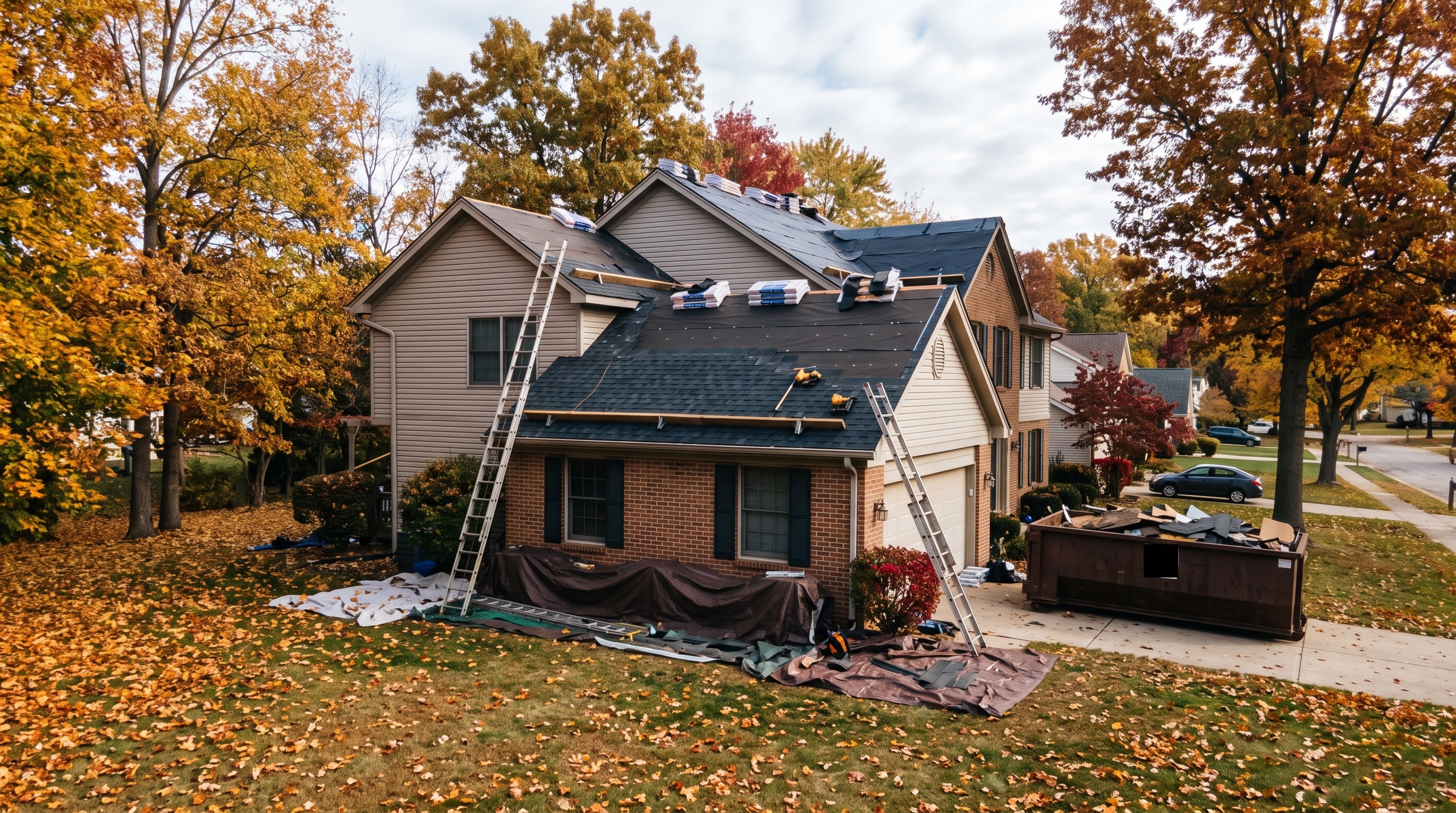

Fall is the best time to replace your roof in Southeastern PA. Mild temperatures help new shingles seal properly, contractors can work safely and efficiently, and your home gets full protection before snow, ice, and winter storms arrive. If your roof is showing its age, the weeks before winter are your best window to act.
Why Do Mild Fall Temperatures Matter for a New Roof?
Asphalt shingles have a self-sealing strip that bonds each shingle to the one below it. That strip activates best in moderate temperatures, typically the cool but not freezing days of a Pennsylvania fall. A roof installed in fall has time to seal before the hard freeze, giving it stronger wind resistance from day one.
Summer heat makes shingles soft and easier to scuff during installation. Winter cold makes them brittle and slows sealing. Fall sits right in the middle.
What Happens If You Wait Until Winter?
Waiting puts your home at risk during the toughest months of the year. In Montgomery, Chester, and Bucks Counties, winter brings:
- Ice dams: Melting snow refreezes at the roof edge, forcing water under worn shingles and into your home.
- Heavy snow loads: Weak decking and aging shingles carry extra weight all season.
- Wind-driven storms: Loose or curled shingles are the first to lift and tear off.
- Scheduling delays: Cold snaps and storms push winter installs back, leaving you waiting with a failing roof.
A small leak in October can become ceiling damage, wet insulation, and mold by February.
Signs Your Roof Won't Make It Through Another PA Winter
Walk around your home and look for these warning signs:
- Curling or cupping shingles: Edges that lift or curve inward no longer shed water properly.
- Granules in your gutters: Shingles losing their protective granules are near the end of their life.
- Missing or cracked shingles: Every gap is an entry point for water.
- Daylight or stains in the attic: Light coming through the boards or water marks on the rafters mean the roof is already letting water in.
- A roof over 20 years old: Most asphalt roofs installed two decades ago are reaching the end of their expected lifespan.
If you spot two or more of these, schedule a professional roof estimate before winter.
Your Pre-Winter Roofing Checklist
Before the first freeze, Southeastern PA homeowners should:
- Clear gutters and downspouts so melting snow can drain
- Trim branches hanging over the roof
- Check flashing around chimneys, vents, and skylights
- Look for attic leaks after the next heavy rain
- Schedule a professional roof estimate if your roof is aging or damaged
How Long Does a Roof Replacement Take?
Most residential roof replacements are completed in one to three days, depending on the size of the home, the roof's complexity, and the weather. A fall install means fewer weather delays and a finished roof well before winter.
Frequently Asked Questions
Is fall a good time to replace a roof in Pennsylvania?
Yes. Fall's mild temperatures help shingles seal properly, and replacing your roof before winter protects your home from ice dams, snow, and storm damage.
Can a roof be replaced in winter in PA?
It's possible on mild days, but cold temperatures slow shingle sealing and weather often delays installation. Fall is the more reliable choice.
How do I know if I need a new roof or just repairs?
Widespread curling, heavy granule loss, multiple leaks, or a roof over 20 years old usually point to replacement. A professional estimate will tell you for certain.
Schedule Your Free Roof Estimate Before Winter
Volpe Enterprises has helped homeowners across Montgomery, Chester, and Bucks Counties protect their homes for years. Our team will assess your roof, explain your options, and help you get a new roof installed before winter arrives.