

The Fall Roof & Gutter Checklist That Prevents Winter Damage
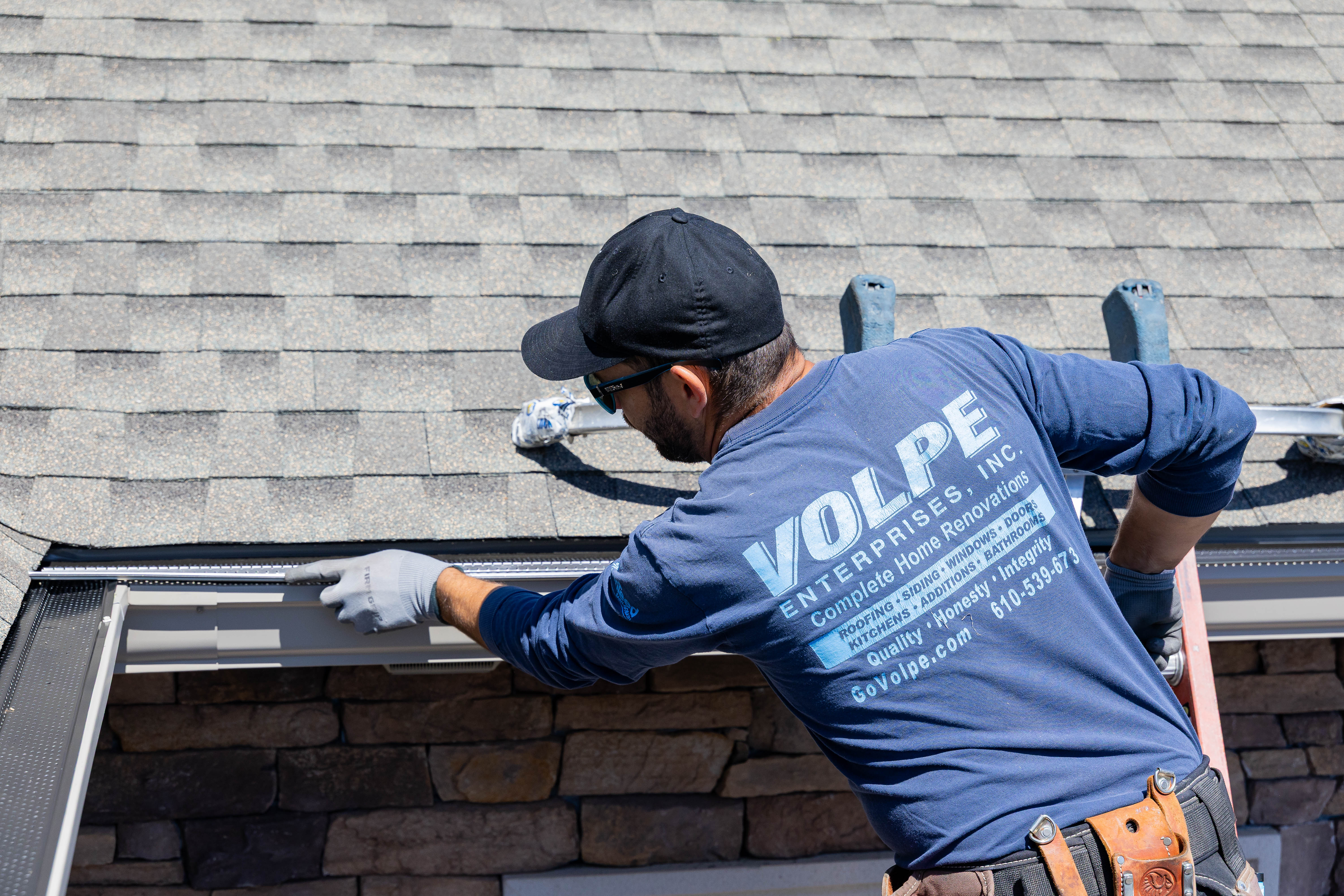

Almost every roof leak or ice dam we get called about in January started as a small, visible problem in October or November — a clogged gutter, a lifted shingle, a gap around a vent boot. None of these are urgent-looking in the fall. All of them get dramatically more expensive to fix once there's snow and ice involved. Here's exactly what to check now, while repairs are still simple and weather isn't working against you.
Why Fall Is the Window That Actually Matters
Roofing and gutter problems are seasonal in a specific way: the damage happens in winter, but the cause is almost always something that was fixable in fall. Water that can't drain because gutters are clogged with leaves refreezes and expands — that's how ice dams form, and ice dams are what push water back up under shingles into your attic. A loose shingle that would take five minutes to reseat in October becomes a full section replacement in February once it's been through a freeze-thaw cycle or two. Fall isn't just a convenient time to check your roof; it's the last window where problems are still cheap.
The Checklist: What to Actually Look For
On the roof
- Lifted, cracked, or missing shingles — even a few in one area suggests wind or age damage that will worsen with the first heavy snow load
- Granule loss — check where your gutters drain; heavy granule buildup there means the shingles are aging faster than expected
- Flashing around chimneys, vents, and skylights — this is where the vast majority of "mystery" leaks originate, not the open shingle field
- Moss or dark streaking — usually a sign of trapped moisture, which is worth having assessed before it spreads
In the gutters
- Full clearing of leaves and debris, especially right before or right after peak leaf drop — timing matters more than people think
- Downspout flow test — run a hose through and confirm water exits cleanly at the bottom; a clog you can't see from the ground is still a clog
- Gutter pitch and attachment — sagging sections collect standing water and ice weight, which is what pulls gutters off the fascia
- Ground-level drainage — confirm downspouts are actually directing water away from the foundation, not dumping it against the house
Gutter Guards: When They're Worth It and When They're Not
Gutter guards solve a specific problem — the labor and risk of clearing gutters multiple times a season — but they're not a universal fix. They're most worth it for homes with heavy tree coverage where clogging is a recurring, multi-time-per-year issue, or for homeowners who can't easily or safely get on a ladder several times a season. For a home with minimal tree coverage, a properly pitched and well-maintained gutter system without guards may perform just as well at lower cost. The honest recommendation depends on your specific tree line and roofline — not a blanket "everyone needs these."
What to Fix Now vs. What to Monitor
Not everything on this checklist needs immediate action, and a good inspection should tell you the difference:
- Fix now: Active leaks, missing/lifted shingles, damaged flashing, gutters pulling away from the fascia — these get materially worse in freezing conditions
- Monitor: Minor granule loss, light moss on north-facing sections, cosmetic wear with no active water intrusion — worth tracking year to year, not necessarily an immediate repair
Part of what a real inspection should give you is that distinction, rather than a quote for everything at once.
Frequently Asked Questions
How often should gutters be cleaned in the fall? Most homes need at least one thorough cleaning after peak leaf drop, and homes with heavy tree coverage often need two — once mid-fall and once after the last leaves are down, before the first hard freeze.
Do gutter guards eliminate the need for cleaning? No — they reduce clogging from leaves and larger debris but don't eliminate maintenance entirely. Fine grit, seeds, and shingle granules can still accumulate over time, just far more slowly than with open gutters.
What causes ice dams, and can they be prevented? Ice dams form when heat escaping from the attic melts snow on the roof, which then refreezes at the colder eaves, especially where gutters are clogged and can't drain the melt. Clear gutters, adequate attic insulation, and proper ventilation are the main preventable factors.
Is it too late in the fall to get a roof inspection scheduled? Generally no, but scheduling gets tighter as the season progresses and demand increases before the first freeze. Booking earlier in fall gives more flexibility to actually complete any recommended repairs before winter weather sets in.
Get Ahead of Winter While Repairs Are Still Simple
The checklist above tells you what to look for but catching a lifted shingle from the ground or knowing whether your gutter pitch is actually correct is easier with a trained eye on-site. Schedule a free estimate before the season's rush.