

Expert Tips for Home Siding Replacement


The right siding material protects your garage and home from weather, pests, moisture, and everyday wear while improving curb appeal. Whether you are planning garage siding replacement, a broader home siding replacement, or a full exterior refresh, the best choice depends on durability, maintenance, budget, and how the siding will be installed. This guide walks through practical material options, preparation steps, and installation decisions so you can plan with fewer surprises.
Which siding material is best for a garage?
The best garage siding material is the one that can handle your local weather, occasional impact, moisture exposure, and the level of maintenance you are willing to take on. Garages often face different abuse than the main house: bikes leaning against walls, lawn equipment brushing the surface, road salt splashing near the driveway, and frequent temperature swings around doors. That makes durability and correct installation just as important as appearance.
For many homeowners, the strongest options are fiber cement, vinyl, engineered wood, metal, or high-quality synthetic siding. Each has a different balance of cost, lifespan, maintenance, and style. If your garage is attached, you may also need to match or coordinate with existing siding so the finished project looks intentional rather than patched together.
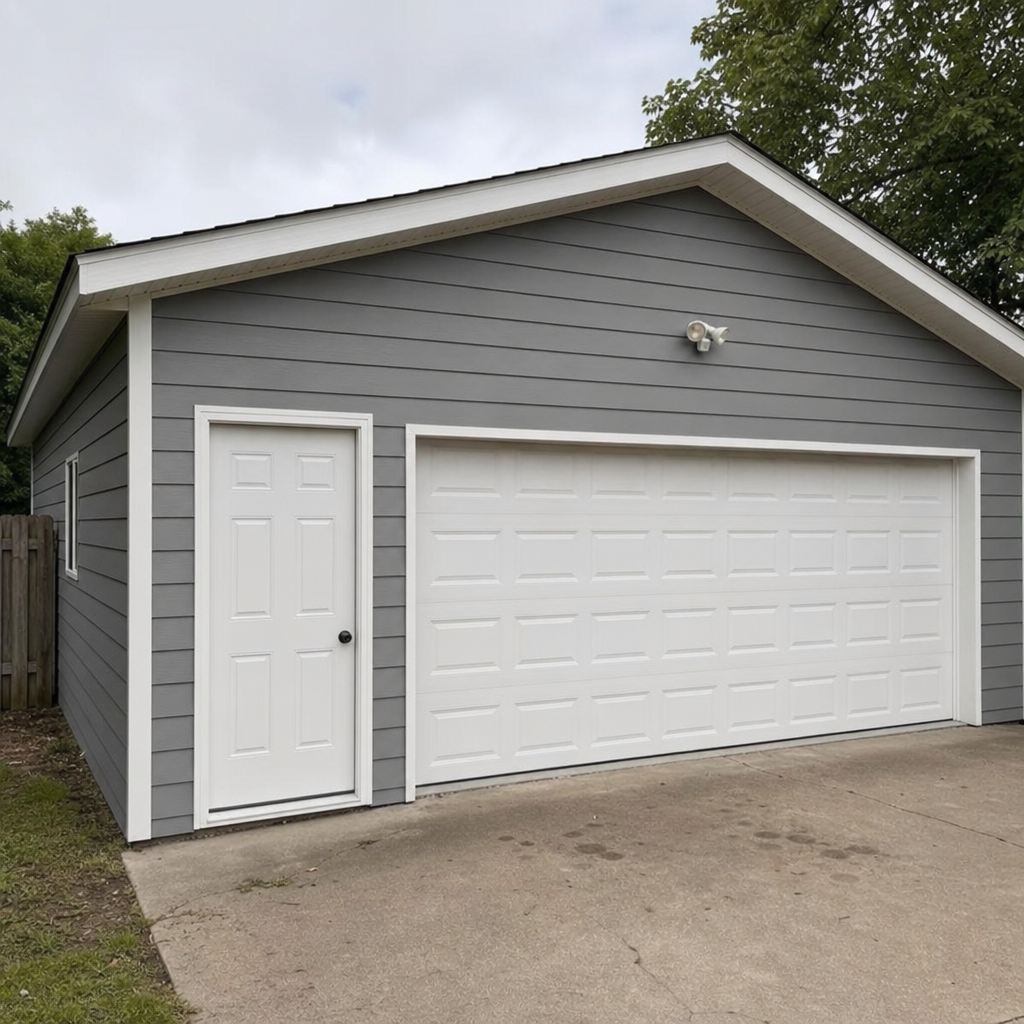
Fiber cement siding offers long-term strength
Fiber cement is often chosen for residential siding replacement because it provides a durable, stable exterior with strong resistance to pests, moisture, and fire. Products such as James Hardie siding are commonly considered when homeowners want a long-lasting material that can resemble wood without the same upkeep. Depending on the product and conditions, fiber cement can last for decades, often discussed in the 30- to 50-year range when installed and maintained properly.
For a garage, fiber cement makes sense when you want a tougher surface near driveways, yard equipment, and weather-exposed walls. It still needs correct flashing, caulking, painting, and clearance from grade or hard surfaces. The material itself is only part of the result; poor home siding installation can shorten performance no matter how strong the board is.
Vinyl siding is budget-friendly and versatile
Vinyl siding remains popular because it is generally affordable, widely available, and offered in many colors and profiles. It can work well for affordable siding installation, especially on detached garages or projects where matching the main house is not difficult. Modern vinyl and insulated vinyl options can also mimic traditional wood lap siding more convincingly than older products.
The main caution is movement. Vinyl expands and contracts with temperature changes, so it should not be nailed too tightly or installed without proper spacing. When installed poorly, panels may buckle, warp, rattle, or allow moisture behind the surface. If you choose vinyl for garage siding replacement, hire an installer who understands the product’s fastening and clearance requirements.
Engineered wood brings warmth with less upkeep than traditional wood
Engineered wood siding can be a good middle ground for homeowners who like the look of wood but want improved consistency and easier maintenance. It is often lighter than fiber cement and can provide strong curb appeal on both attached and detached garages. It also comes in different textures and profiles, making it easier to coordinate with older homes.
However, engineered wood still needs careful attention around cut edges, seams, trim, and areas close to the ground. Moisture management matters, especially near garage aprons, garden beds, and downspouts. If water repeatedly sits against the siding, even durable materials can develop problems over time.
Metal siding is practical for certain garage styles
Steel or aluminum siding can be a smart choice for workshops, detached garages, utility buildings, and modern home designs. Metal is often valued for impact resistance, pest resistance, and low maintenance. It can also suit a clean, contemporary exterior when paired with the right trim and color palette.
The trade-off is style and dent resistance. Some metal products may show dents, oil-canning, or scratches more noticeably than other siding types. For garages used heavily for tools, storage, or vehicles, ask whether the product is appropriate for high-contact areas.
What should you consider before exterior siding replacement?
Before exterior siding replacement, look beyond the visible panels and evaluate the whole wall system. Siding is not just decorative cladding; it works with sheathing, housewrap, flashing, trim, caulk, ventilation, gutters, and grade clearance to keep water out. The best material choice can fail if the preparation and siding construction details are weak.
A good pre-project review should include:
- Existing damage: Look for soft sheathing, rot, mold, pest activity, loose trim, cracked caulk, and water stains near corners or doors.
- Drainage patterns: Check whether gutters overflow, downspouts discharge against the garage, or soil slopes toward the wall.
- Door and window details: Garage doors, service doors, and small windows all need proper trim and flashing transitions.
- Impact zones: Identify areas near trash bins, basketball hoops, bikes, lawn mowers, or tight parking spaces.
- Design match: Decide whether the garage should match the house exactly, complement it, or create a subtle accent.
Removing old siding is often the better approach because it reveals hidden damage and gives the installer a flat, clean surface. Installing new siding over old material may seem faster, but it can hide rot, push windows and doors inward visually, create uneven walls, and complicate flashing. In home siding replacement, what you cannot see is often what costs the most later.
Material choice depends on climate, maintenance, and budget
No siding material is perfect for every property. A garage in a wet climate needs strong moisture detailing, while a garage in a hot sunny region may need color stability and heat movement allowances. Homes in areas with hail, wind, fire risk, or heavy snow may benefit from tougher products or specific installation methods.
Budget also includes more than the price of the siding panel. Trim, underlayment, fasteners, disposal, repairs, paint, permits, and labor all affect the final project. Choosing the cheapest material can make sense for a simple detached garage, but not if it leads to premature repairs or poor curb appeal beside an otherwise well-maintained home.
Use this practical decision checklist:
- If low maintenance is your priority: Consider vinyl, fiber cement, or metal, depending on style and budget.
- If a wood-like appearance matters most: Compare fiber cement, engineered wood, and premium vinyl profiles.
- If the garage takes frequent impact: Ask about thicker panels, stronger trim, and products suited for high-contact areas.
- If moisture has been a problem: Prioritize tear-off, sheathing inspection, flashing, and drainage correction before appearance.
- If resale appeal matters: Match the home’s architectural style and avoid materials that look noticeably different from the main exterior.
Affordable siding installation does not mean cutting corners. It means choosing the right scope, avoiding unnecessary upgrades, and spending money where it protects the structure.
The installation process shapes the final result
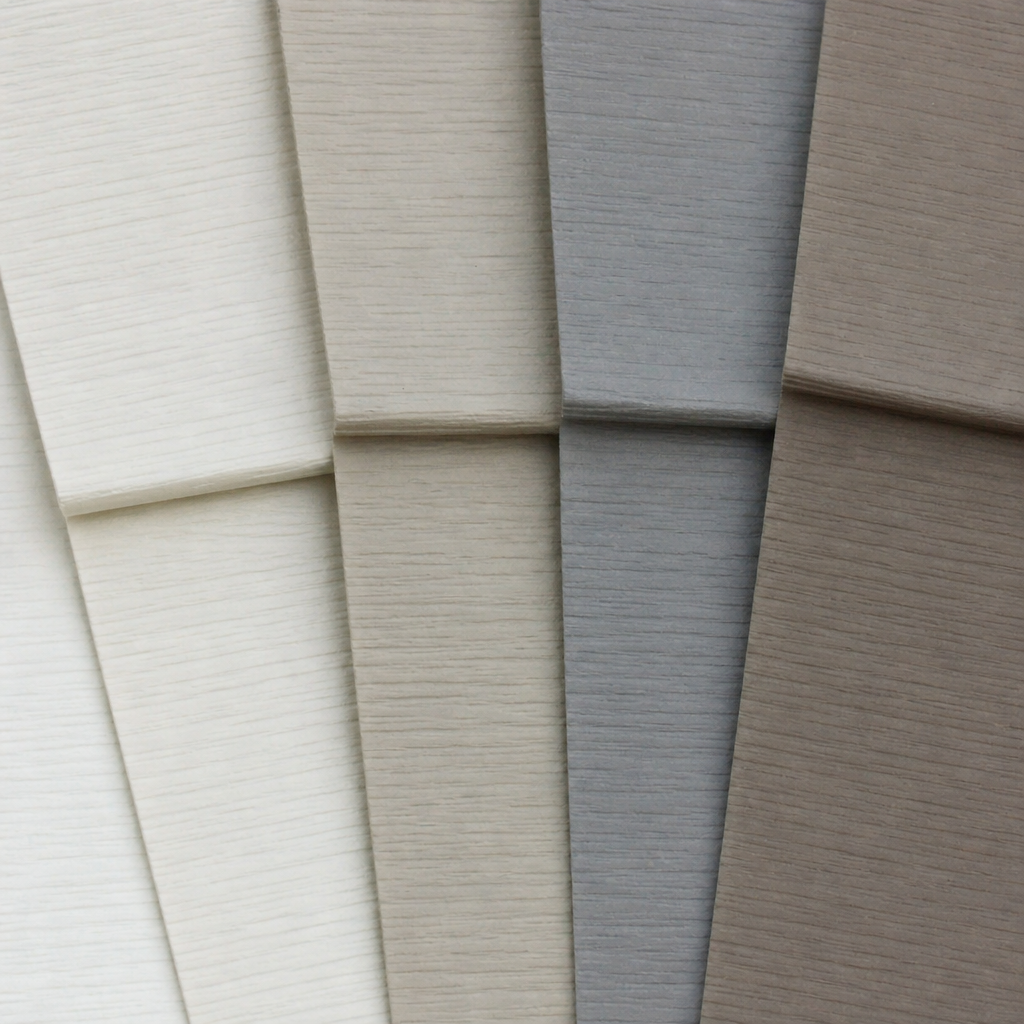
Even premium siding depends on careful installation. The crew must manage wall preparation, weather barriers, flashing, trim alignment, expansion gaps, and manufacturer guidelines. A clean layout around garage doors is especially important because those large openings draw the eye and are common places for water intrusion.
A typical process may include removing the old siding, inspecting and repairing sheathing, installing housewrap or other weather-resistant barriers, flashing openings, setting trim, installing siding panels, sealing transitions, and cleaning the site. Many residential siding replacement projects take about one to two weeks, but timing can shift based on weather, repairs, home size, crew size, and material availability.
During siding construction, expect noise, dust, ladders, dumpsters, and limited access around parts of the garage. If you park inside, store tools along the walls, or use the garage as a workshop, plan ahead. Moving items away from interior walls can also help protect belongings from vibration and dust.
Preparing your garage and property
A little preparation can make the project smoother for both you and the installation crew. Clear the driveway if crews need access for materials, trailers, or disposal. Trim back shrubs, move patio furniture, protect delicate plants, and remove wall-mounted items such as hose reels, lights, address numbers, or décor if your installer asks you to.
Inside the garage, take down fragile items from shelves and move valuables away from exterior walls. Children and pets should be kept away from the work area because nails, blades, ladders, and debris can create hazards. If you work from home, ask when the loudest phases are expected so you can plan calls or appointments around them.
Common mistakes can lead to expensive repairs
Many siding problems are not caused by the material itself. They come from rushed preparation, poor flashing, blocked drainage, tight fastening, or ignoring manufacturer instructions. These mistakes may not show immediately, but they can lead to moisture intrusion, warped panels, stained walls, or hidden rot.
Avoid these common issues:
- Installing new siding over damaged or uneven old siding without inspection.
- Letting siding sit too close to soil, pavement, roofing, or deck surfaces.
- Skipping flashing around garage doors, windows, hose bibs, and light fixtures.
- Nailing panels too tightly, especially with vinyl or other materials that move.
- Using interior-grade trim or fasteners that are not suited for exterior exposure.
- Choosing a color or profile without comparing it to the home in natural light.
The safest approach is to treat garage siding replacement as a building-envelope project, not just a cosmetic upgrade. Good siding should shed water, allow proper movement, and protect the wall underneath.
How do you choose the right siding installer?
Choose a siding installer by looking for relevant local experience, product knowledge, clear communication, and a willingness to explain the installation plan. A reputable contractor should be able to discuss material options, preparation, warranties, ventilation or moisture concerns, and how they will protect your property during the job. For home siding installation, the quality of workmanship is often the difference between a project that lasts and one that needs early repairs.
Ask specific questions before signing:
- Have you completed similar garage or residential siding replacement projects nearby?
- Will old siding be removed, and how will hidden damage be handled?
- What weather barrier, flashing, trim, and fasteners will be used?
- Are you trained or certified for the specific siding product being installed?
- What does the workmanship warranty cover, and what does the manufacturer warranty require?
- How will landscaping, driveways, pets, children, and cleanup be managed?
References and recent project photos can help you understand the installer’s consistency. Local experience matters because contractors who regularly work in your area are more familiar with common weather patterns, building styles, and inspection expectations.
Maintenance keeps siding performing longer
After installation, simple maintenance helps protect your investment. Walk around the garage a few times a year and look for cracked caulk, loose trim, impact damage, stains, gaps, or areas where water splashes against the wall. Pay close attention after storms or freeze-thaw cycles.
Keep gutters clean, direct downspouts away from the foundation, and trim plants so air can move around the siding. Wash dirt and mildew using methods recommended for your specific material. If you notice recurring moisture, do not just repaint or recaulk the symptom; find out where the water is coming from.
Final takeaway
Choosing siding is a balance of appearance, durability, maintenance, and installation quality. Fiber cement, vinyl, engineered wood, and metal can all work well, but the right answer depends on your garage, climate, budget, and expectations. For any garage siding replacement or larger exterior siding replacement, focus first on wall condition, moisture control, and skilled installation. When those details are handled correctly, your new siding can protect the structure and improve the look of your home for years to come.