

Door Repair vs. Replacement: How to Decide for Your Exterior Door
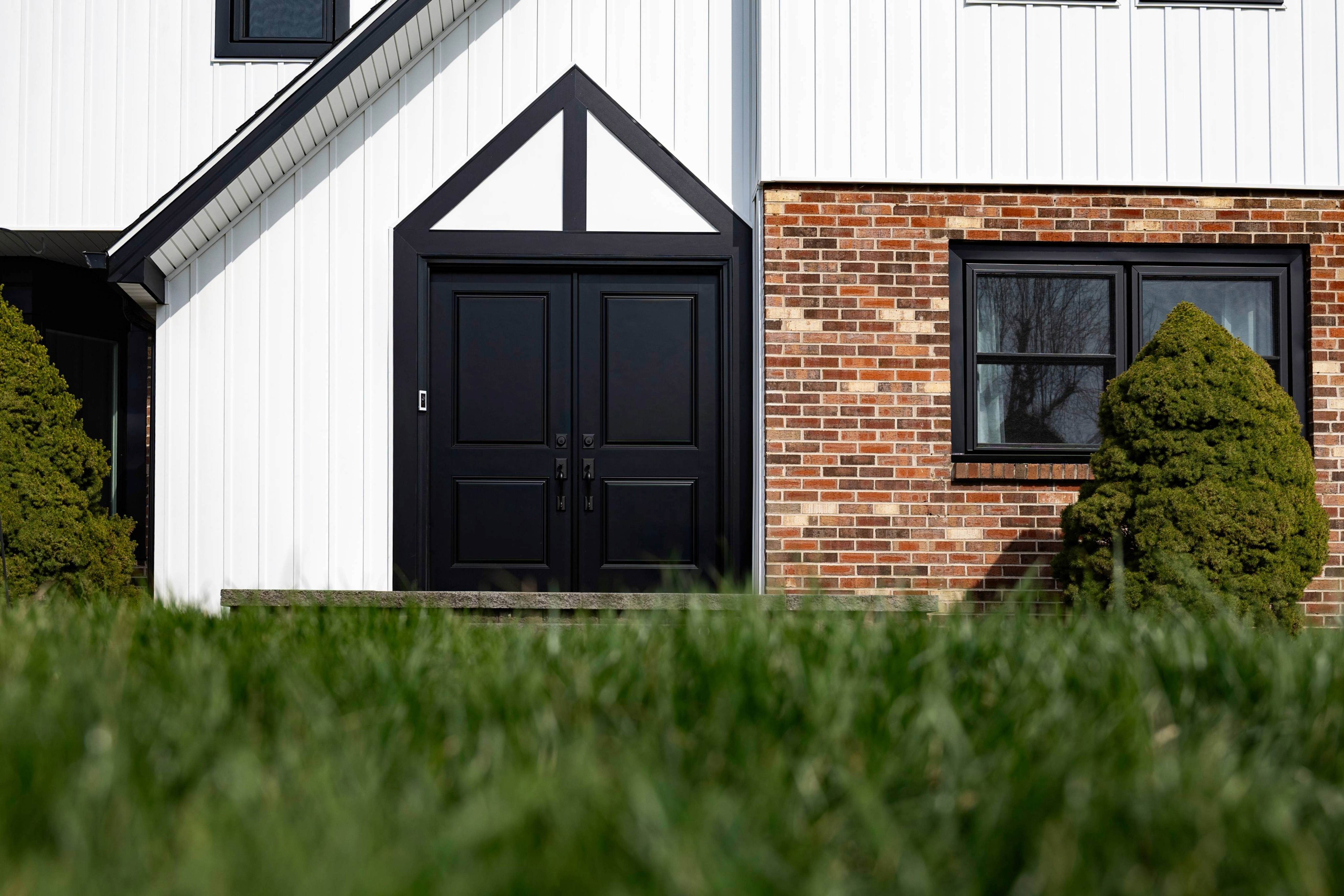

Repair your exterior door when the problem is limited to hardware, weatherstripping, alignment, a small dent, or a minor surface issue, and the door and frame are structurally sound. Replace it when there is rot, warping, rust through, frame damage, a security weakness, or repeated failures. A useful rule of thumb: if the repairs would cost about half as much as a new door, or the same door keeps needing fixes, replacement is usually the better investment.
When Door Repair Makes Sense
Many common door problems have simple, lasting fixes.
- A door that sticks or drags. Often caused by loose hinge screws, seasonal swelling, or a sagging door. Tightening hinges, adding longer screws into the framing, or planing a small amount from the edge can solve it.
- Worn weatherstripping or door sweep. Replacing these restores the seal and is one of the most cost effective fixes available.
- An adjustable threshold. Many thresholds can be raised or lowered with a few screws to close gaps at the bottom.
- Lock and latch problems. A misaligned strike plate, worn latch, or failing lockset can usually be adjusted or replaced without touching the door.
- Minor dents in steel doors. Small dents can often be filled, sanded, and repainted.
- Scratches and surface wear. Refinishing or repainting can restore a door that is structurally sound.
- A cracked or foggy glass panel. A door lite or glass insert can often be replaced on its own.
- Small areas of wood rot. In a wood door or trim, limited rot can sometimes be removed and repaired with wood filler or epoxy, provided the surrounding wood is solid.
When Door Replacement Makes More Sense
Replacement is the better choice when the problem is structural or widespread.
- Rot in the frame, jamb, or sill. Rot that has spread into the framing around the door usually means the frame needs to be rebuilt or replaced.
- A warped door. A slab that will not close evenly cannot be sealed properly, and warping rarely corrects itself.
- Rust through on a steel door. Rust at the bottom edge or around the hardware can compromise both the seal and the strength of the door.
- Cracks or splits in a fiberglass or wood door. Structural cracks often continue to spread.
- Frame damage from forced entry or impact. A damaged jamb is a security weakness that is best addressed with a new frame.
- Drafts that persist after sealing. If new weatherstripping and sweeps do not fix the problem, the door or frame may no longer fit properly.
- An old, uninsulated door. Older doors, especially solid wood or hollow doors with no insulation core, can lose a lot of heat.
- Failing glass in the door or sidelights. Fogged or damaged insulated glass in several panels may justify replacement of the whole unit.
- You want a different look or higher security. Sometimes the reason to replace is simply that a better door is available.
Repair or Replace: Quick Guide
Consider the Frame, Not Just the Door
Many door problems start in the frame. A new door hung in a frame that is rotted, out of square, or poorly sealed will have the same problems as the old one. If the frame is damaged, a prehung unit that includes a new frame, threshold, and weatherstripping often gives the best result, even if the old slab looks fine.
Security Fixes Worth Making
Whether you repair or replace, a few improvements strengthen an exterior door.
- Install a quality deadbolt with a solid strike plate
- Use long screws in the strike plate and hinges so they anchor into the wall framing, not just the door jamb
- Consider a reinforced strike plate or jamb kit
- Make sure glass near the lock is protected or laminated
A Note About Older Homes and Lead Paint
Homes built before 1978 may have lead based paint on doors and trim. Sanding or scraping old paint can create hazardous dust. If your door and frame are older, have the paint tested and use lead safe practices, or hire a professional who follows them.
How Repair Costs Compare
Simple repairs such as weatherstripping, adjustments, and hardware are typically a small fraction of the cost of a new door. Repairs that involve carpentry, frame rebuilding, or refinishing can add up quickly and sometimes approach the cost of replacement. That is why the half the cost rule of thumb is useful. Get a quote for repairing and for replacing, then compare what each fixes.
Frequently Asked Questions
Is it cheaper to repair or replace a front door? Minor repairs are usually cheaper. When damage is extensive or the frame is involved, replacement can be the better value over time.
How do I know if my door frame is rotted? Press a screwdriver into the lower jamb and sill. Soft, crumbling, or spongy wood is a sign of rot.
Can a warped door be fixed? Mild warping can sometimes be corrected with adjustments, but a significantly warped door usually needs to be replaced.
How long should an exterior door last? Lifespan depends on material, exposure, and maintenance. Steel, fiberglass, and wood doors can all last for decades when cared for properly.
Should I replace the door and frame together? Often yes when the frame is damaged or the door is old. A prehung unit provides a fresh frame, threshold, and seals that work as a system.
Get an Honest Recommendation
If you are unsure whether your door can be saved, a quick look at the door and frame can answer the question. Founded in 1970, Volpe Enterprises helps homeowners across Montgomery County, including North Wales, Norristown, and Malvern, decide between repair and replacement and install doors that last.
Request a free door estimate today.