

Choosing the Best Siding Contractors: A Complete Guide
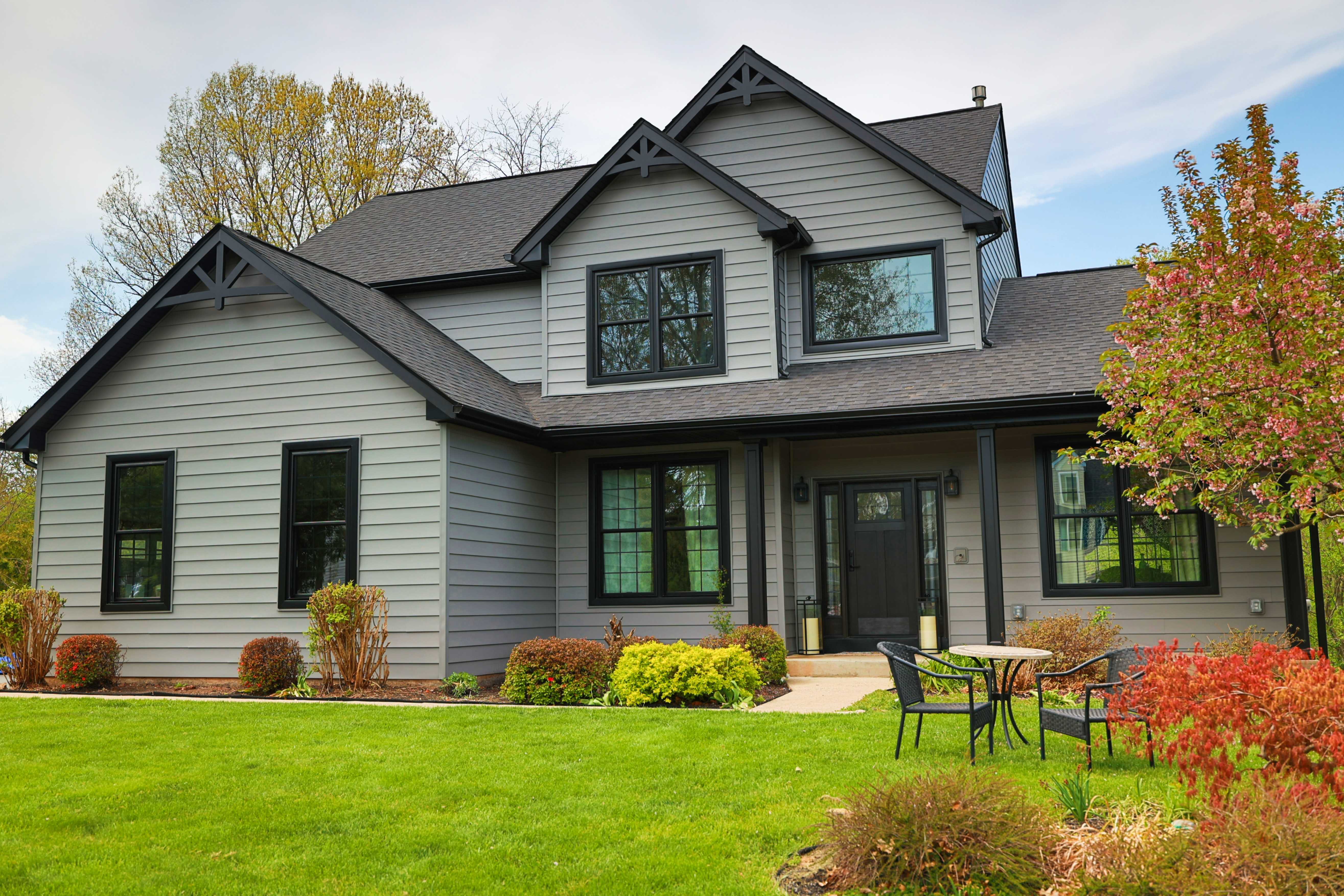

Your siding does more than shape curb appeal. It protects your home from moisture, wind, pests, heat, cold, and the everyday wear that comes with changing seasons. The right siding contractors can help you decide whether you need targeted home siding repair, a partial replacement, or a full exterior upgrade without leaving you guessing about cost, timeline, or quality.
How do you choose a siding contractor you can trust?
Choose a siding contractor by looking for clear credentials, proof of insurance, detailed written estimates, strong local references, and warranties that explain exactly what is covered. A trustworthy contractor should be willing to inspect your siding, explain the condition of your exterior, discuss material options, and answer questions without pressuring you into the biggest project possible.
Start with the basics. Reputable siding repair contractors should carry general liability insurance and workers’ compensation coverage where applicable. Depending on your area, they may also need a contractor license or registration. If a contractor avoids questions about documentation, that is a sign to slow down.
Next, look at how they communicate. Do they arrive on time for the estimate? Do they explain the difference between repair and replacement? Do they put important details in writing? The hiring process often previews the project experience. If communication is vague before a contract is signed, it may not improve once work begins.
It is also smart to compare several siding companies near me rather than choosing the first result you see online. Local experience matters because siding has to perform in your climate. A contractor who regularly works in your region is more likely to understand common moisture patterns, sun exposure, storm damage, freeze-thaw movement, and permit expectations.
Signs your siding needs attention
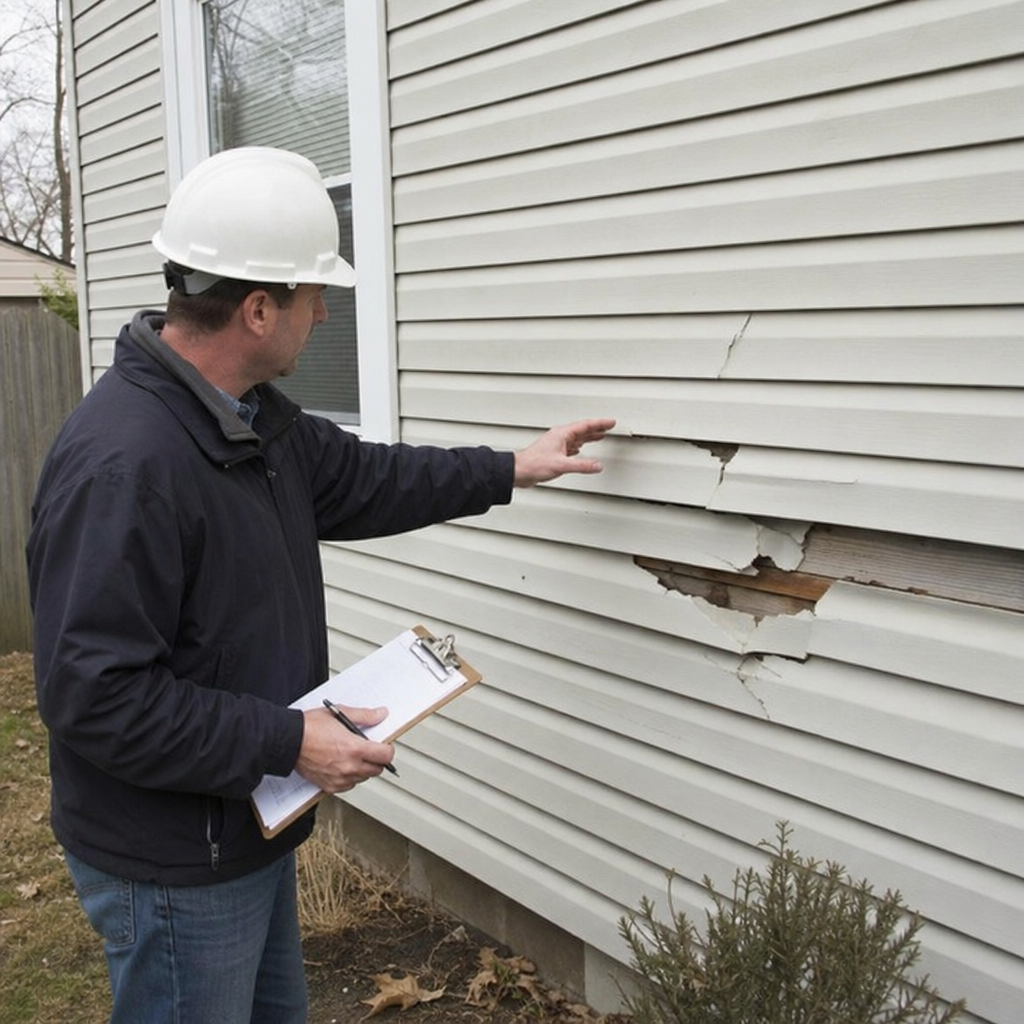
Siding problems are not always dramatic at first. A small crack, loose panel, or soft spot may seem minor, but damaged siding can allow water behind the exterior surface. Once moisture reaches sheathing, insulation, or framing, repairs can become more complicated.
Common signs you may need siding repair services include:
- Cracked, warped, buckled, or missing siding panels
- Peeling paint or bubbling finishes on or near siding
- Mold, mildew, or dark staining that keeps returning
- Soft areas, rot, or visible water damage
- Gaps around windows, trim, corners, or seams
- Higher energy bills caused by drafts or poor exterior performance
- Interior wall stains that may point to moisture intrusion
- Siding that rattles, shifts, or pulls away from the wall
Not every issue requires a full replacement. Skilled siding repair contractors can often replace damaged sections, reseal vulnerable areas, repair trim, or correct installation problems. However, if damage is widespread, your siding is nearing the end of its useful life, or repairs would only provide a temporary fix, replacement may be the better long-term choice.
The right material depends on your home, climate, and priorities
There is no single best siding material for every home. The right choice depends on your budget, maintenance preferences, neighborhood style, weather exposure, and how long you plan to stay in the house. A good contractor should explain your options in practical terms, not just hand you a product brochure.
Vinyl siding
Vinyl remains a popular option because it is generally affordable, widely available, and low maintenance. It does not need painting, and many homeowners appreciate that it can resist moisture and everyday weathering when properly installed. If you are searching for vinyl siding companies near me or vinyl siding contractors, pay close attention to installation quality. Even good materials can fail if panels are fastened too tightly, overlapped poorly, or installed without proper water management details.
Vinyl can be a strong fit for homeowners who want a clean exterior update without frequent upkeep. It comes in many colors and profiles, but it may not offer the same impact resistance or premium look as some higher-cost materials. Ask contractors how they handle expansion, flashing, trim transitions, and ventilation behind the siding.
Fiber cement siding
Fiber cement is known for durability, fire resistance, and a substantial appearance. It often costs more than basic vinyl, but many homeowners choose it for long-term performance and design flexibility. It can mimic the look of wood while offering stronger resistance to many common exterior threats.
This material requires careful installation. Cutting, fastening, clearances, caulking, and painting details matter. If you are considering fiber cement, ask whether the contractor has experience with the specific product line and whether installation will follow manufacturer requirements.
Engineered wood siding
Engineered wood siding gives homeowners a warm, traditional look with less upkeep than natural wood. It can work well for homes where texture and character are important, but it still needs proper installation, finishing, and maintenance. Pay attention to edge sealing, ground clearance, and how the contractor protects areas that receive heavy water exposure.
Metal siding
Metal siding can be a durable option for modern homes, accent areas, or properties exposed to harsh weather. It is strong, weather resistant, and can create a crisp architectural look. Depending on the product, it may show dents or scratches differently than other materials, so it is worth discussing appearance expectations before choosing it for high-traffic areas.
What should a siding estimate include?
A siding estimate should clearly describe the scope of work, materials, labor, removal and disposal, repairs, permits if needed, warranty terms, and payment schedule. If the estimate is too vague, you may have trouble comparing contractors or understanding what is actually included.
A strong estimate usually covers:
- Project scope The estimate should say whether the contractor is repairing isolated damage, replacing one side of the home, or installing all-new siding.
- Material details Look for product type, style, color, profile, trim details, house wrap, flashing, fasteners, and accessories.
- Labor and preparation This includes removal of old siding, surface preparation, installation steps, and cleanup.
- Underlying repairs If rotten sheathing, damaged trim, or moisture problems are discovered, the estimate should explain how those repairs will be handled.
- Permits and code requirements Some areas require permits for siding replacement. Your contractor should know what applies locally.
- Warranty information Separate manufacturer coverage from workmanship coverage so you understand who is responsible for what.
- Payment terms The contract should state deposit amount, progress payments, final payment timing, and accepted payment methods.
Be cautious with unusually low bids. A lower price may leave out removal, repairs, better flashing, cleanup, or warranty protection. The goal is not to find the cheapest contractor. It is to find the clearest value.
Cost and timeline are shaped by more than square footage
Many homeowners ask for a quick price based only on house size, but siding costs depend on several moving parts. Material choice is a major factor, but so are wall condition, home height, architectural details, trim complexity, old siding removal, and whether hidden damage is found once work begins.
Timeline works the same way. A straightforward siding installation may take about one to two weeks, but the actual schedule can shift based on weather, crew size, material availability, repairs, and inspection requirements. Homes with many corners, dormers, gables, windows, or custom trim details can take longer than simple rectangular structures.
Ask each contractor what could change the price after work begins. This does not mean accepting open-ended costs. It means understanding the process for documenting unexpected issues. A professional contractor should explain how change orders are approved, priced, and recorded before extra work moves forward.
Some homeowners also ask about financing. Many siding companies offer payment options, including promotional or low-interest plans, but terms vary. Review all financing documents carefully and make sure the monthly payment, interest rate, payoff rules, and fees fit your budget.
Warranties should be clear before work starts
Siding warranties can sound reassuring, but the details matter. There are usually two different types of coverage: manufacturer warranties and workmanship warranties. They are related, but they do not cover the same things.
A manufacturer warranty typically applies to the siding product itself. It may address defects, fading, or material performance under certain conditions. A workmanship warranty comes from the contractor and covers the quality of installation. If siding fails because it was installed incorrectly, the manufacturer may not be responsible.
Before signing, ask:
- What manufacturer warranty applies to the siding material?
- Is the warranty transferable if you sell the home?
- What does the contractor’s workmanship warranty cover?
- How long does workmanship coverage last?
- What maintenance is required to keep coverage valid?
- Who do you contact if a problem appears after installation?
Get warranty terms in writing. Verbal promises may feel comforting during the sales conversation, but written coverage gives you something concrete to reference later.
Local knowledge makes a real difference
When you search for siding companies near me, you are not just looking for convenience. You are looking for contractors who understand the conditions your home faces. Heat, hail, humidity, snow, coastal air, high winds, and intense sun can all influence which materials and installation details make the most sense.
Local contractors may also be more familiar with neighborhood styles, homeowners association requirements, building department expectations, and common problems in homes built during certain periods. That knowledge can help you avoid choices that look fine on paper but perform poorly in your area.
Reviews can be useful, but read them with context. Look for patterns in communication, cleanup, punctuality, problem-solving, and follow-through. A contractor with a perfect-looking rating but thin details may be harder to evaluate than one with many specific reviews describing real project experiences.
Prepare your home before siding work begins
Once you choose a contractor, a little preparation can make the project smoother. Siding work is active, noisy, and weather-dependent. Crews need access to exterior walls, outlets, driveways, and sometimes attic or garage areas.
Before installation day, consider this checklist:
- Move patio furniture, grills, planters, hoses, and decorations away from exterior walls.
- Trim shrubs or branches that block access to siding.
- Remove fragile wall decor inside the home if exterior hammering could cause vibration.
- Park vehicles away from the work zone and material delivery areas.
- Ask how landscaping will be protected during removal and installation.
- Confirm where debris, dumpsters, and materials will be placed.
- Keep children and pets away from work areas for safety.
- Review start times, cleanup expectations, and the main point of contact.
Good contractors will explain the daily routine. You should know when crews will arrive, how weather delays are handled, and what areas of the property will be affected. Clear expectations reduce frustration for everyone.
A simple contractor-vetting checklist
Before choosing between siding contractors, use this final review to compare your options fairly:
- They provide proof of insurance and licensing or registration where required.
- They inspect the home before recommending repair or replacement.
- They explain material pros and cons in plain language.
- Their estimate is itemized and easy to understand.
- They describe how hidden damage and change orders are handled.
- They offer written warranty information.
- They have relevant local experience and project photos.
- Their reviews mention communication, cleanup, and follow-through.
- They answer questions without rushing you.
- Their contract matches what was discussed during the estimate.
If a contractor checks most of these boxes, you are likely dealing with a more organized and accountable professional. If several items are missing, keep looking.
The best choice protects your home long after installation
Choosing the right siding contractor is about more than finding someone available next week. Your decision affects how well your home resists moisture, how it looks from the street, how much maintenance you face, and how confident you feel if a problem comes up later.
Take time to compare siding repair services, ask direct questions, and review written details before signing. Whether you need home siding repair, a full replacement, or guidance from experienced vinyl siding contractors, the best contractor will help you understand your options and protect your home with careful, transparent work.