
Choosing the Right Siding for Pennsylvania Winters
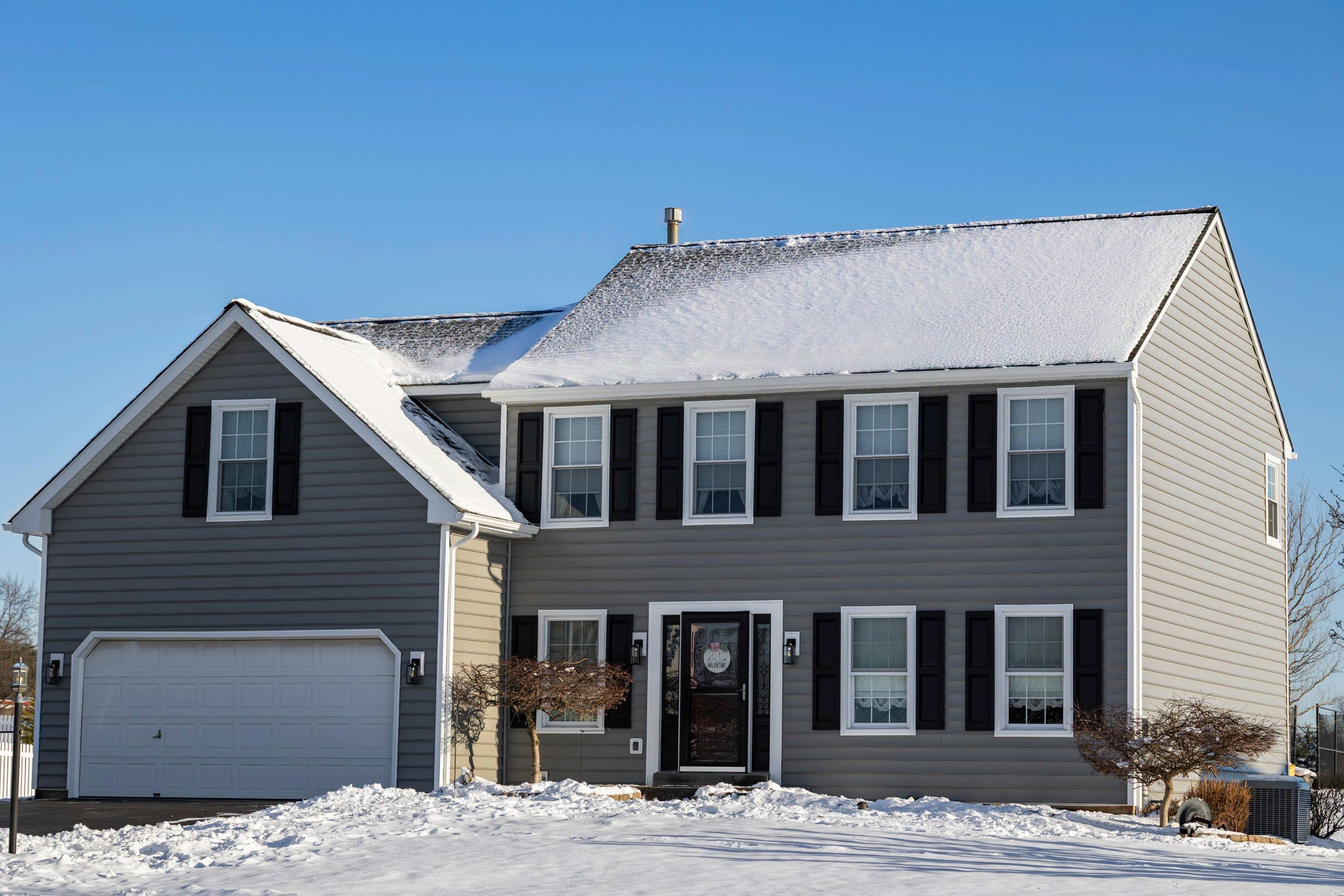
Siding does more than shape your home's curb appeal. It's the first line of defense against everything Pennsylvania weather throws at it: humid summers, freezing winters, and everything in between. If your siding is showing its age, or you're planning ahead for a replacement, here's how the most common materials stack up for our climate.
Vinyl Siding
Vinyl remains one of the most popular choices for homeowners in our area, and for good reason. It resists moisture well, doesn't rot, and holds up to freeze-thaw cycles better than most budget-friendly materials. Modern vinyl also comes in a wide range of colors and textures, including options that mimic wood grain.
Where it can fall short: In extreme cold, lower-grade vinyl can become brittle and crack on impact. Choosing a thicker, higher-quality panel makes a real difference in cold-weather performance.
Fiber Cement Siding
Fiber cement (like James Hardie products) is known for its durability and resistance to moisture, pests, and fire. It handles Pennsylvania's temperature swings well and holds paint longer than wood, which means less frequent repainting.
Where it can fall short: It's a heavier material and typically costs more upfront than vinyl, both for the material and the installation labor. For homeowners planning to stay in their home long-term, the durability often justifies the investment.
Engineered Wood Siding
Engineered wood gives homeowners the look of natural wood siding with better resistance to moisture and pests than traditional wood. It's a strong middle-ground option for anyone who wants a wood aesthetic without the higher maintenance.
Where it can fall short: It still requires more upkeep than vinyl or fiber cement, including periodic sealing, and it's more vulnerable to prolonged moisture exposure if gutters or flashing aren't in good shape.
What Matters Most for Our Climate
Whichever material you choose, a few factors matter more in our region than in milder climates:
- Proper insulation and vapor barriers behind the siding to manage condensation during freeze-thaw cycles
- Quality installation, since gaps or improper fastening are where cold-weather damage typically starts
- Material thickness, particularly for vinyl, where thin panels are more prone to cracking in low temperatures
Not Sure Which Siding Fits Your Home?
The right siding choice depends on your home's age, your budget, and how long you're planning to stay. Go Volpe works with homeowners across Montgomery County to walk through material options in person, so you can see samples, ask questions, and get a real cost comparison before deciding.
Request a free siding consultation.