

How to Determine the Best Type of Shingles for Your Roof
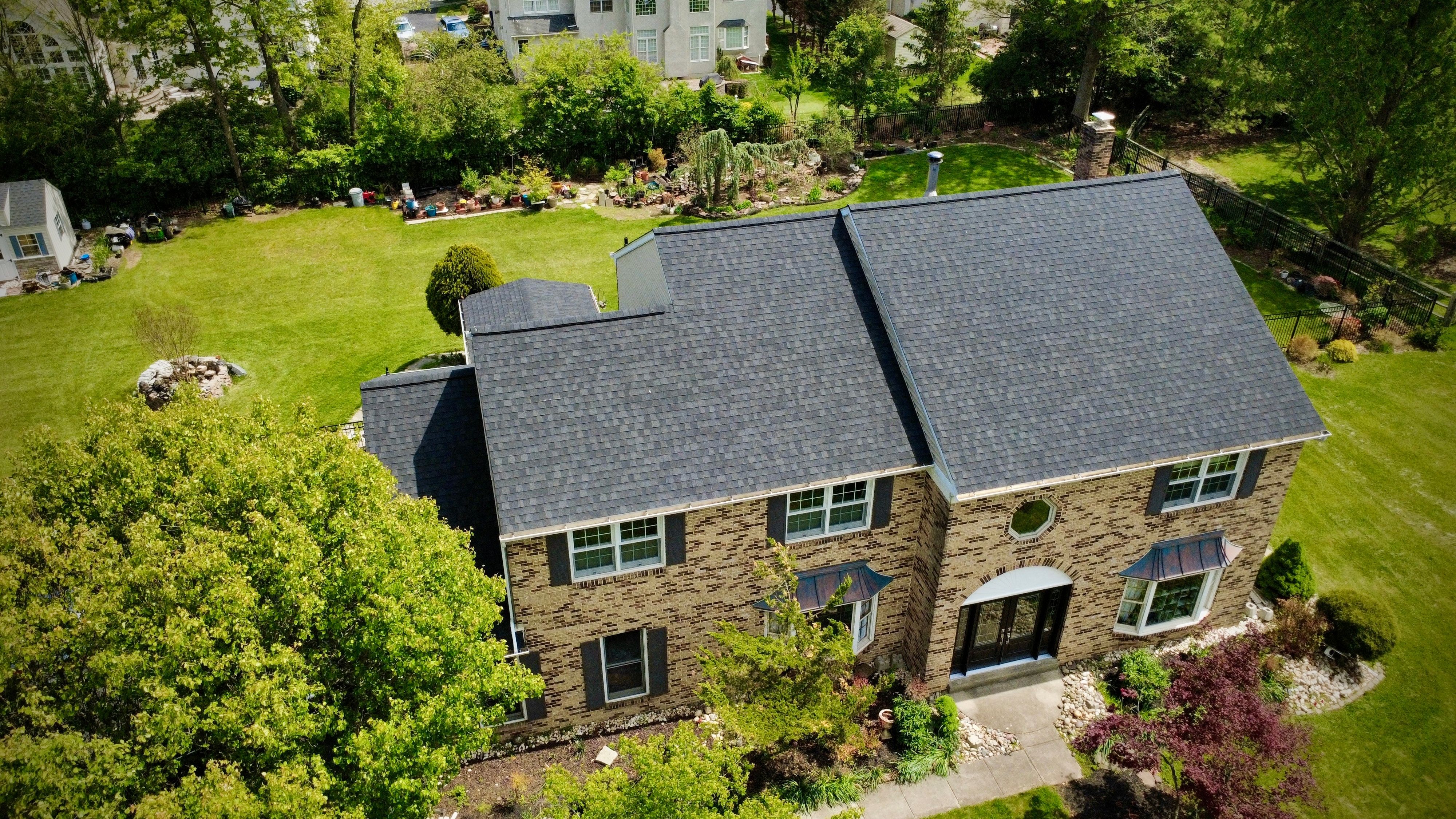

How do I determine the best type of shingles for my roof?
The best roof shingles are the ones that match your roof’s construction, local weather risks, budget, and installation requirements—not simply the product with the longest warranty. Start by comparing shingle categories, then check the exact product’s ratings and coverage. This approach helps you separate useful upgrades from marketing claims and request estimates you can actually compare.
Which roof shingle types should you compare first?
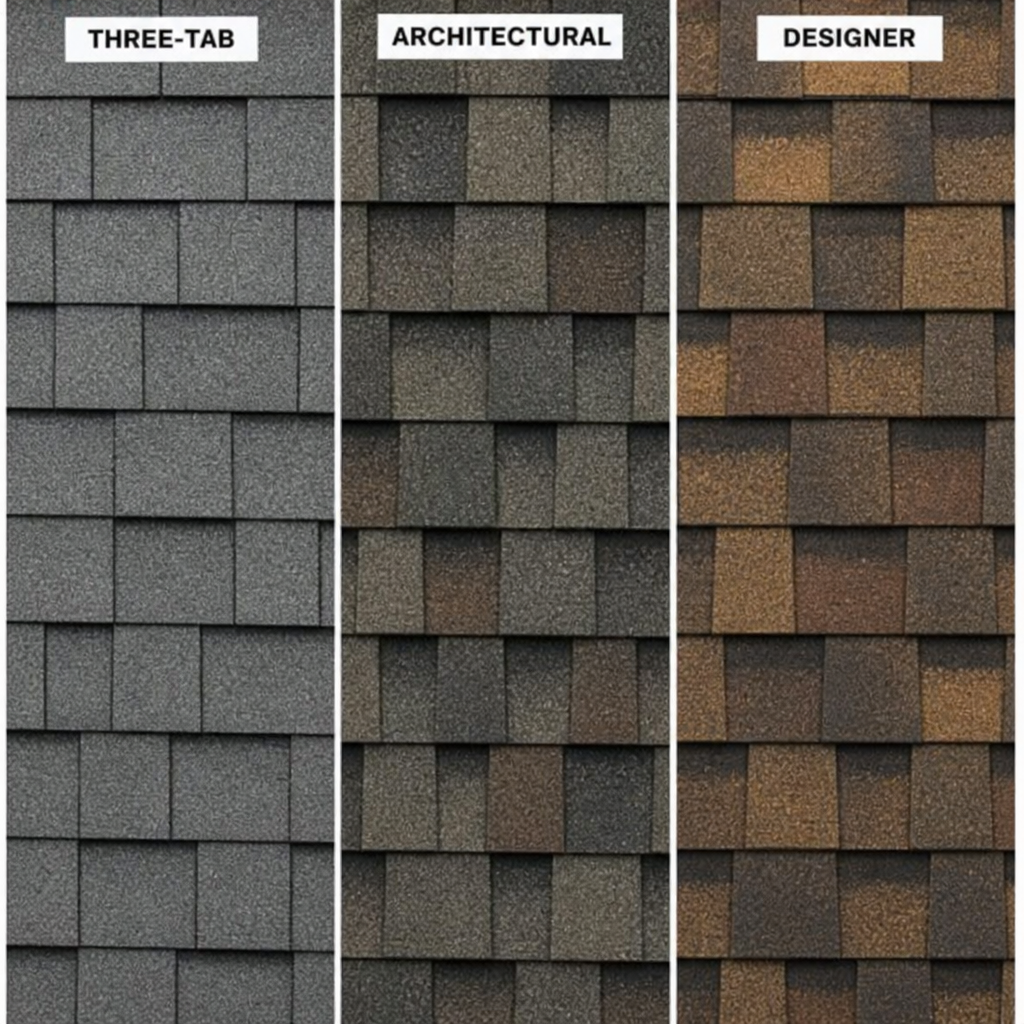
Start with three asphalt shingle categories: three-tab, architectural, and luxury or designer shingles. Three-tab shingles have a flatter, single-layer construction; architectural shingles use laminated layers for visual depth; and designer products emphasize distinctive profiles, often resembling slate or wood shakes. Impact resistance is a separate performance characteristic, not a fourth visual style.
Use the differences below to organize your shortlist rather than choosing by appearance alone:
These categories describe construction and appearance, but they do not establish a universal performance ranking. For example, federal building guidance notes that manufacturers may offer the same wind classification across multiple shingle categories. Compare the actual product documentation, not assumptions about thickness or style.
How does your climate change the best choice?
Your climate determines which performance characteristics deserve priority. In hail-prone areas, investigate impact resistance; in exposed or storm-prone locations, verify wind classifications and installation requirements. In hot, sunny climates, consider documented solar reflectance rather than judging heat performance by color alone.
Hail resistance needs more than a label
UL 2218 classifies impact resistance from Class 1 through Class 4, with Class 4 the highest classification under that test. However, passing a laboratory test does not make a shingle hail-proof. IBHS research shows that impact-resistant products can perform differently when tested against realistic hail conditions.
When researching the best rated shingles for roofs, compare the exact product against IBHS hail-performance ratings where available. Look beyond the overall score to the kinds of damage evaluated, including tears and granule loss. Treat ratings as decision support, not a promise that your roof will escape every storm.
Wind, heat, and winter require different checks
For wind exposure, ask your contractor to identify the required classification and explain how the proposed installation meets it. ASTM D7158 and ASTM D3161 are relevant wind-testing standards; fastening locations and installation details also matter. Avoid treating an advertised wind speed as an unconditional guarantee.
In hot regions, reflective roofing can reduce heat absorption, although benefits depend on climate and insulation. In snowy regions, ask about ice-dam protection, flashing, insulation, and ventilation. Shingle selection is only one part of managing those conditions.
Confirm that your roof can use the material
Before comparing colors, have a contractor check the roof slope, deck condition, and suitability of the proposed assembly. Asphalt shingles have minimum slope requirements, and lower-slope applications require particular underlayment details. A section that looks nearly flat may need a different roof covering altogether.
If you are considering broader roofing material options, request a separate assessment rather than assuming every material is interchangeable. Ask how metal, slate, tile, or synthetic products would change the proposed assembly, structural requirements, installation scope, and maintenance plan. Keep these alternatives on a separate comparison sheet so their estimates do not get confused with a straightforward asphalt replacement.
Bring any association design restrictions or historic-district requirements to the first appointment. Ask the contractor to flag approval questions before you settle on a product. There is little value in perfecting a shortlist that you cannot use.
Installation details deserve as much attention as the shingles
Shingles rely on correct fastening and sealing to perform as intended. Nails must be placed and driven according to the manufacturer’s instructions, while the sealant helps bond overlapping shingles together. IBHS identifies both fastening and sealing as important parts of asphalt roof installation.
A visible or reinforced nailing zone can help installers identify the fastening area. Owens Corning’s Duration series, for example, uses its SureNail fabric strip as a reinforced target. That is a useful feature to discuss, but it does not replace careful workmanship or establish that one brand is best for every home.
Ask each contractor to explain:
- Fastening: Which nail placement and fastening pattern apply to this exact product and location?
- Sealing: How will installation conditions affect sealing, and what manufacturer-approved measures are needed?
- Water management: Which flashing, underlayment, and roof-edge details are included?
- Quality control: Who checks the completed work, and what documentation will you receive?
Request photographs of details that will be concealed. This gives you a useful project record and makes the contractor’s proposed quality-control process more concrete.
Compare exact products instead of declaring a brand winner
A useful shortlist identifies a manufacturer, product line, rating, color, and warranty—not just a brand name. Ask contractors proposing top roofing shingles to provide the product data sheet and installation instructions. Then compare the same characteristics across every proposal.
Separate manufacturer feature claims from independent evidence. A reinforced nailing strip addresses fastening, while an IBHS hail rating addresses performance under a particular impact-testing protocol. Neither answers every question about the completed roof.
Also confirm local availability before committing. Ask who supplies the selected color, what substitutions would require your approval, and how replacement bundles could be obtained later. If enhanced warranty coverage depends on contractor status, verify that status directly with the manufacturer rather than relying only on a logo in the estimate. Owens Corning, for instance, limits its extended warranty options to specified contractor programs.
What does the warranty actually cover?
A shingle warranty covers specified problems under stated conditions; its headline duration does not tell you what a future claim will pay. Read the coverage periods, covered expenses, exclusions, and installation requirements. The practical question is how much responsibility remains yours if a covered defect occurs.
Non-prorated coverage generally does not reduce eligible compensation solely because the product has aged during that period. Prorated coverage reduces compensation according to the warranty’s schedule. Covered expenses can also change: Owens Corning’s standard warranty, for example, distinguishes its initial coverage from a later prorated period that excludes labor.
Before signing, get written answers to these questions:
- Does the quoted coverage include labor, tear-off, disposal, or only eligible materials?
- Is workmanship covered, and which company handles that responsibility?
- Are matching accessories or an approved installer required?
- What registration and ownership-transfer deadlines apply?
- How do wind, algae, and manufacturing-defect provisions differ?
Do not assume an upgraded warranty is automatically included because a contractor is eligible to offer it. Ask for the exact warranty name and its price, if any, in the proposal. Manufacturer requirements can depend on both contractor status and the accessories installed.
Find value in the complete installed estimate
When shopping for affordable roof shingles, request at least two itemized proposals with a comparable scope. Ask each contractor to separate the base roofing work from optional product upgrades. This makes it easier to decide whether you are paying for improved performance, a preferred appearance, or different coverage.
Build your comparison around these items:
- Product identification: Exact shingle line, color, and proposed accessories.
- Preparation: Removal scope, deck inspection, and pricing for discovered repairs.
- Water protection: Underlayment, flashing, valleys, and roof-edge work.
- Project delivery: Cleanup, scheduling, inspection, and payment milestones.
- Protection afterward: Written workmanship terms and manufacturer warranty documents.
Finally, view physical samples outdoors alongside your siding, brick, and trim. Ask to see a completed roof in the same product and color if possible. Make appearance the final filter after suitability, performance, and scope—not the first decision.
Choose a roof system, not just a bundle
To select shingles for roofs confidently, narrow the field in order: roof suitability, weather performance, installation plan, warranty, and total installed cost. Then choose the appearance you prefer among the options that satisfy those checks. The strongest choice is a clearly specified product backed by a contractor who can explain—and document—how the whole roof will be installed.