

Best Decking Material: A Guide to Choosing the Right Deck for Your Home
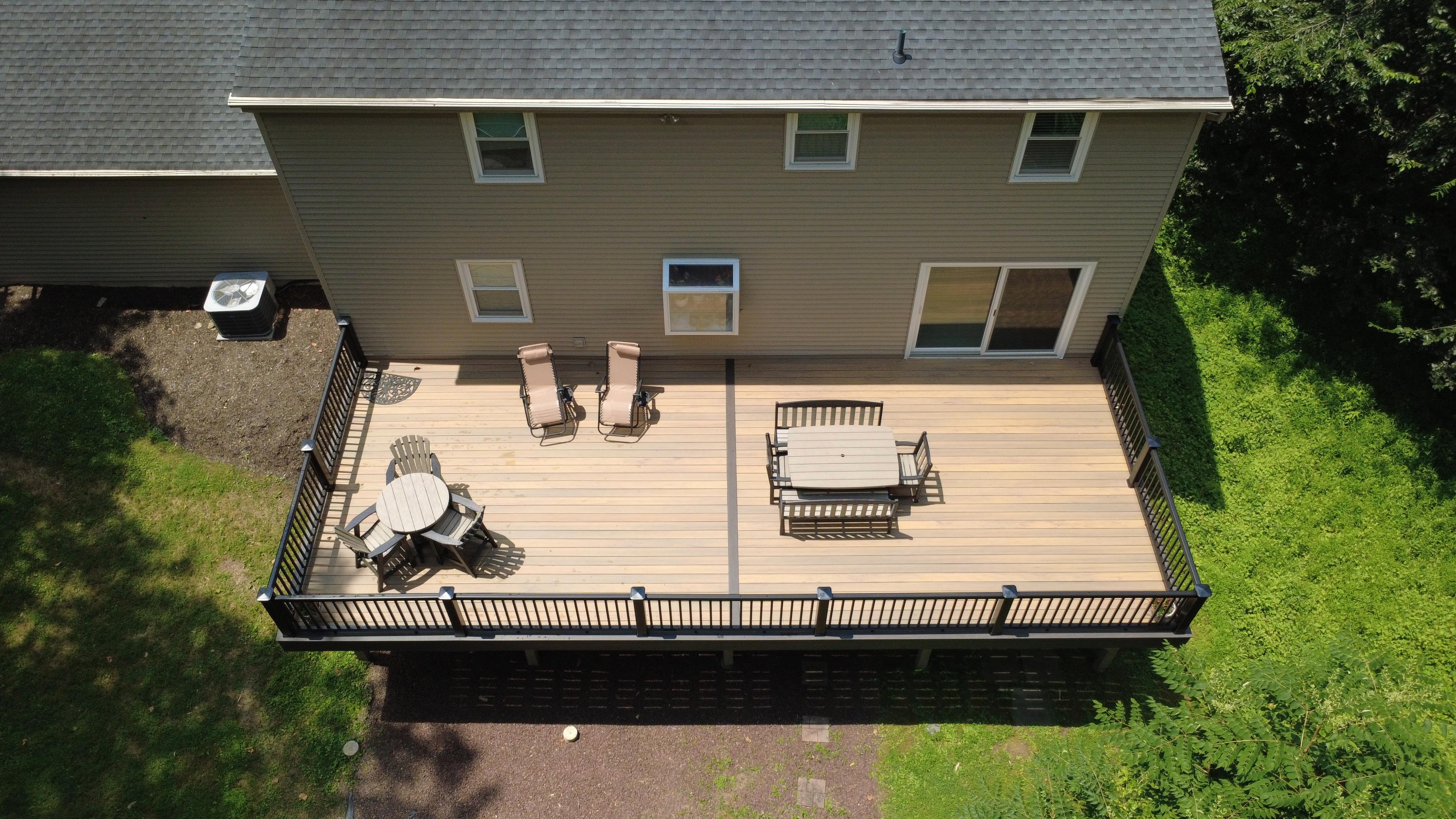

Building or renovating a deck comes with more decisions than most homeowners expect, and the material you choose affects everything from upfront cost to how much time you'll spend maintaining it years down the road. There's no single best decking material for every project. The right choice depends on your budget, how much upkeep you're willing to take on, and the look you're going for. Here's a breakdown to help you decide.
Pressure-Treated Wood
Pressure-treated lumber is the most common and budget-friendly decking material, and it's what most homeowners picture when they think of a traditional deck.
Pros: Lowest upfront cost, widely available, easy to customize with stains or paint, familiar look and feel underfoot.
Cons: Requires regular maintenance, including staining or sealing every 1 to 2 years to prevent warping, splintering, and rot. Shorter overall lifespan than most other options if maintenance is skipped.
Best for: Homeowners prioritizing upfront cost who don't mind a recurring maintenance routine.
Cedar and Redwood
Natural cedar and redwood offer a warmer, higher-end look than pressure-treated lumber, with better natural resistance to rot and insects.
Pros: Attractive natural grain, naturally resistant to decay and pests, ages well when maintained.
Cons: More expensive than pressure-treated wood, still requires regular sealing to maintain color and prevent weathering, less widely available depending on your region.
Best for: Homeowners who want a natural wood look with somewhat less maintenance than pressure-treated lumber, and who are willing to pay more for it.
Composite Decking
Composite decking is made from a blend of wood fibers and plastic, designed to offer the look of wood with significantly less maintenance.
Pros: No staining or sealing required, resistant to rot, splintering, and insects, wide range of colors and finishes, often comes with strong manufacturer warranties.
Cons: Higher upfront cost than wood, can get hot underfoot in direct sun, some older or lower-grade composite products can fade or stain more than expected.
Best for: Homeowners who want a long-lasting, low-maintenance deck and are comfortable with a higher upfront investment.
PVC Decking
Fully synthetic PVC decking takes low maintenance a step further than composite, with no wood content at all.
Pros: Highly resistant to moisture, rot, and insects, doesn't require sealing or staining, generally the longest lifespan of the common decking materials, performs well in wet or humid climates.
Cons: Highest upfront cost of the common options, can have a less natural look and feel than wood or composite, depending on the product line.
Best for: Homeowners prioritizing longevity and minimal upkeep over natural wood aesthetics, particularly in climates with heavy moisture exposure.
Aluminum Decking
Less common but worth mentioning, aluminum decking is a durable, low-maintenance option that performs especially well in wet climates.
Pros: Doesn't rot, warp, or attract insects, fire-resistant, often has a long product lifespan.
Cons: Higher cost, less natural appearance, can be a less common choice for contractors to install, which may affect availability.
Best for: Homeowners in consistently wet or humid areas looking for maximum durability and minimal maintenance.
Questions to Ask Yourself Before Deciding
How much maintenance are you willing to take on? If you don't want to stain or seal a deck every year or two, composite or PVC will save you time in the long run, even with a higher starting cost.
What's your budget, both upfront and over time? Pressure-treated wood is cheaper to install but costs more in maintenance over the years. Composite and PVC cost more upfront but typically cost less to maintain.
What's the climate and sun exposure like where the deck will be built? Materials that can get hot underfoot may not be ideal for a deck in full sun, while moisture-resistant materials matter more in humid or rainy climates.
Are you building new or renovating an existing deck? A renovation may have structural or framing considerations that affect which decking materials are compatible with what's already in place.
How long do you plan to stay in the home? If you're planning to sell in the next few years, a lower-maintenance material can be a stronger selling point, while a longer-term homeowner may get more value out of investing in a higher-end material now.
Getting the Structure Right Matters as Much as the Material
The decking material is only part of the equation. The framing, footings, and overall structure underneath need to be built to code and sized correctly for the deck's intended use, whether that's furniture, a hot tub, or just everyday foot traffic. A deck built with premium decking material on an undersized or poorly built frame won't perform the way it should, regardless of what's on the surface.
Let Volpe Help You Choose and Build
Deciding on the right decking material is easier with an expert walking you through the trade-offs specific to your home, budget, and how you plan to use the space. Volpe Enterprises handles deck building and renovation from the ground up, helping homeowners choose the right material, design a layout that fits their property, and build a structure that's going to hold up for years to come.
Request your free deck building consultation today.