

Benefits of Pewter Gray Roof Shingles
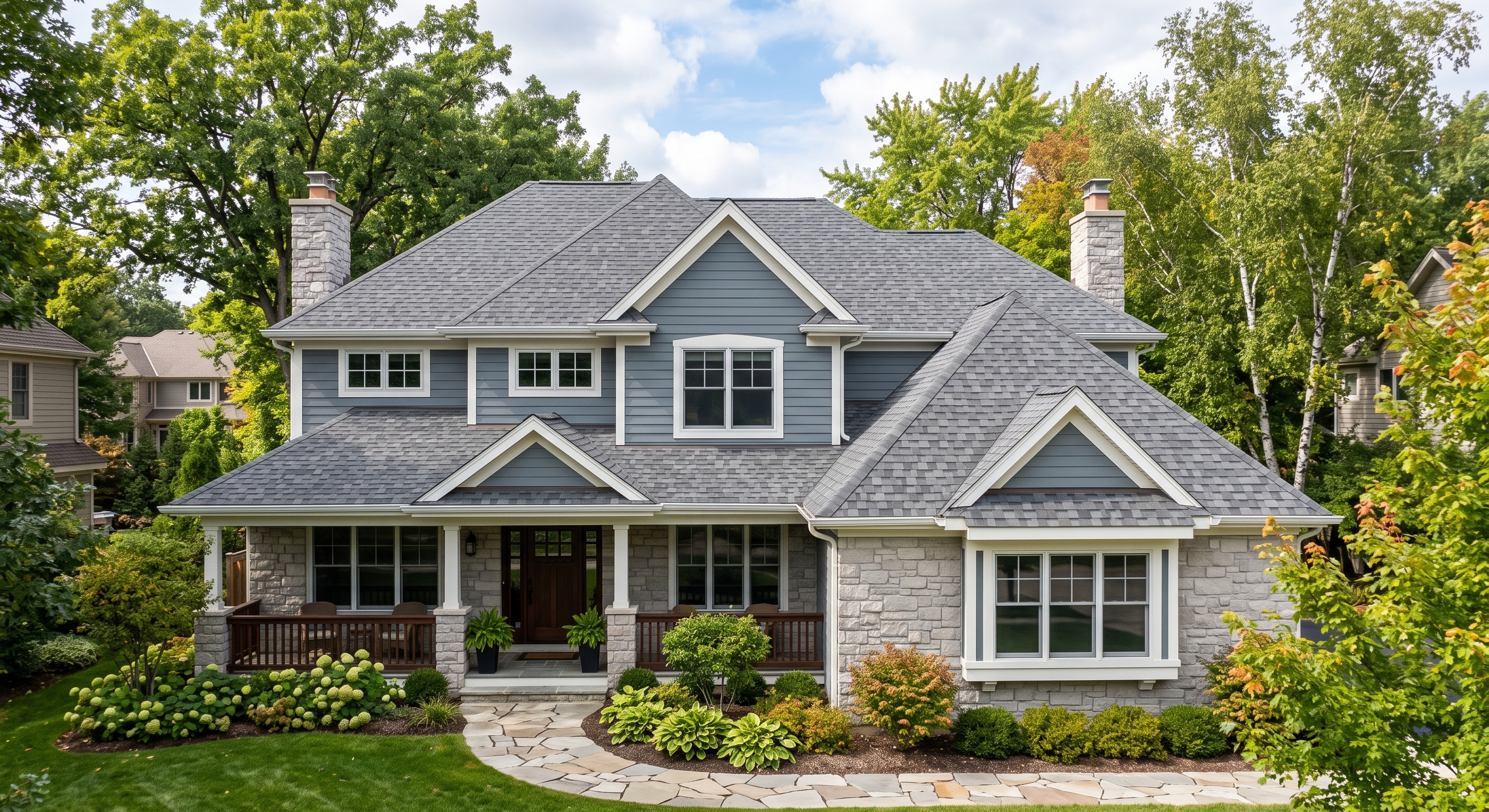
Pewter gray roof shingles give a home a clean, balanced look that works with many exterior styles, from classic brick to modern siding. They sit between light and dark gray, offering enough depth to define the roofline without making the home feel heavy. If you want a roof color that is versatile, practical, and easy to coordinate, pewter gray is one of the safest and most attractive options to consider.
Why are pewter gray roof shingles so popular?
Pewter gray roof shingles are popular because they blend curb appeal with flexibility. The color has a soft, neutral character that pairs well with white, cream, tan, blue, green, charcoal, and brick exteriors, so homeowners can update siding, trim, or shutters later without feeling locked into one palette.
Unlike bold options such as blue roof shingles, green roof shingles, or red asphalt roof shingles, pewter gray tends to age gracefully from a design standpoint. It does not rely on a trend-specific color statement. Instead, it creates a polished roof that supports the rest of the home’s exterior.
Pewter also offers a middle ground between light gray roof shingles and dark grey roof shingles. Light grey roof shingles can brighten a home, while charcoal grey roof shingles can create strong contrast. Pewter sits comfortably between the two, which is why it works well for homeowners who want dimension without an overly dramatic roof.
A balanced color for many home styles
One of the biggest benefits of pewter gray is that it adapts. On a traditional home, it feels classic and understated. On a newer build, it can look crisp and contemporary. On a cottage, farmhouse, or craftsman-style home, it gives the roof texture without competing with stone, wood, or painted trim.
Pewter gray also works especially well with brick. Red, brown, or mixed-tone brick shingles and brick siding often include warm and cool undertones. A pewter roof can bridge those tones better than stark black or very warm brown. If your home has brick, stone accents, or a multi-color façade, gray architectural shingles in a pewter shade can help pull the entire exterior together.
This is where pewter differs from more specific color choices. A golden amber roof can look warm and distinctive, but it may not coordinate with every exterior. A driftwood roof offers natural brown-gray variation, but it can lean warmer. Pewter gray keeps the look neutral while still adding depth.
Pewter gray compared with other shingle colors
Choosing a roof color is easier when you compare it to nearby options. Pewter gray is not the only attractive neutral, but it offers a blend of strengths that many homeowners appreciate.
Charcoal gaf shingles, timberline shingles charcoal, and timberline charcoal roof shingles are often chosen when a homeowner wants a deeper, stronger roof color. A charcoal shingle color can be beautiful, especially on white, light gray, or modern exteriors. However, charcoal can sometimes feel too dark on smaller homes or homes with already-dark siding.
Pewter gray offers contrast without going as deep as charcoal. It can also feel more flexible than georgetown grey roof shingles if that shade reads cooler or more specific against your siding. The best choice depends on the exact exterior materials, the amount of sunlight the roof receives, and the look you want from the street.
What should you consider before choosing pewter gray?
Before choosing pewter gray, look at your home’s fixed features: brick, stone, siding, trim, gutters, garage doors, and landscaping. Roof shingles cover a large surface, so the color needs to coordinate with everything that is not likely to change soon.
Start with undertones. Some grey roof shingles lean cool, with blue or slate notes. Others lean warmer, with taupe or brown in the blend. Pewter usually lands in the middle, but samples can look different in morning light, afternoon sun, and shade. Always compare physical samples against your exterior instead of relying only on a small digital image.
Also think about contrast. If your siding is pale, pewter can add definition without the intensity of charcoal roof shingles. If your siding is dark, light gray roof shingles may create more separation, while pewter may deliver a softer tone-on-tone look. Neither is automatically better; the right option depends on whether you want the roof to stand out or blend in.
Practical benefits beyond appearance
Color is the first thing most people notice, but pewter gray has practical design benefits too. Because it is a mid-tone, it can help disguise normal dust, pollen, and minor color variation better than very light or very dark shingles. It also tends to complement common exterior updates, which is useful if you plan to repaint or refresh trim later.
Many homeowners choose gray architectural shingles because their layered appearance adds shadow and dimension. This can make the roof look more substantial than a flat, single-tone surface. Products such as timberline shingles and hdz shingles are often discussed in this category, though exact appearance, shingle dimensions, and availability vary by manufacturer and product line.
When comparing options, ask your contractor or supplier about shingle size, profile, warranty terms, ventilation needs, and installation requirements. Shingle dimensions are not just a design detail; they affect layout, coverage, and how the finished roof pattern appears. A larger or more dimensional profile may create a different visual effect than a flatter shingle in the same color family.
Design tips for a cohesive exterior
A pewter gray roof gives you a flexible foundation, but the best results come from coordinating the full exterior. Use the roof as one part of a complete palette rather than choosing it in isolation.
Consider these practical pairings:
- White or cream siding: Pewter creates gentle contrast and feels softer than dark grey roof shingles.
- Red brick or mixed brick: Pewter can balance warm masonry without clashing.
- Blue or blue-gray siding: Pewter supports the cool palette better than dark brown roof shingles.
- Sage, olive, or muted green siding: Pewter is usually easier to coordinate than green roof shingles or green architectural shingles.
- Tan or beige siding: Pewter adds a cooler counterpoint, while a driftwood roof or golden amber roof creates a warmer look.
- Modern black accents: Pewter works with black windows, railings, and gutters without making the entire exterior too dark.
If you are also considering blue asphalt roof shingles, red asphalt roof shingles, or blue asphalt shingles, use them intentionally. These colors can look excellent on the right home, but they are more style-specific. Pewter gray is often the better choice when long-term flexibility matters.
A smart choice for lasting curb appeal
Pewter gray roof shingles are a strong option for homeowners who want a roof that looks refined, coordinates easily, and supports a wide range of exterior styles. They offer more depth than light grey roof shingles, a softer feel than charcoal grey roof shingles, and broader versatility than bold color choices.
Before making a final decision, view full-size samples outdoors and compare them with your siding, trim, brick, and landscape colors. Whether you are deciding between pewter, weathered grey shingles, timberline shingles, or a deeper charcoal option, the best roof color is the one that makes the whole home feel intentional. Pewter gray does that beautifully for many homes, which is why it remains such a dependable and appealing choice.