

A Homeowner's Guide to Navigating Exterior Roof and Siding Insurance Claims
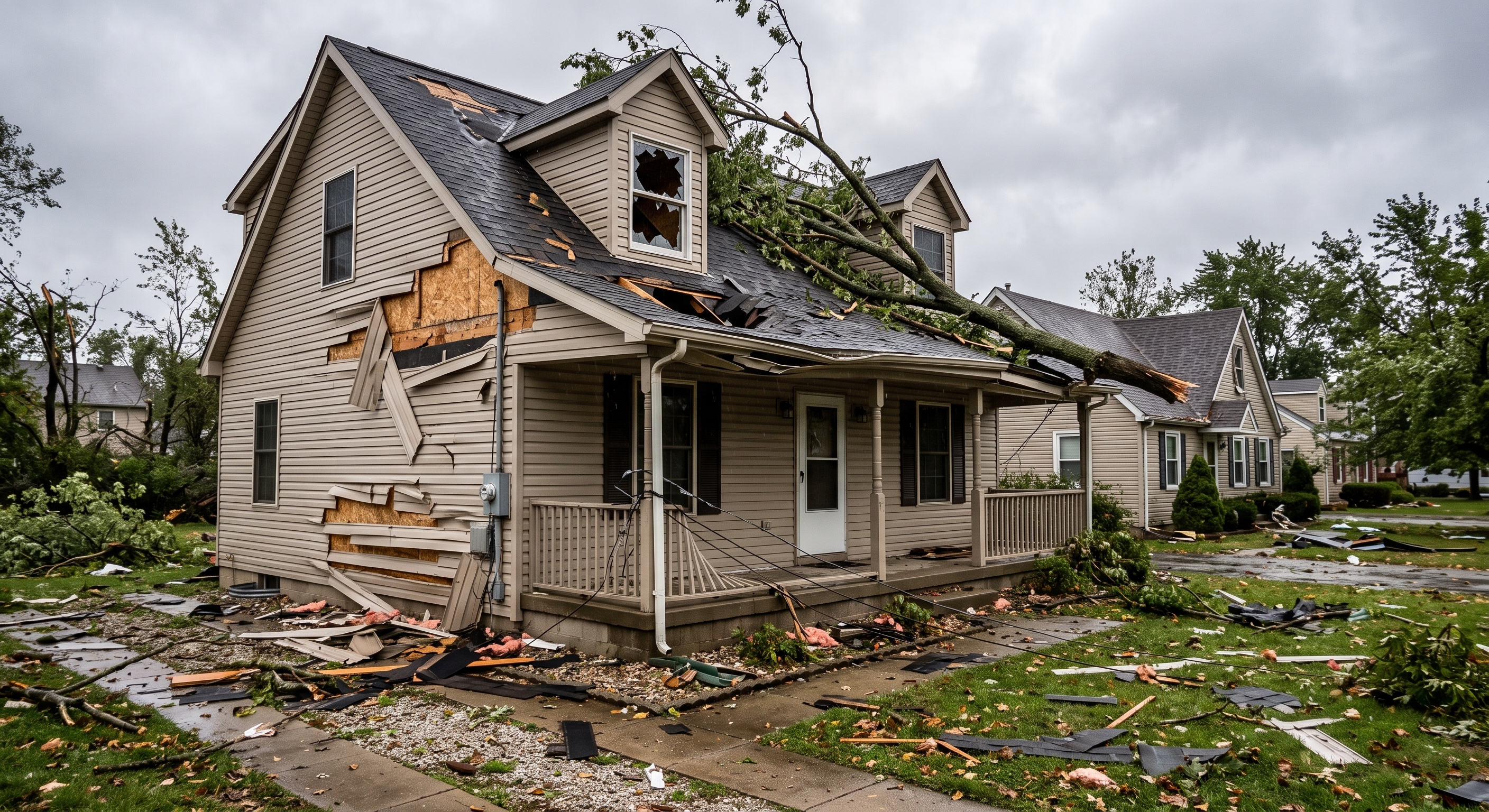

Filing an insurance claim for storm damage exterior repairs can feel overwhelming, especially when you're dealing with visible damage and an unfamiliar process at the same time. Understanding how the claims process actually works, and where homeowners commonly run into trouble, can make the difference between a smooth claim and a frustrating, drawn-out one.
Step 1: Document the Damage Immediately
Before anything else, document what you're seeing. Take photos and video of visible damage to your roof, siding, gutters, and any affected areas of the home's exterior, from multiple angles and distances. Note the date of the storm and any specific weather event, like hail or high wind, that caused the damage.
This documentation matters even before you file a claim, since insurance companies often reference storm data for your area, and having your own record supports your case if there's ever a discrepancy.
Step 2: Get a Professional Damage Assessment First
Before calling your insurance company, it's worth having a qualified contractor conduct a hail damage assessment or general storm damage inspection. This accomplishes two things: it gives you an accurate picture of the actual damage, including issues not visible from the ground, and it means you're filing a claim with real information instead of guessing at the scope.
Many roofing and siding contractors offer free storm damage inspections specifically for this purpose, without any obligation tied to filing a claim.
Step 3: File Your Claim Promptly
Most insurance policies have a window for filing storm damage claims, and waiting too long can complicate the process or even affect coverage. Once you've documented the damage and have a professional assessment in hand, file your claim as soon as reasonably possible.
Have the following ready when you file:
- Your policy number and coverage details
- Photos and documentation of the damage
- The date of the storm event
- Contractor assessment notes, if available
Step 4: Prepare for the Adjuster Visit
Your insurance company will send an adjuster to assess the damage independently. This is a critical step, and it's often where claims go sideways if homeowners aren't prepared.
Consider having your contractor present. A contractor familiar with insurance claim roof repair processes can point out damage the adjuster might otherwise miss, particularly less obvious signs like hail bruising or wind-lifted shingle seals that aren't dramatic to look at but do affect the roof's integrity.
Don't assume the first assessment is final. Adjusters sometimes miss damage, especially in hard-to-access areas. If your contractor's assessment differs meaningfully from the adjuster's report, you have the right to request a re-inspection or provide supplemental documentation.
Step 5: Understand Your Settlement Offer
Insurance settlements for storm damage siding replacement or roof repair typically come in one of two forms:
Actual Cash Value (ACV): Reimburses the depreciated value of the damaged material, accounting for its age and wear.
Replacement Cost Value (RCV): Reimburses the full cost to replace the damaged material with new, similar material, sometimes paid in two installments, an initial ACV payment followed by the remaining amount once the work is completed.
Review your policy to understand which type of coverage applies, since this significantly affects your out-of-pocket costs.
Common Mistakes That Delay or Reduce Claims
Waiting too long to file. Delayed claims can raise questions about whether damage is storm-related or pre-existing wear.
Not documenting damage before repairs begin. Always photograph damage before any temporary or permanent repairs are made.
Accepting the first offer without question. If the settlement doesn't align with a professional contractor assessment, it's worth requesting clarification or a re-inspection rather than assuming the initial number is final.
Using a contractor unfamiliar with insurance processes. Contractors experienced in insurance claim roof repair know how to document damage in the language and detail adjusters and insurers expect, which can smooth the entire process.
What a Contractor Can and Can't Do in the Claims Process
A reputable contractor can provide a damage assessment, help document the scope of repairs, and be present during the adjuster meeting to point out damage. What a contractor should never do is inflate damage estimates or encourage you to file a claim for pre-existing wear rather than genuine storm damage. Be cautious of any contractor pushing you toward the claims process before doing an honest, independent assessment first.
Frequently Asked Questions
How long do I have to file a storm damage insurance claim?
This varies by insurer and policy, but many companies expect claims filed within a specific window after the storm, sometimes as short as a year. Check your policy directly or ask your insurance agent for your specific timeline.
Should I get a contractor's assessment before or after filing a claim?
Getting a professional assessment before filing gives you accurate documentation to support your claim and helps ensure you're not missing damage that isn't visible from the ground.
What's the difference between actual cash value and replacement cost coverage?
Actual cash value reimburses the depreciated value of damaged materials, while replacement cost value covers the full cost of new materials. Replacement cost coverage generally results in a higher payout but may require completing repairs before receiving the final payment.
Can an insurance adjuster miss roof or siding damage?
Yes, particularly damage that isn't visible from the ground or that requires specialized knowledge to identify, like hail bruising on shingles. Having a contractor present during the adjuster visit helps ensure the full scope of damage is documented.
Get a Professional Assessment Before You File
Navigating a storm damage claim is easier with an accurate, professional assessment in hand from the start. We work with homeowners throughout the claims process, from initial inspection through adjuster meetings, to help ensure the full scope of damage gets addressed.
Dealing with storm damage? Contact Volpe Enterprises to get assistance with your storm damage repair.