

5 Hidden Signs of Roof Leak Damage You Can't See from the Ground
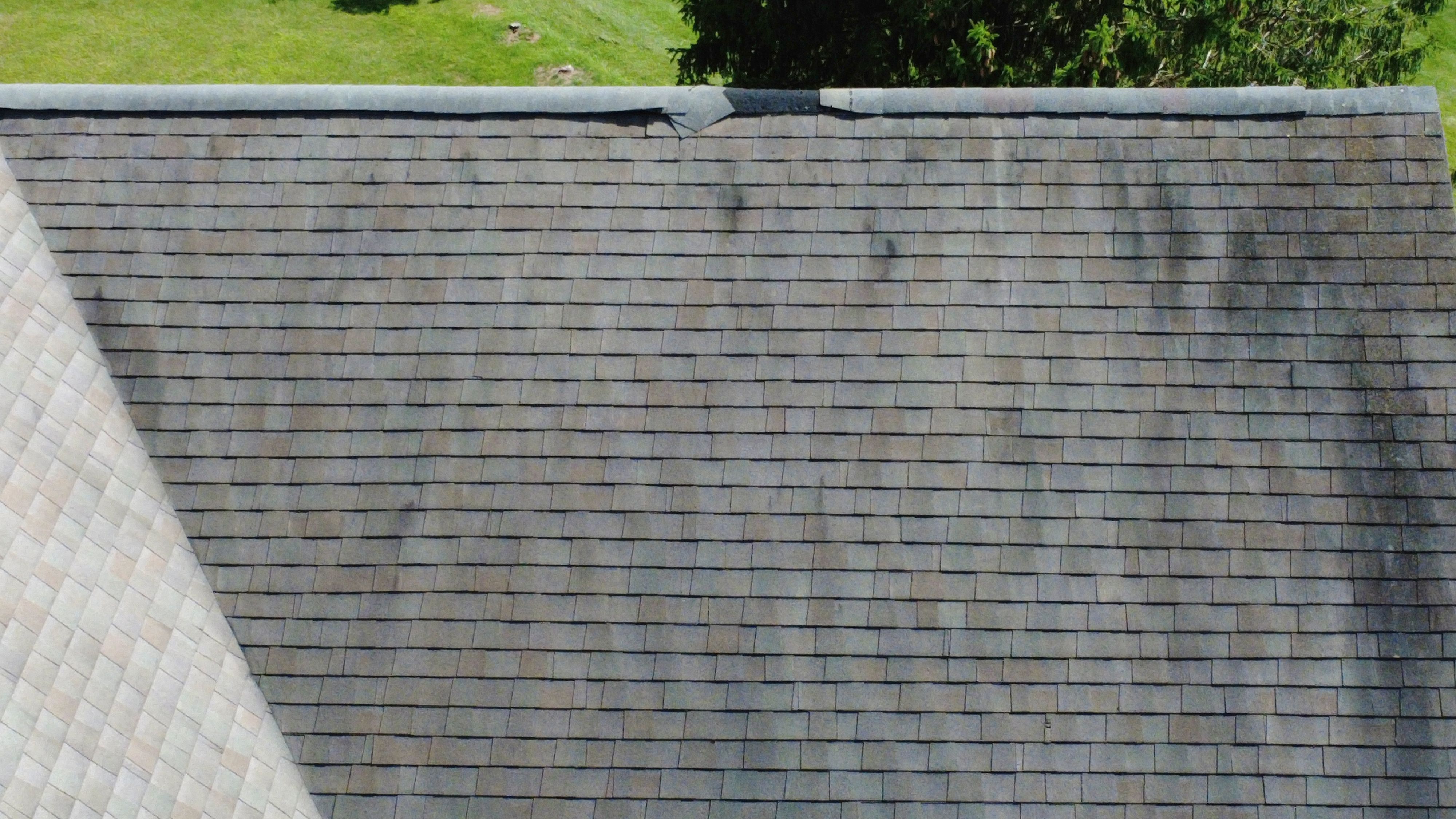

By the time a leak is dripping through your ceiling, the damage has usually been building for a while. Roofs are designed to fail slowly and quietly at first, which means the most telling warning signs often aren't visible from your front yard. Here are five hidden signs of roof leak damage worth checking for, especially after a storm, and what they typically mean.
1. Attic Insulation That's Damp or Compressed
Wet insulation is one of the clearest early indicators of a roof leak, and it's almost never visible unless you go up and look. Water-saturated insulation loses its ability to insulate effectively and can also promote mold growth. If you haven't been in your attic recently, a post-storm check is worth the ten minutes it takes.
2. Dark Streaks or Rust Around Roof Penetrations
Vent pipes, chimneys, and skylights are common leak points because they rely on flashing to stay sealed. From the ground, minor rust or lifted flashing around these penetrations is nearly impossible to spot. From the attic, dark streaking or staining radiating from these points is a strong sign water has already found a way in.
3. Soft or Spongy Roof Decking
Walking a roof isn't something most homeowners do, and for good reason, but a soft or spongy feel underfoot during a professional inspection often means the decking beneath the shingles has absorbed water over time. This kind of damage doesn't show up as a visible leak until it's fairly advanced.
4. Granule Buildup Concentrated in One Area
Some granule loss in gutters is normal as a roof ages. But heavy granule buildup concentrated near one section, rather than spread evenly, often points to localized damage, like impact from hail or debris, that's accelerating wear in that specific spot.
5. Musty Odors Without a Visible Source
A musty or damp smell in an upper-floor room or closet, without any obvious water stain, is frequently one of the first signs of a slow leak. Moisture trapped behind drywall or insulation can take time to show up visually, but the smell often shows up first.
Why These Signs Matter More After a Storm
Storm damage roof inspection needs tend to spike after high wind, hail, or heavy rain events, and for good reason. Wind can lift shingles just enough to create a gap without fully detaching them. Hail can bruise shingles in ways that aren't visible until the granule layer breaks down further. Hail damage roof replacement is sometimes needed even when a roof looks intact from a quick glance, which is exactly why a professional storm inspection matters more than a visual check from the driveway.
What to Do If You Suspect a Hidden Leak
If you've noticed any of these signs, or you've been through a recent storm and haven't had your roof checked, here's the right sequence:
- Check your attic for dampness, staining, or daylight coming through the decking, if it's safely accessible.
- Document what you see, including photos, in case you need it for an insurance claim later.
- Avoid walking on the roof yourself, especially after storm damage, since compromised decking can be a safety risk.
- Request a professional roof leak repair contractor inspection as soon as possible. Hidden leaks don't resolve on their own, and the longer water sits, the more expensive the repair typically becomes.
Frequently Asked Questions
How do I know if I have a roof leak I can't see?
Signs of a hidden roof leak include musty odors, damp or compressed attic insulation, dark staining around vents or chimneys, and soft spots in the roof decking. A professional inspection is the most reliable way to confirm a leak that isn't visibly dripping yet.
Does hail damage always require a full roof replacement?
Not always. Minor hail damage can sometimes be repaired, but widespread bruising or granule loss across the roof often means a replacement is more cost-effective than repeated repairs. A storm damage roof inspection can determine which applies to your roof.
How soon after a storm should I get my roof inspected?
It's best to schedule a roof inspection within a few days of a significant storm, especially after hail or high wind. Early detection of storm damage can also matter for insurance claim timelines.
What's considered an emergency roof repair?
An emergency roof repair typically applies to active leaks, missing sections of roofing exposing the interior of the home, or storm damage severe enough to compromise the roof's structural integrity. These situations call for prompt attention rather than routine scheduling.
Suspect a Leak? Don't Wait to Find Out
Hidden roof damage rarely stays hidden for long, and catching it early is almost always less costly than waiting for a visible leak to appear. If you've had recent storms come through or you're noticing any of the signs above, it's worth getting a professional set of eyes on your roof.
Suspect a leak after recent storms? Request a roof estimate. Call (610) 539-6730 or visit govolpe.com to schedule yours.